What is the R Value of Spray Foam?

Understanding R-Values

For starters, R-Value is the resistance value. What this means is if you put a heat source (sun and radiant heat from outside home) on one side of a chamber and 1 inch insulation on the other side, then R-Value is the resistance to the heat saturation to the other side of that chamber. Simply put, R-Value is the way that professionals and customers have some sort of “apples to apples” to compare when discussing which foam is right for them.

There Are Two Types of Spray Foam: Open-Cell and Closed-Cell

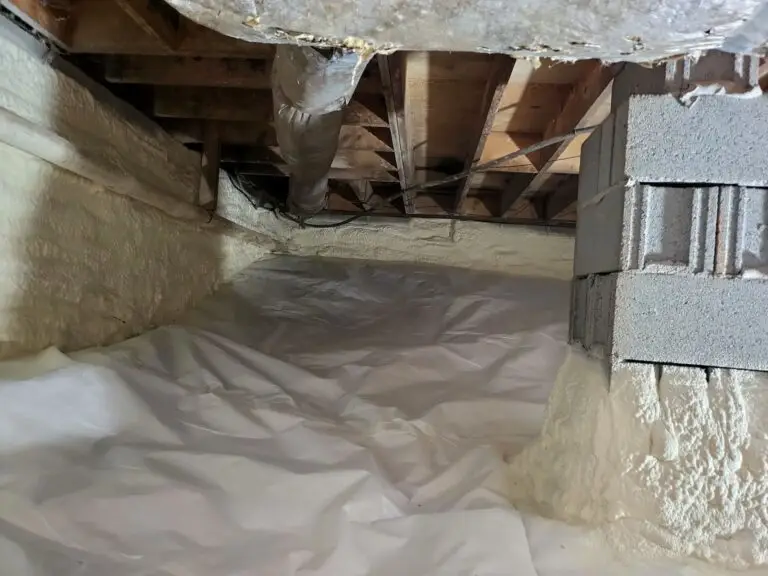
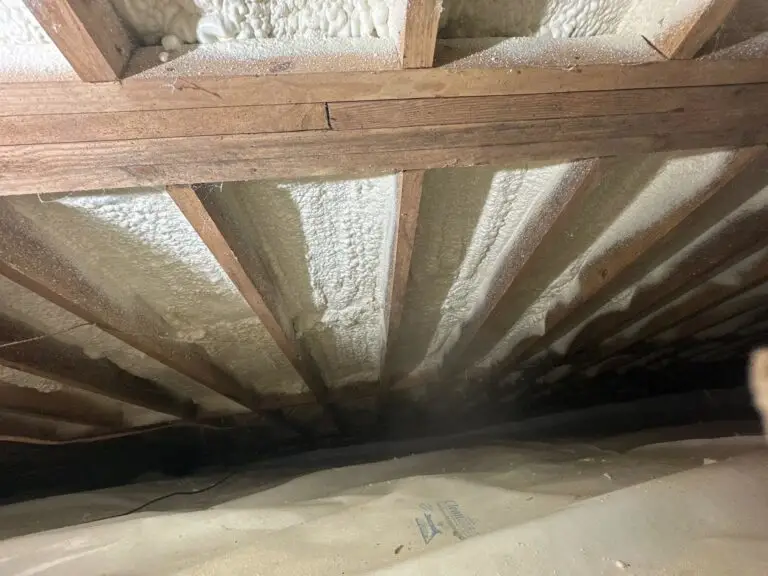
Open-cell spray foam is commonly used in ceilings, walls, and roofs because it has a low density, expands easily, and proper R-value’s can be achieved for about half the price of closed cell foam. Closed-Cell spray foam is more dense and provides a better air barrier and is more resistant to moisture. Professional insulation contractors will typically apply it in crawlspaces, basements and metal buildings.

R-Values by Region

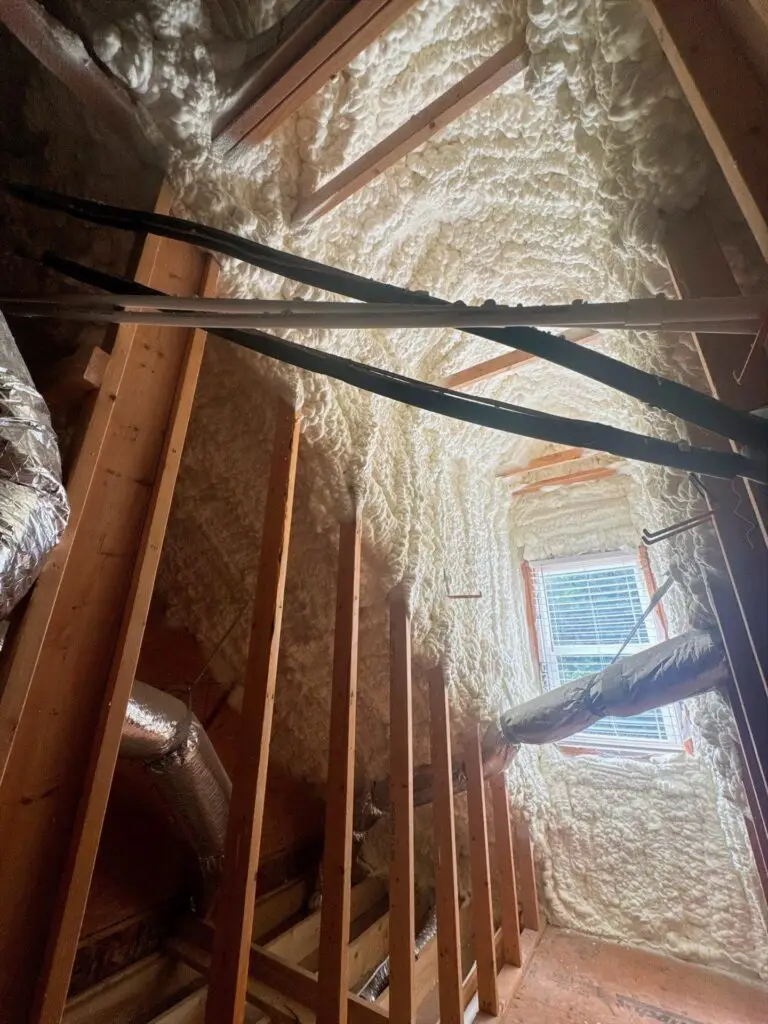
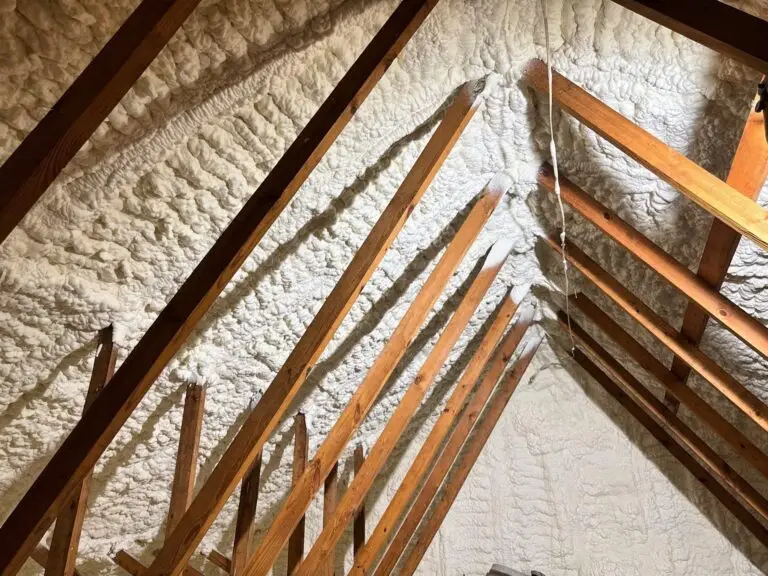
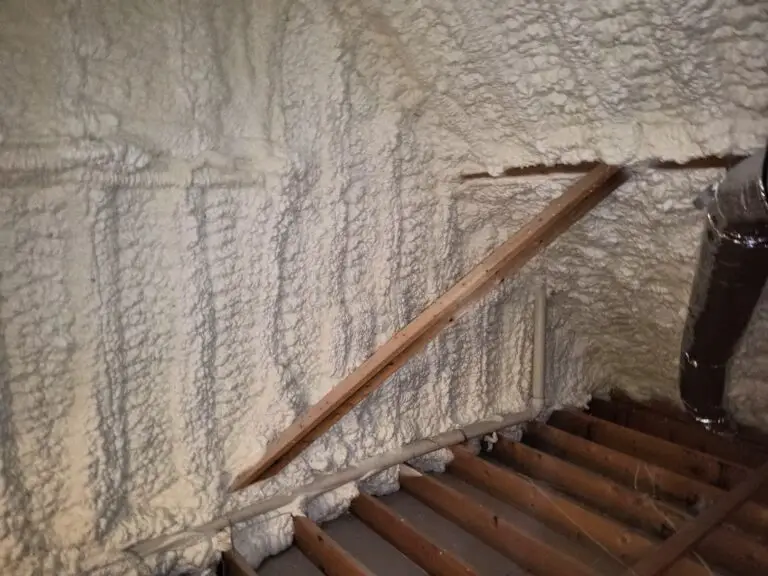
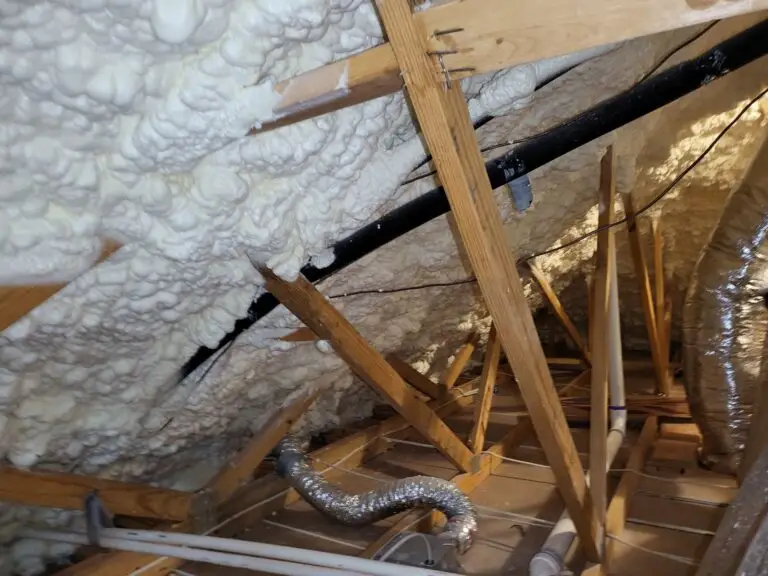
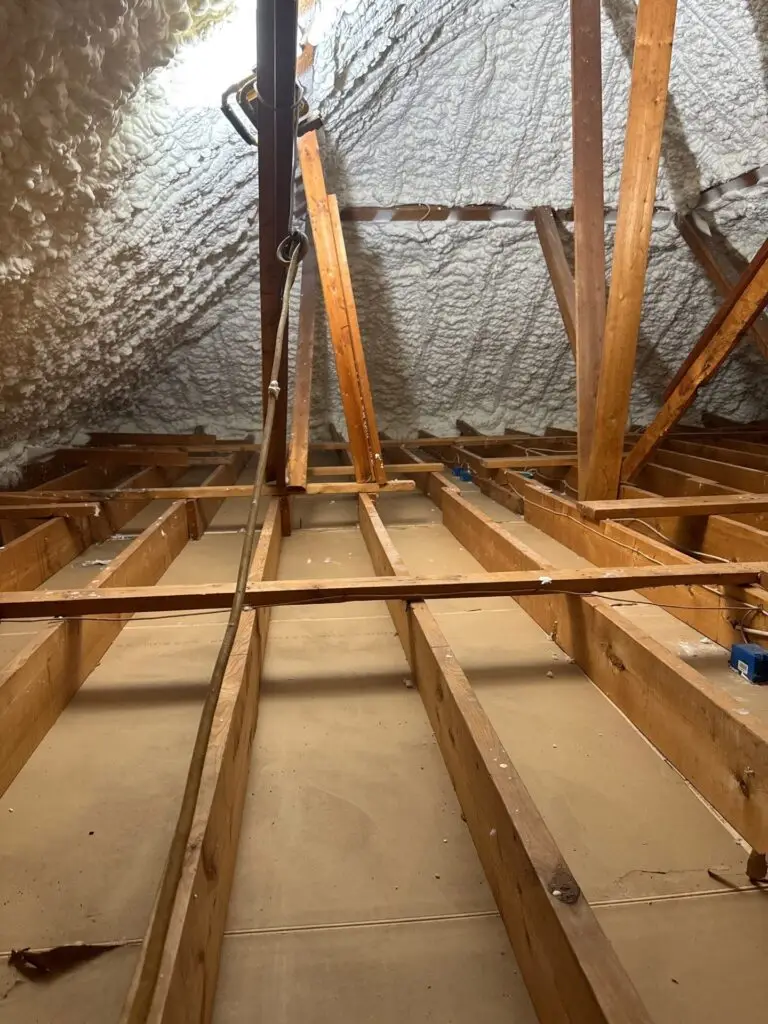
The R-Value required in your home is different depending on how it is applied, what material is used, and what climate zone you live in. Here in Georgia, around Atlanta and north we are in climate zone 3. As you get into north Georgia, we transition to climate zone 4. Code requires an R-Value of R-13 in the wall and R-38 in a ventilated attic using Fiberglass. In climate zone 4 an R-49 of Fiberglass is required to be installed on the attic floor. Insulating with spray foam moves you to a different application of technology. An encapsulated attic is and unvented attic system. The spray foam is installed against the roof deck with code requiring it to be R-20. Code recognizes the performance of spray foam in an unventilated attic system is much greater than fiberglass. This is the reason spray foam in a roof deck only needs to be an R-20 in both climate zone 3 and 4.

The R-Value of 1 inch of open-cell spray foam is about an R-3.4 per inch, while 1 inch of closed-cell spray foam is around an R-7.1 per inch. Remember, closed-cell is much more dense!

Insulating a roof deck with R-20 spray foam exceeds the performance of R-38 so much so, that even in climate zones where R-49 is required, it also exceeds the performance factor there. The reason for this is because of how the spray foam is applied and the technology that is applied. Meaning? You’re migrating your home from a ventilated attic to an unventilated attic using spray foam only at an R-20 and eliminating things like ridge vents, passive vents, and power vents.

Why Does an Unventilated Attic Matter?

When you encapsulate an attic you stop the stack effect, and the stack effect is what puts a negative pressure on your home. A stack effect is when your attic heats up, as it’s traditionally designed, and as air rushes out of your vents in your attic it has to be replaced. Typically the air comes in from the soffits, but soffits are rarely sized correctly, get clogged by debris and painted over as time goes on. The net free area of your soffit vent becomes reduced. Even on new homes, soffits are typically not balanced properly and won’t provide the right amount of air flow. Here in Georgia, we heat up so quickly on the average day that the attic heats up and very quickly begins to pull a negative pressure on the house. (aka the stack effect). As air is rushing up and out, you now have make-up air being pulled in from every penetration, window, door throughout main level of home and basement as well. For homes that are on a crawl space it means that the air from crawl space is being pulled into the home. A large percentage of the air in a home, because of the stack effect, is now air from the crawl space. By properly insulating your home, you are decreasing the loss of air from your home while also improving the air quality inside of it!

attic encapsulation

How To Tell When It’s Time To Replace or Upgrade Your Attic Insulation

Is your home too hot in the summer, freezing in the winter, or just not as comfortable as it should be? If you live in Metro Atlanta, you’re definitely not alone. Many houses in our area have outdated attic insulation that simply isn’t up to the task anymore. Whether it’s energy bills that keep creeping higher or you’re noticing uncomfortable

Read More
crawlspace spray foam 2

Crawl Space Encapsulation: Costs, Benefits, and What To Expect in Georgia

If you’re a homeowner in the Metro Atlanta area, you know how Georgia’s humidity can sneak into every corner of your home, including your crawl space. Maybe you’ve noticed musty odors, uneven temperatures, or even nagging allergy symptoms and wondered if there’s a better solution.  Crawl space encapsulation is one path to a cleaner, more comfortable, and energy-efficient home, but

Read More
spray foam attic

Spray Foam vs. Blown-In Fiberglass: Which Insulation Is Right for Your Attic?

Spray Foam vs. Blown-In Fiberglass: Which Insulation Is Right for Your Attic? When you’re looking to make your Georgia home more comfortable and energy efficient, few upgrades rival the impact of proper attic insulation. If you’re like many homeowners around Canton, Woodstock, and the Metro Atlanta area, chances are you’ve narrowed your choices to spray foam or blown-in fiberglass insulation. 

Read More
Top Tips for Improving Your Home’s Energy Efficiency

Top Tips for Improving Your Home’s Energy Efficiency

When it comes to creating a more energy-efficient home, every detail matters. At Epic Spray Foam, we know that insulation plays a major role in reducing energy waste, but it’s just one piece of the puzzle. Whether you’re battling hot Georgia summers or frigid winter nights, these practical tips can help you improve comfort, lower your utility bills, and make

Read More
crawlspace spray foam

Insulating Your Crawl Space: A Smart Way to Boost Energy Efficiency in Georgia Homes

When most Metro Atlanta homeowners think about improving energy efficiency, they often focus on upgrading windows, sealing doors, or adding attic insulation. But there’s one crucial area that frequently gets overlooked: the crawl space. If your Georgia home has a crawl space and it’s not properly insulated, you could be losing a significant amount of energy every single day. The

Read More
attic spray foam

Disadvantages of Spray Foam Insulation

Spray foam insulation is renowned for its superior energy efficiency, air sealing capabilities, and long-term durability. At Epic Spray Foam, we recommend it in many types of projects, from new builds to attic spaces, and even large commercial properties.  But like any building material, spray foam insulation has its considerations. Let’s look at some of the potential downsides and situations

Read More
do insulation installers remove old insulation 2

Do Insulation Installers Remove Old Insulation?

If you’re considering an upgrade to your home’s insulation, you’re probably wondering, do insulation installers remove old insulation first? The answer? It depends! Sometimes it’s necessary, sometimes it’s not. Knowing the difference can help you make the best decision for your home and budget. Let’s walk through the common reasons why old insulation might be removed, or left in place,

Read More
attic insulation

Why Summer Is the Perfect Time To Upgrade Your Home’s Insulation

When those first true warm days of spring hit Metro Atlanta, many homeowners flock outside to clean patios, plant gardens, and prepare for summer fun. But as temperatures rise, your house feels the heat too, often reminding you of comfort issues and high energy bills. This makes summer a golden opportunity to rethink your home’s insulation. If you’ve wondered whether

Read More
how to protect attic storage

How to Protect Your Attic Storage

Your attic can be a treasure trove of memories and seasonal essentials, from holiday decorations and family keepsakes to baby clothes and sentimental photo albums. But without the proper protection, extreme heat, moisture, and pests can turn this valuable space into a danger zone for your belongings. Whether you’re storing cherished heirlooms, seasonal decorations, or extra sweaters, here are smart

Read More
Spray Foam Insulation for New Homes

What is the Best Insulation for a New Construction Home?

If you’re in the process of building a new home, you already know how many decisions need to be made — from layout and flooring to fixtures and finishes. But your selections come down to so much more than your style tastes and preferences. Every choice you make lays the foundation for comfort, energy efficiency, and long-term value.  With so

Read More