If you’re a homeowner in the Metro Atlanta area, you know how Georgia’s humidity can sneak into every corner of your home, including your crawl space. Maybe you’ve noticed musty odors, uneven temperatures, or even nagging allergy symptoms and wondered if there’s a better solution.
Crawl space encapsulation is one path to a cleaner, more comfortable, and energy-efficient home, but it’s a step many find mysterious or intimidating. Let’s clear the air and break down everything you need to know about crawl space encapsulation: from costs, to insurance, to the timing that might be right for you.
What Is Crawl Space Encapsulation?
Crawl space encapsulation involves sealing the ground, walls, and sometimes the ceiling of your crawl space with heavy-duty moisture barriers, often paired with insulation and dehumidification. The goal is simple: keep out Georgia’s ground moisture, outside air, pests, and potential pollutants so your living space above stays drier, healthier, and more energy efficient.
Here in the Southeast, where humidity and temperature swings are the norm, encapsulation can be a game-changer for comfort and air quality. By protecting your crawl space you help prevent common headaches like:
- Mold and mildew growth
- Wood rot and structural damage
- High indoor humidity
- Poor air quality and allergy triggers
- Frustratingly high energy bills
How Much Should Crawl Space Encapsulation Cost in Canton and Metro Atlanta?
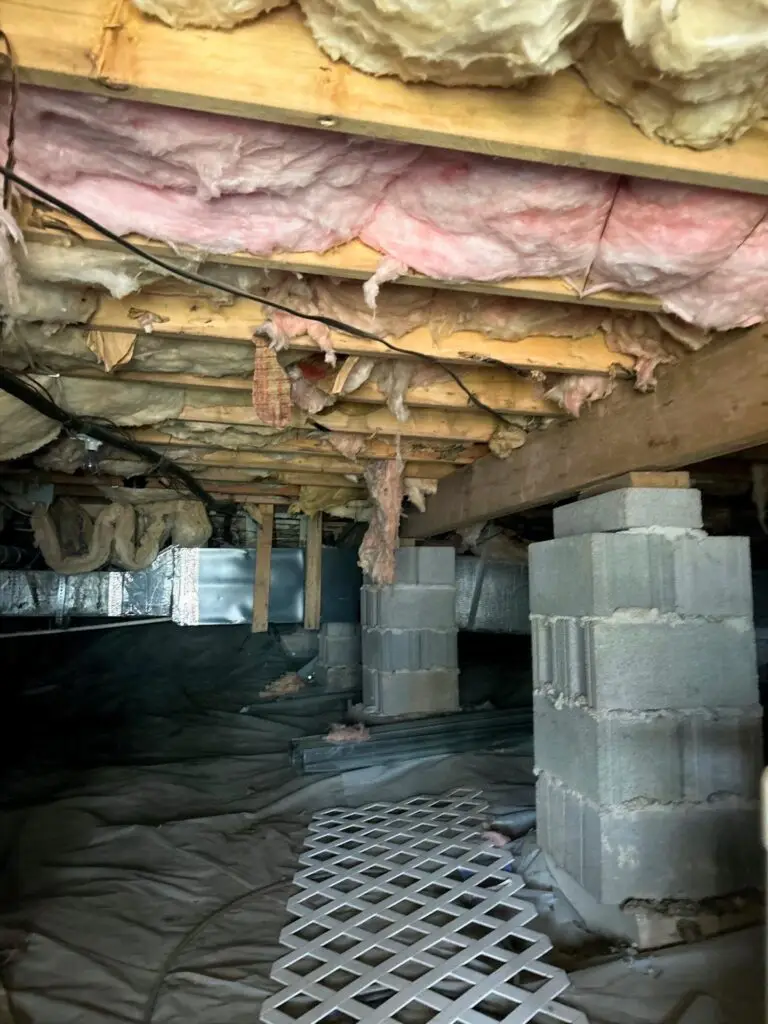
This is the first question most homeowners ask, and for good reason. The cost of crawl space encapsulation in Georgia typically ranges from $5,000 to $15,000, based on several key factors:
- Size and condition of the crawl space: Larger areas and spaces with existing moisture or structural issues take more time and materials.
- Extent of repairs needed: Mold removal, drainage solutions, and rot repairs can add to the cost.
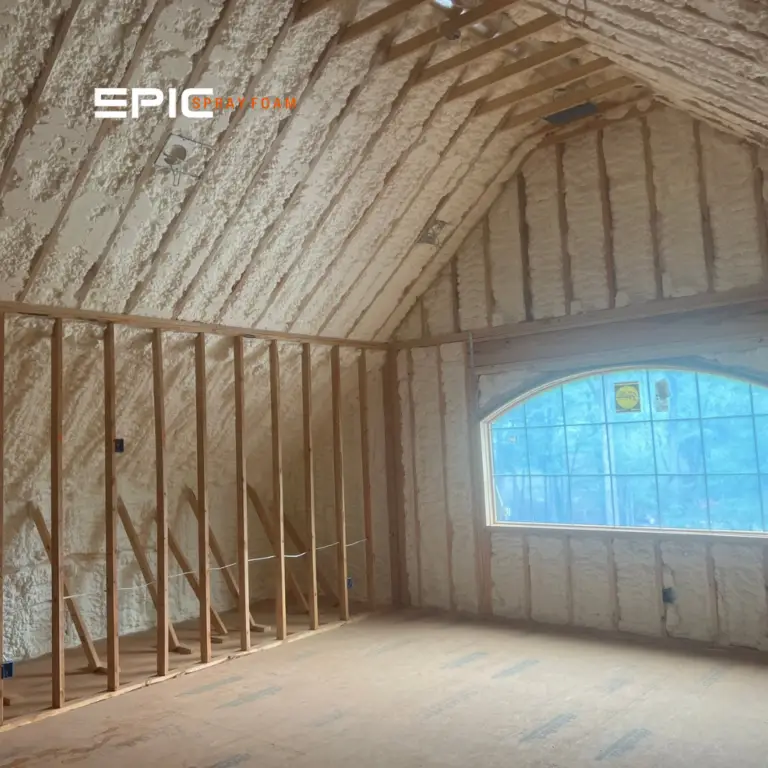
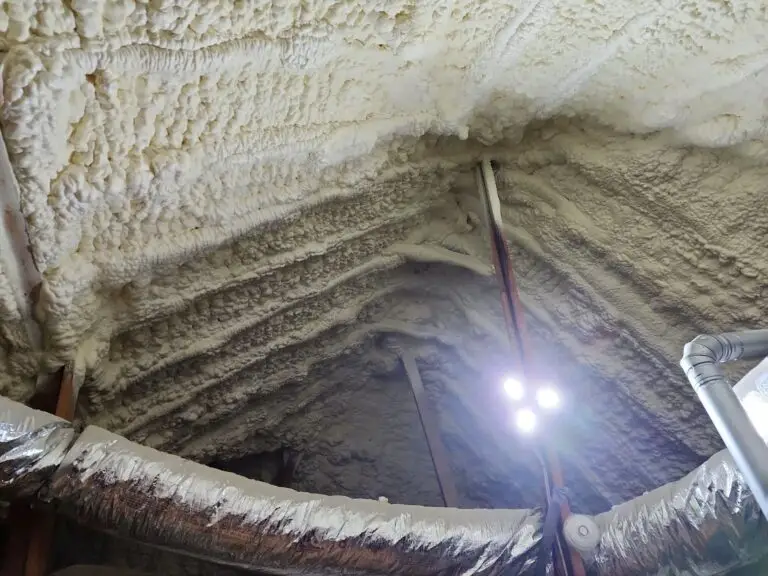
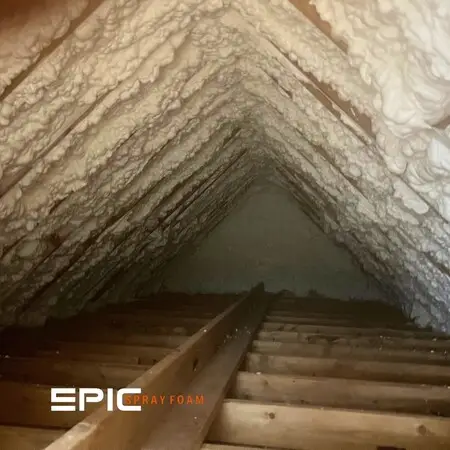
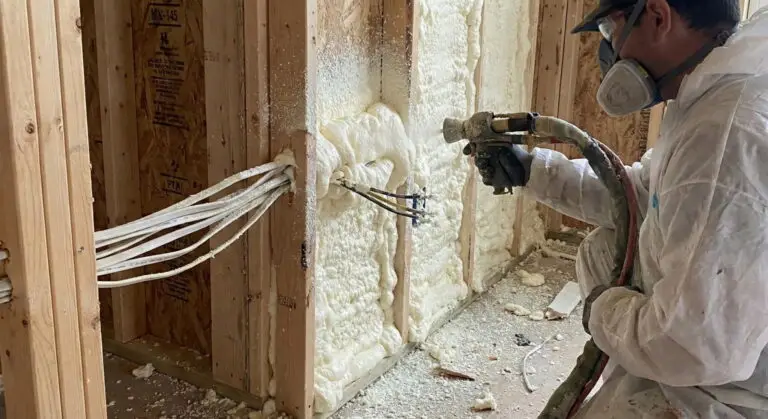
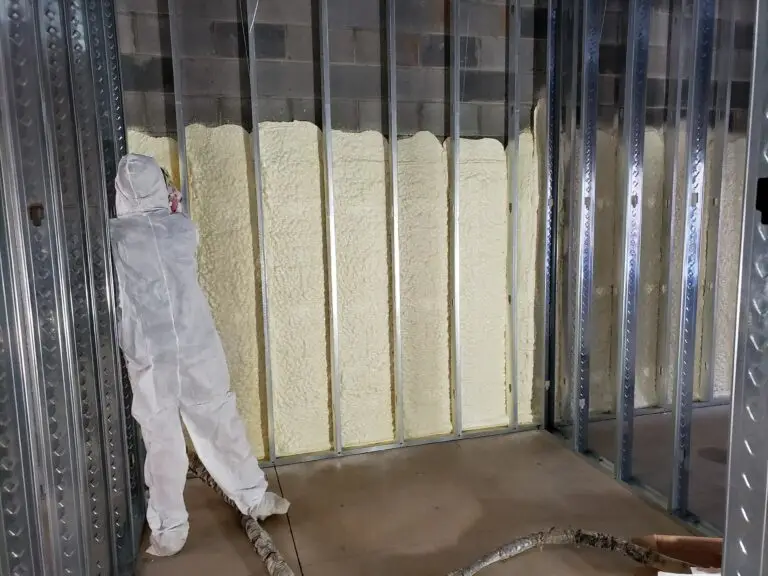
- Choice of materials: Premium vapor barriers and spray foam insulation increase both performance and investment.
- Optional add-ons: Sump pumps, drainage systems, and dedicated dehumidifiers are sometimes recommended for homes with chronic moisture issues.
For most homes, you’ll find many reputable providers offer average encapsulation projects in the $8,000–$12,000 range. While this is an investment, encapsulation often pays for itself over time through lower energy costs, less frequent repairs, and improved home value, not to mention the priceless comfort of cleaner, healthier air.
Will Homeowners Insurance Cover Crawl Space Encapsulation?
One of the most common questions we hear is whether insurance will help pay for crawl space encapsulation. Generally, standard homeowners insurance does not cover the cost of proactive encapsulation because it’s viewed as home maintenance or an upgrade to prevent future issues.
However, if your crawl space has suffered water or structural damage due to a sudden, covered peril (like a burst pipe), insurance may help with immediate repairs, but not with the encapsulation process itself. It’s always wise to review your policy and talk to your provider for specifics about your coverage and any available rider policies for additional protection.
Are There Drawbacks to Crawl Space Encapsulation?
As with any home improvement project, there are a few things to weigh before moving forward:
- Upfront cost: Encapsulation is an investment, not a quick patch fix.
- Improper installation risks: If not done right (for example, if the space is not properly sealed), you could end up with trapped moisture, leading to even bigger issues.
- Ongoing maintenance: Some encapsulated spaces need a dehumidifier, drainage checks, or annual inspections, adding minor ongoing costs.
- Not suitable for every home: Homes with extensive standing water problems or structural disrepair may need remediation before encapsulation is a safe option.
It’s important to work with a qualified professional like the team at Epic Spray Foam to evaluate your space, climate, and budget.
When Should Crawl Space Encapsulation Be Avoided?
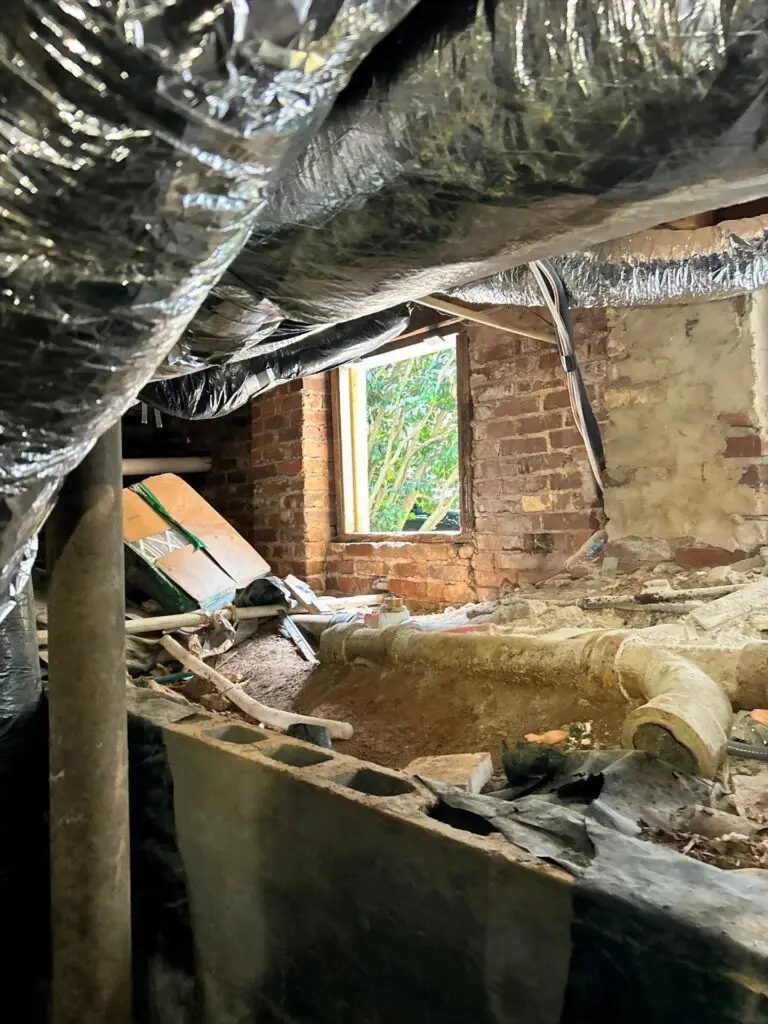
While encapsulation is beneficial for most Georgian crawl spaces, there are situations where it might not be the right solution:
- Significant standing water: If your crawl space regularly floods, you’ll need to solve that first with proper drainage before considering encapsulation.
- Extensive structural damage: Shoring up the foundation or repairing floor joists takes precedence over sealing.
- Historic homes needing ventilation: Some very old homes require vented crawl spaces due to their original construction and local codes, and encapsulation may not be recommended.
Ultimately, encapsulation is most effective when your crawl space is structurally sound and the primary enemy is moisture and poor air quality, not ongoing water intrusion or crumbling supports.
Why Homeowners Choose Epic Spray Foam
At Epic Spray Foam, we believe your home’s comfort and safety start far beneath your feet. Our team uses building science to design tailored encapsulation plans, using only top-tier materials and insulation solutions for long-term results and real peace of mind. We understand the unique needs of Georgia homes—and we’re always happy to answer your questions or provide a thorough, no-pressure assessment.
If you’re ready to take the next step towards a cleaner, healthier home, check out our crawl space encapsulation services or connect with our team to discuss your specific needs.
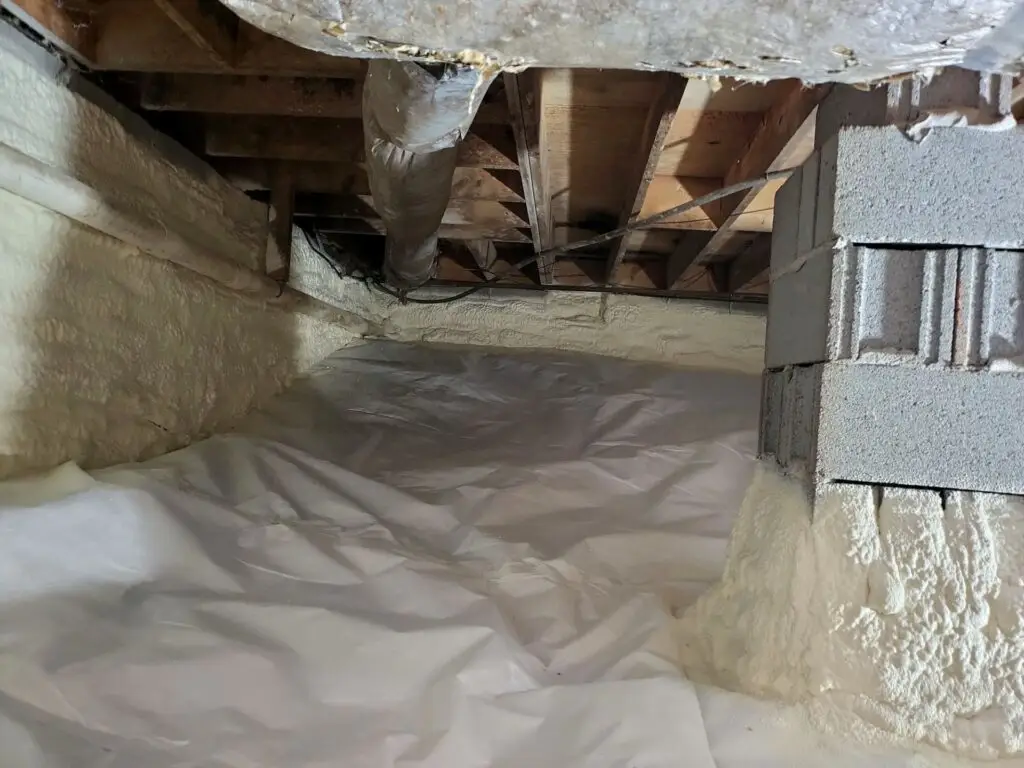
Is Crawl Space Encapsulation Worth It?
If you want to manage Georgia’s humidity, boost home comfort, and possibly save on bills, crawl space encapsulation is a smart investment that can quickly pay off. Like any home upgrade, it’s essential to partner with local professionals who understand both the science and the climate.
Don’t let uncertainty (or musty smells) linger! See how encapsulation can help you enjoy year-round comfort and peace of mind in your Georgia home.
Call (833) 362-6489 to schedule your free estimate today!