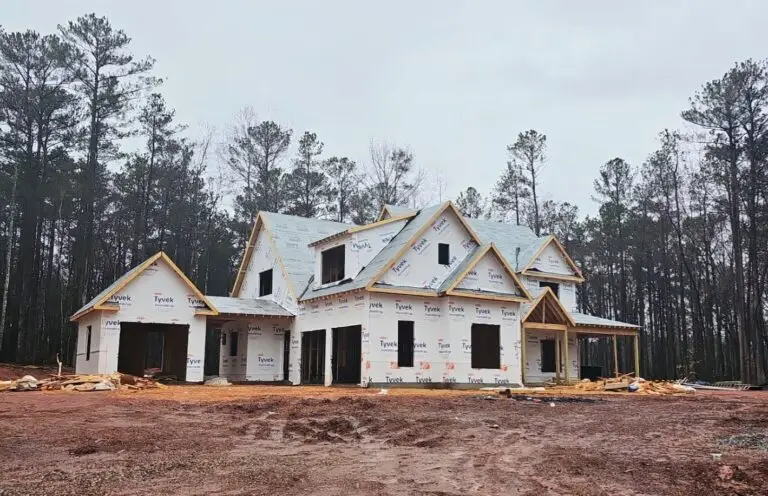
Insulation is one of the most important, yet often overlooked, aspects of a home’s structure. Acting as a protective barrier, it helps regulate indoor temperatures, reduce energy costs, and improve overall cleanliness and comfort.
Without sufficient insulation, homes are vulnerable to excessive heat loss in the winter, and an inability to stay cool in the summer, leading to skyrocketing energy bills and an uncomfortable living environment.
There are many types of insulation available, from fiberglass to spray foam to rockwool. Every option has its key characteristics and benefits, but choosing the right one for your unique home can make all the difference in efficiency and performance.
The Benefits of Proper Insulation
One of the biggest advantages of proper insulation is energy efficiency. When your home is well-insulated, it retains heat in the winter and keeps it out during the summer, keeping your HVAC system from working overtime. This translates into lower energy bills and a more sustainable household. Beyond cost savings, insulation plays a crucial role in home comfort. It prevents drafts, maintains a consistent indoor temperature, and eliminates those frustrating hot and cold spots that can make certain rooms feel unbearable.
And the benefits don’t stop there. A well-insulated home also has a lower environmental impact, since it reduces the amount of energy needed to heat or cool the space. Additionally, insulation can help with soundproofing, preventing noise from traveling from outside and between the loudest rooms in your house.
Moisture control is another key benefit—proper insulation helps prevent condensation buildup, reducing the risk of mold and mildew, which can lead to structural damage and health issues.
Exploring Different Types of Insulation
Fiberglass
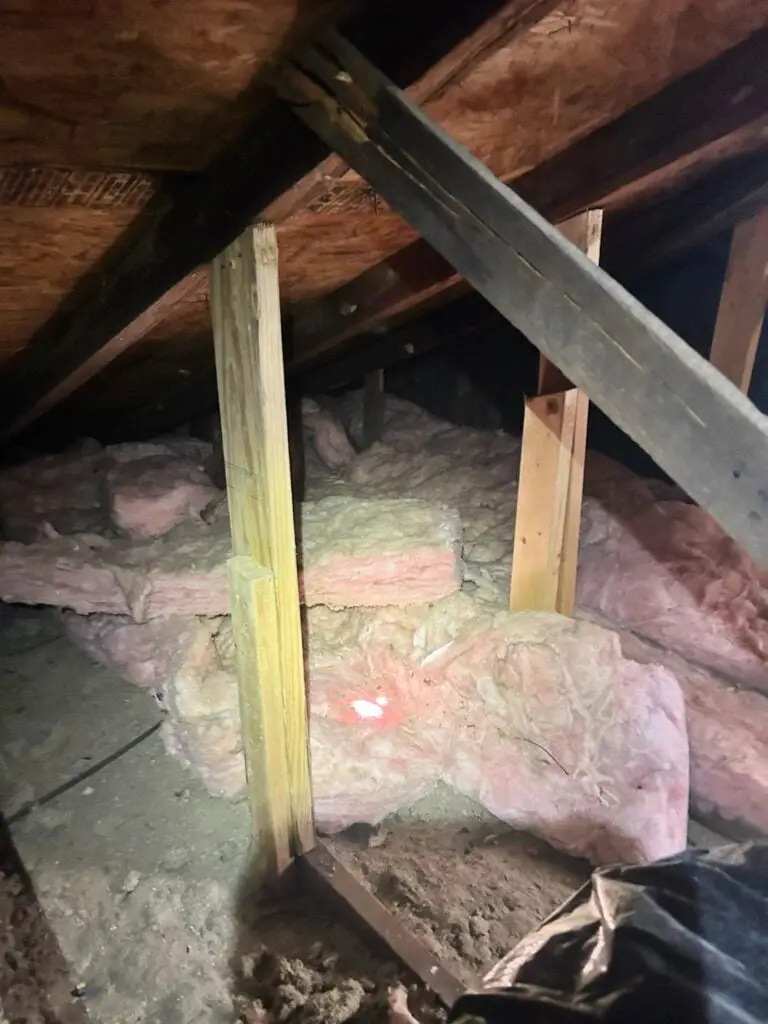
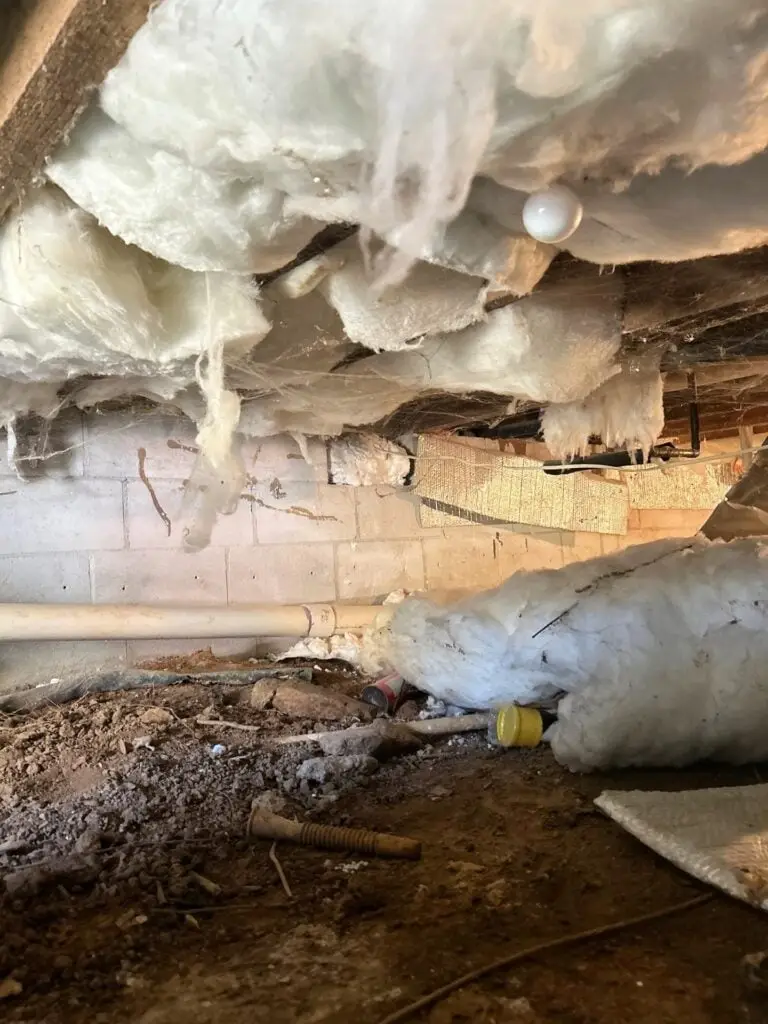
Fiberglass is affordable and widely used, but it does have a few downfalls. First, it deteriorates over time, so it has to be regularly replenished or replaced. It can also be very welcoming to pests looking to escape the elements and nest in the warm fiberglass batts.
Spray Foam
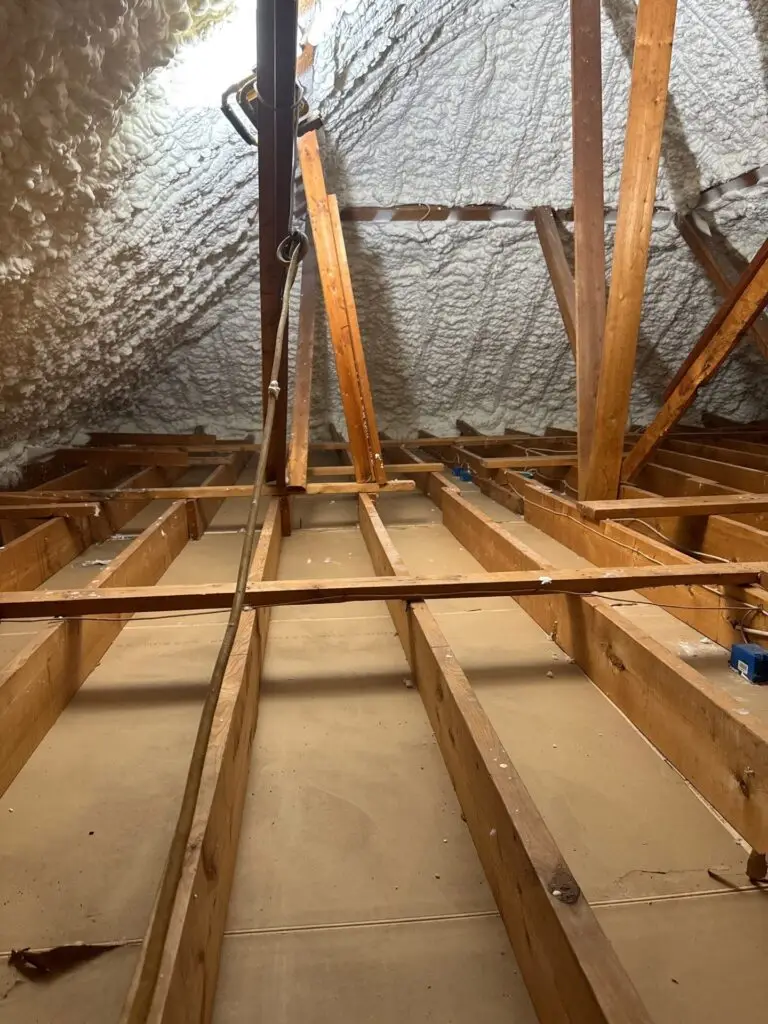
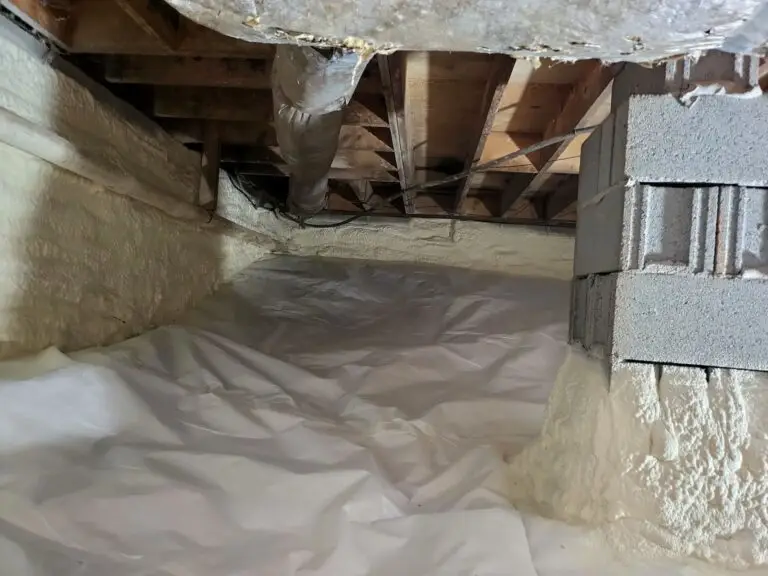
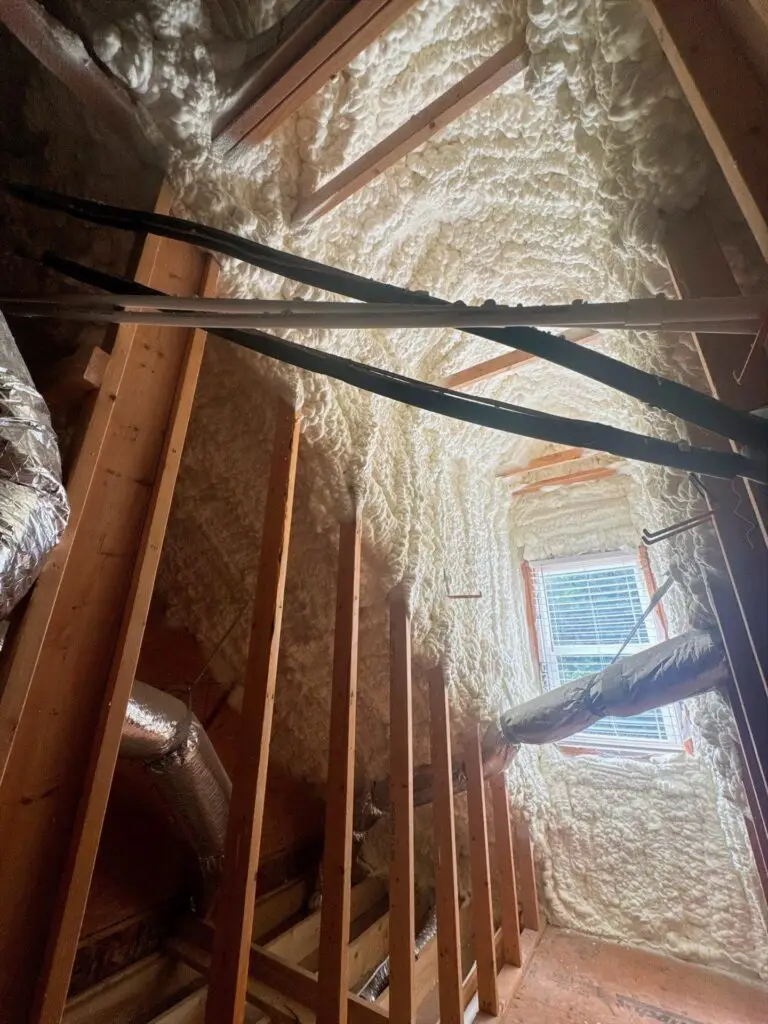
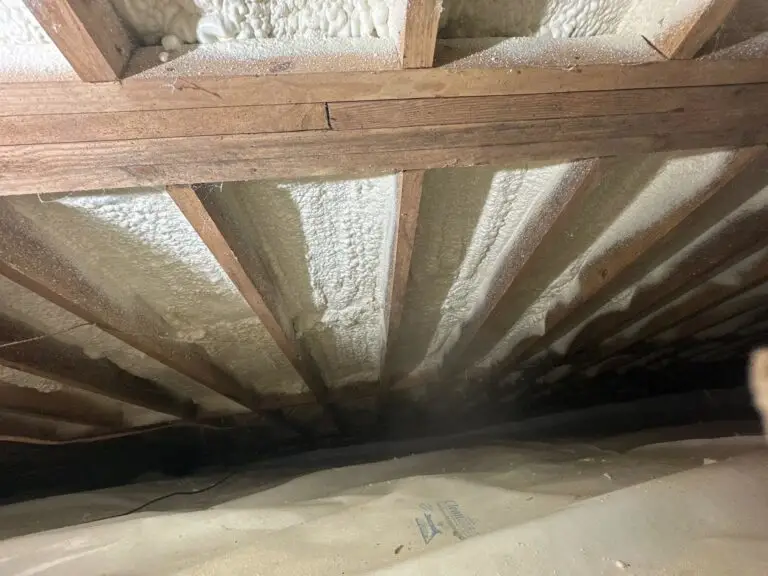
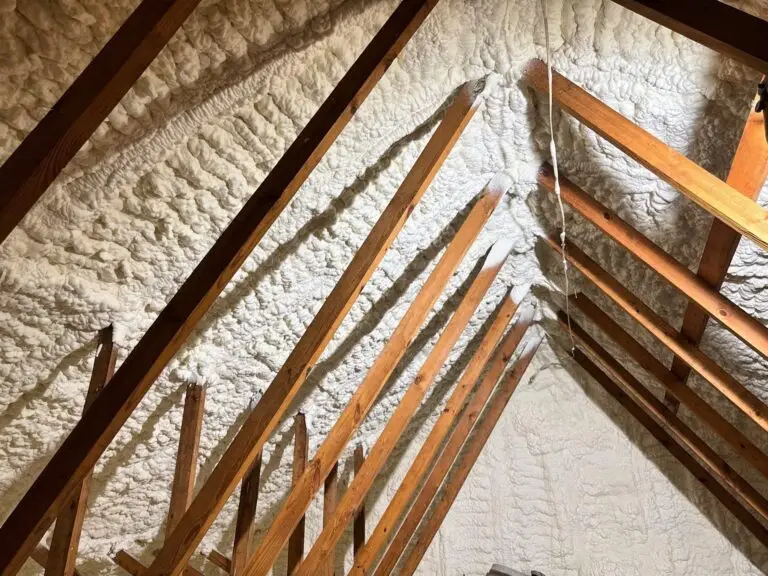
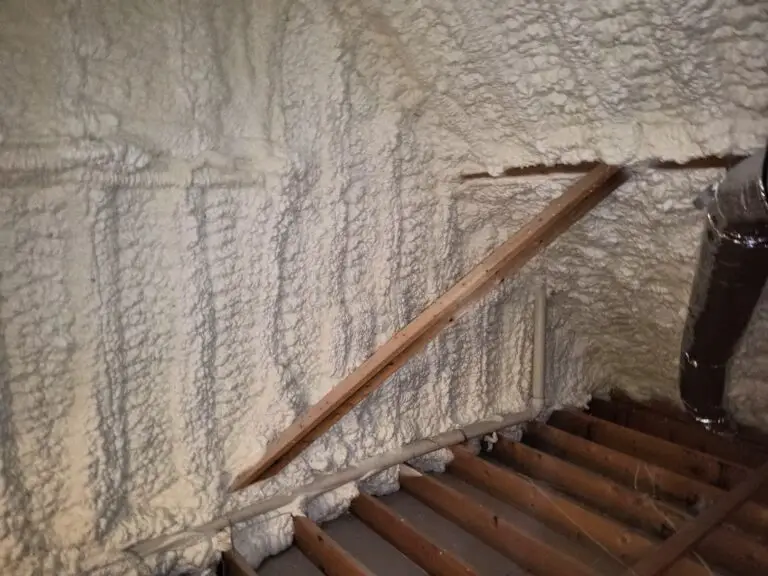
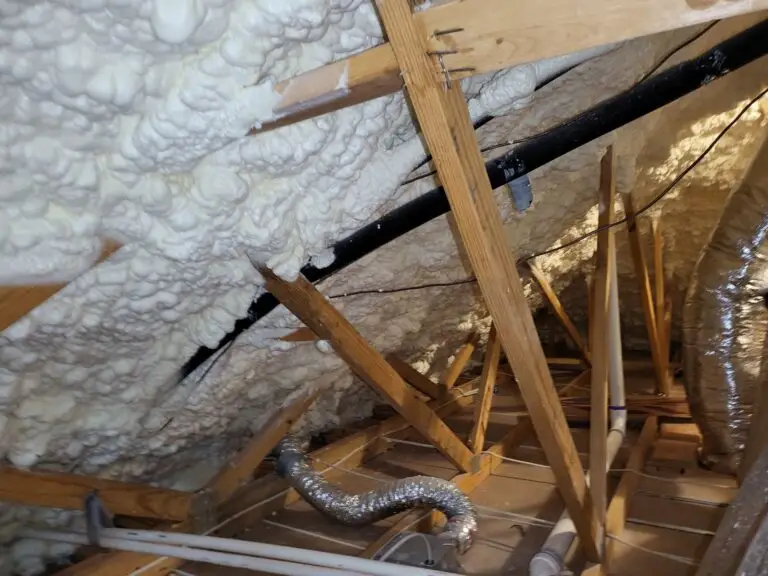
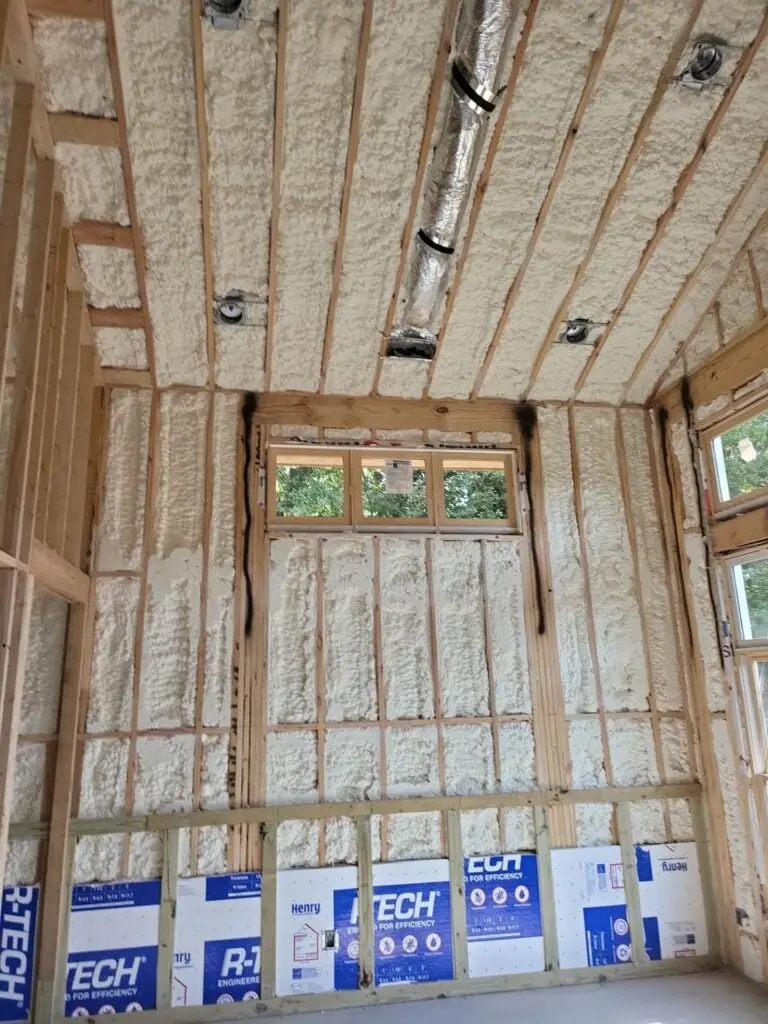
Spray foam insulation comes in open-cell (most often used in attics and walls) and closed-cell (the preferred option for crawl spaces and metal buildings) varieties, offering excellent insulation and air sealing. Benefits include mold and mildew prevention, improved air ventilation and quality, and pest-prevention.
Cellulose
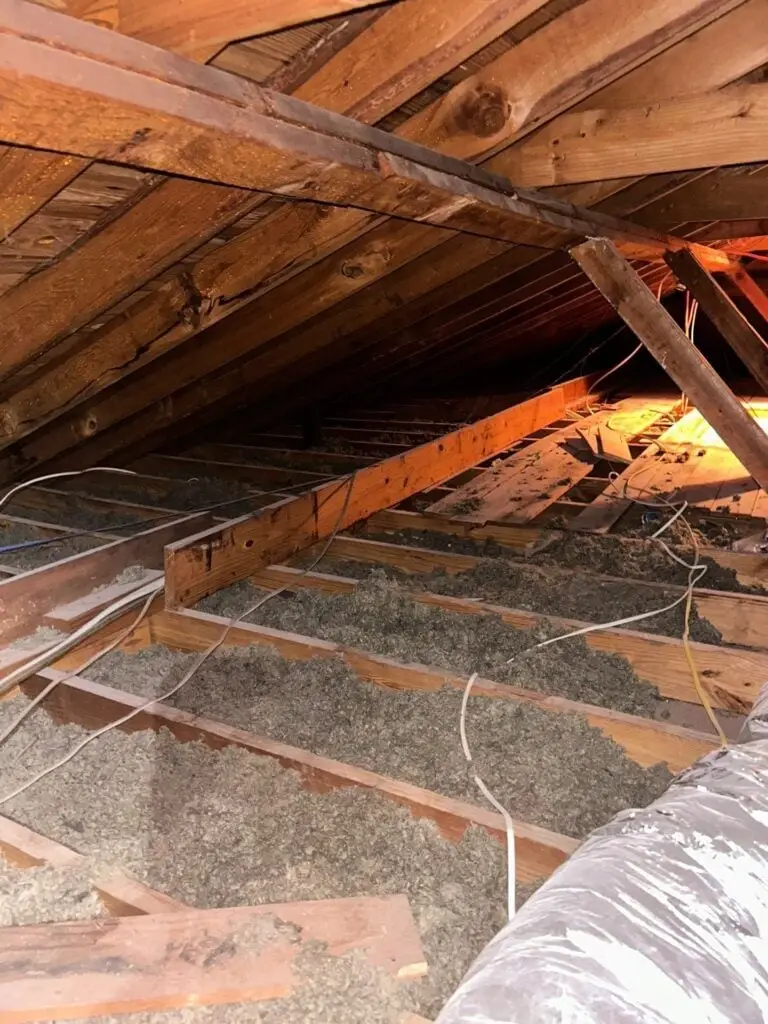
Cellulose is made from recycled paper, and can be an option for those seeking a low-cost solution. Because cellulose is essentially ground up newspaper, it produces a significant amount of dust. The particles stay suspended in the air leading to poor air quality. Every time there is a pressure change in the home, like the HVAC turning on, or a door opening, cellulose acts like sifted flour, raining particles in your home. Get your duster ready. While still available, we stopped installing cellulose years ago because of the advancement in other technologies.
Rockwool
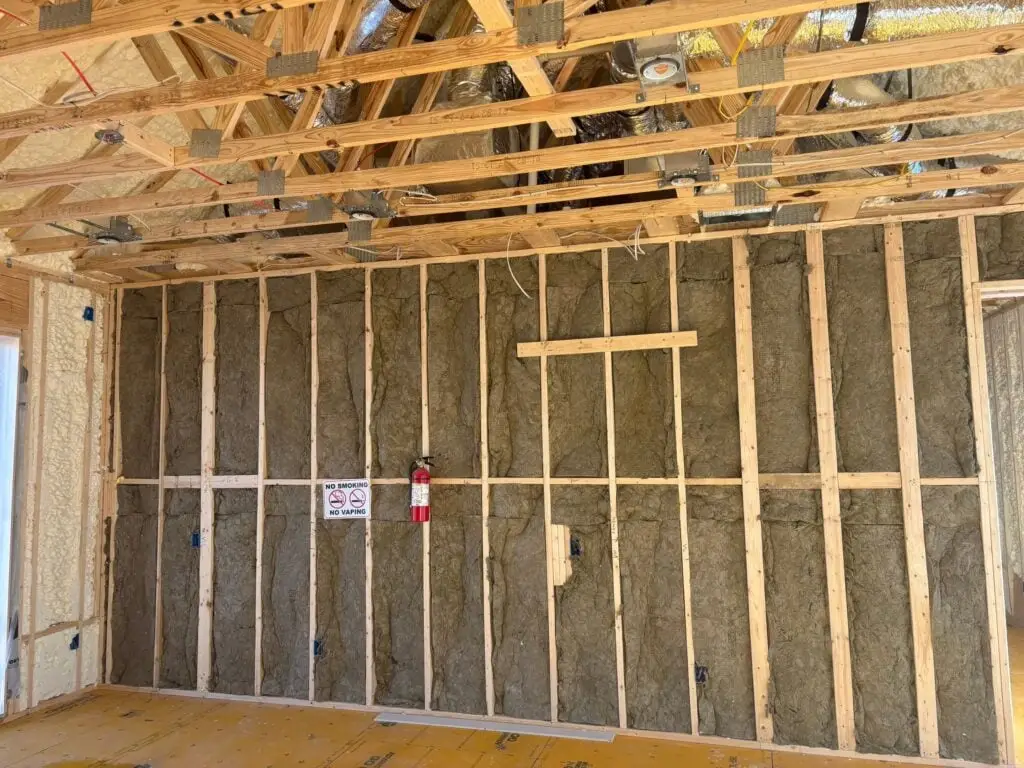
Also referred to as mineral or slag wool, rockwool is fire-resistant, sound-absorbing, and moisture-resistant, making it ideal for various applications, such as basement ceilings and home theatres. Rockwool has similar sound mitigation properties as open-cell spray foam and can be a great insulation option in various areas of a home. Some of the most common locations for sound mitigation are guest bathrooms, theater rooms, common walls between master bedrooms, as well as living areas and laundry room isolation. If you are finishing your basement, don’t forget about sound mitigation between your floors. It is one of the top five calls we receive, and once you have sheetrock installed, it becomes a much larger and complicated project!
Reflective or Radiant Barriers
Radiant barrier can be a good choice for warm climates, reflecting heat away from the home. In our experience in the state of Georgia, by the time a homeowner pays for the additional cost of a radiant barrier installation, they could have received a much better return on their investment with another insulation option. For this reason, we very rarely suggest radiant barrier after assessing a new construction or existing home.
Natural and Eco-Friendly Options
Materials like cotton, sheep’s wool, and cork provide insulation solutions with minimal environmental impact. The availability of these products are currently limited and extremely costly. We look forward to offering these products as they become more cost efficient for our customers.
Understanding R-Values and Insulation Performance
The effectiveness of insulation is measured by its R-value, which indicates how well the material resists heat flow. The higher the R-value, the better the insulation. Different climates require different R-values—homes in colder regions need higher R-values to retain warmth, while those in warmer climates can get by with lower values.
To determine the right R-value for your home, consider factors like your region’s climate, the design of your home, and where the insulation will be installed. Choosing the correct R-value ensures maximum efficiency and energy savings. Spray foam insulation has a very high R-value and can be as high as 7.1 per inch.
While R-value is a direct comparison, it does not take performance factor or air permeability into account. An air impermeable insulation such as spray foam has a significantly higher performance at a much lower R-value. In fact, spray foam insulation with an R-20 outperforms fiberglass with an R-38 or R-40 in an attic!
Where Insulation Makes the Biggest Impact
Strategically placing insulation throughout your home can significantly improve efficiency. The attic is one of the most critical areas, as heat rises and can escape through a roof with insufficient insulation. Interior walls also benefit from insulation, reducing heat transfer and keeping rooms comfortable year-round.
Floors and crawl spaces are often overlooked, but insulating these areas prevents heat loss and keeps floors from feeling cold in the winter. Basements are another key area—without sufficient insulation, they can become drafty, cold, and uncomfortable. Even windows and doors play a role in insulation. Weatherstripping and energy-efficient solutions help minimize drafts and prevent unnecessary energy loss.
The Cost of Insulation and Return on Investment
The cost of insulation varies depending on the material, installation method, and the size of the project. While spray foam can sometimes be a larger investment up front, it doesn’t require frequent updating and ongoing maintenance. You can “set it and forget it,” confidently knowing it’s made to last throughout the lifespan of your structure, or approximately 80-100 years.This is not the case for fiberglass insulation, which needs to be replaced or replenished every 5-10 years due to wind washing, settling, or damage done by people or pests walking on it!
Homeowners often debate between DIY installation and hiring a professional. While DIY insulation can save money, improper installation can lead to gaps and inefficiencies, ultimately costing more in the long run. A licensed, professional insulation provider can ensure quality products, performance, and customer service.
There is no doubt that quality insulation is a worthwhile investment. It pays for itself over time through lower energy bills and increased home value. Proper insulation can also lead to significant long-term savings, making it one of the smartest home upgrades you can make!
Common Insulation Mistakes and How to Avoid Them
Insufficient Insulation
One of the most common insulation mistakes is not installing enough of it! Insufficient insulation reduces energy efficiency, making it harder to maintain a comfortable indoor temperature. This leads to higher energy bills and can cause drafts, cold spots, or excessive heat buildup in your home.
Poor Installation
Poor installation can also significantly impact insulation performance. If insulation is compressed, improperly applied, or leaves gaps, it won’t provide the correct thermal barrier needed to regulate temperature. Once again, hiring a professional with experience and expertise can help ensure that insulation is applied correctly and effectively.
Wrong Insulation Type
Using the wrong type of insulation for your climate or home design can result in poor performance and wasted money. Some materials work better in cold environments, while others are designed for moisture resistance or high heat. It’s important to choose insulation that matches your structure’s specific needs to maximize efficiency and longevity.
Ignoring Vapor Barriers
Ignoring vapor barriers is another critical mistake that can lead to long-term damage. Without proper moisture control, condensation can build up inside walls, creating an environment where mold and mildew thrive. A well-placed vapor barrier helps prevent moisture-related issues, protecting both your home’s structure and indoor air quality.
Choosing the Right Insulation for Your Home
Selecting the right insulation depends on several factors, including your climate, budget, and specific needs. In colder regions, higher R-value insulation is a must, while warmer areas may benefit from radiant barriers. Budget also plays a role—some materials have a higher upfront cost, but offer better long-term savings. According to a recent Department of Energy study, homeowners who installed spray foam insulation saved an average of 20% on their heating and cooling costs.
Health and safety concerns, such as allergen and fire resistance should also be considered. Finally, homeowners must decide whether to install insulation themselves or hire a professional. While DIY projects can save money, complex installations or spray foam applications are best left to professionals for optimal results.
DIY Insulation vs. Hiring a Professional
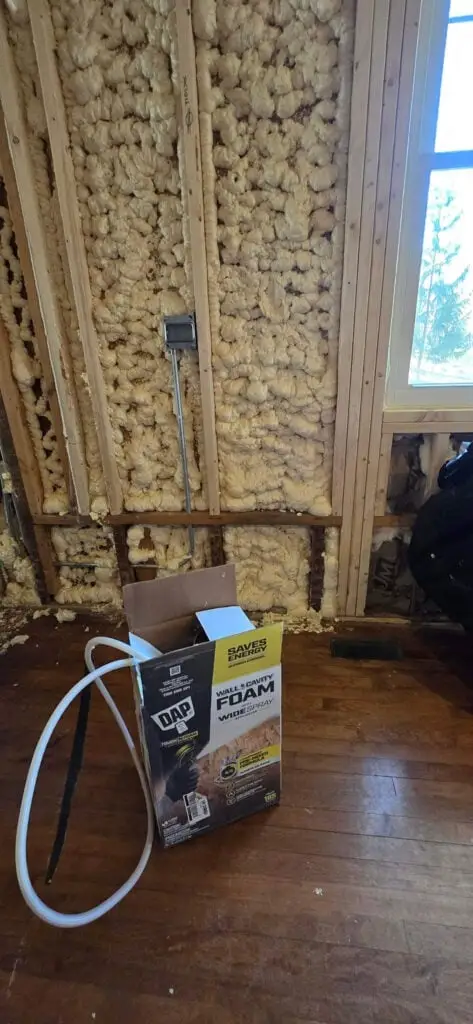
For those with some home improvement experience, DIY insulation may be an option, particularly for simpler materials like fiberglass batts. However, it’s essential to understand the risks. Improperly installed insulation can lead to inefficiencies and gaps that reduce its effectiveness. Spray foam, in particular, requires specialized equipment and expertise to apply correctly.
Hiring a professional ensures proper installation, maximizes energy efficiency, and often comes with warranties for added peace of mind. When choosing a contractor, look for experienced professionals with positive reviews and proper licensing. Investing in expert installation can save money and hassle in the long run.
The Evolution of Insulation Technology
The insulation industry continues to evolve, with new technologies making homes even more energy-efficient. Smart insulation materials are emerging, designed to adapt to temperature changes and optimize performance. Sustainable options, including hemp, mycelium, and bio-based foams, are popular among homeowners seeking environmentally friendly solutions. Additionally, advancements in energy-efficient building design are making homes more airtight and well-insulated from the start, reducing the need for excessive heating and cooling.
Frequently Asked Questions
How often should insulation be replaced? Most insulation lasts 5 to 10 years but may need replacement sooner if damaged. Spray foam insulation lasts throughout the lifespan of your structure, or approximately 80-100 years.
Can insulation help with soundproofing? Yes, certain types like spray foam and mineral wool significantly reduce noise throughout a structure.
Is spray foam insulation safe? Yes, when installed properly, it’s non-toxic and highly effective. At Epic Spray Foam, all our spray foam insulation products are GREENGUARD Gold Certified, meaning products are designed to contribute to safer, healthier indoor air. These materials are tested and verified to have low chemical emissions, especially Volatile Organic Compounds, or VOCs.
What are the signs my home needs better insulation? High energy bills, drafts, uneven temperatures, and excessive noise can indicate poor insulation.
Spray Foam Insulation: An Investment Worth Making for Your Home
Investing in quality insulation is one of the best ways to improve your home’s energy efficiency, comfort, and overall value. Whether you’re upgrading existing insulation or installing new materials, choosing the right type and ensuring proper installation will make a significant difference in performance.
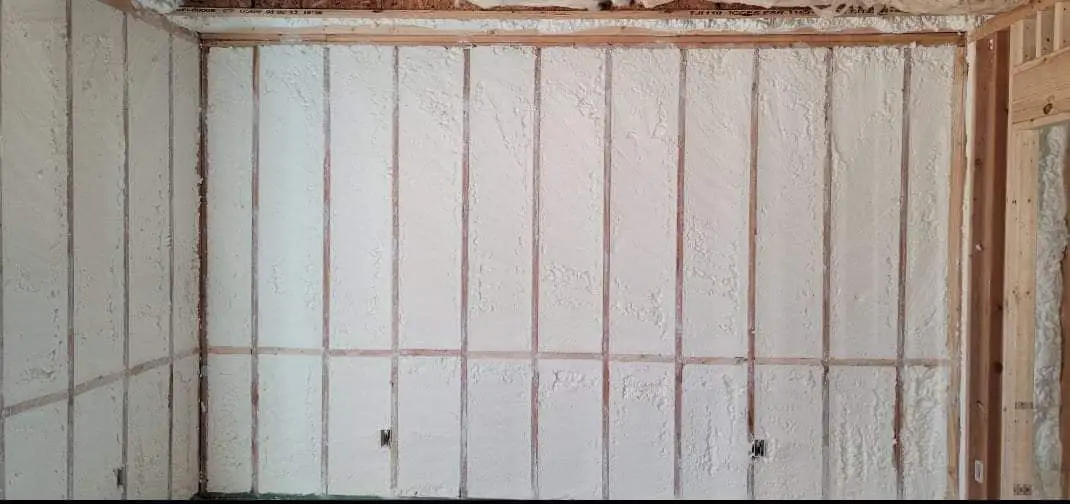
When it comes to superior insulation performance, spray foam insulation stands out as a superior choice. Unlike traditional materials like fiberglass or cellulose, spray foam creates an airtight seal that prevents energy loss, blocks moisture, and enhances indoor comfort year-round. Its long-lasting durability and high R-value make it the smartest investment for homeowners looking to lower energy bills and improve their home’s overall comfort, safety, and efficiency. When you combine all these benefits with the new insulation tax credit, the decision just makes sense!
If you want to maximize comfort, reduce energy costs, and protect your home from air leaks and moisture damage, Epic Spray Foam is here to help. Our team of experts specializes in professional spray foam installation, ensuring your home gets the best insulation solution available. Contact us today to take the first step toward a better-insulated, more energy-efficient home!
Call us at 833-362-6489 to schedule a free home assessment and estimate today!