If you’re wondering how much insulation you need in your attic, you’re not alone. It’s an important question to ask, as the right amount of insulation can make a big difference in your home’s energy efficiency and comfort.
Insulating your attic is an essential step in making your home as energy-efficient as possible. The right amount of insulation can reduce energy bills, create a more safe and comfortable living environment, and protect your home from the elements.
But how much insulation do you need in your attic? The answer depends on several factors, including the size and shape of the attic, the climate where you live, the type of insulation you choose, and the R-value you need.
In this article, we’ll discuss how to determine the correct amount of insulation for your attic, so you can make your home as comfortable and energy-efficient as possible.
Understanding R-value and U-value
Before we get into the specifics of how much insulation your attic needs, it’s essential to understand the concepts of R-value and U-value.
R-Value
R-value is a measure of thermal resistance, which is the ability of a material to resist heat transfer. The higher the R-value, the greater the insulation’s ability to resist heat transfer.
U-Value
U-value, on the other hand, is a measure of thermal transmittance, which is the ability of a material to conduct heat. The lower the U-value, the better the insulation’s ability to keep heat from entering or leaving the home.
To determine how much insulation you need in your attic, you’ll need to know the R-value of the insulation you plan to use. Different types of insulation have different R-values, so it’s essential to choose the proper insulation for your climate and your needs. Once you’ve selected the type of insulation you want, you’ll need to calculate the amount of insulation you need based on your attic’s size, shape, and climate.
Factors That Determine the Amount of Insulation Needed

To determine the amount of insulation you need, you’ll need to consider all of these factors:
- First, you’ll need to consider the climate where you live. Different climates require different levels of insulation. For example, if you live in a cold climate, you’ll need more insulation than in a warm climate. The R-value you need will also vary depending on the climate where you live.
- Next, you’ll need to consider the size and shape of your attic. The size of the attic will determine how much insulation you need, as more extensive attics will require more insulation than smaller attics. The shape of the attic is also essential, as attics with irregular shapes may require more insulation than those with regular shapes.
- Finally, you’ll need to consider the R-value of the insulation you plan to use. Different types of insulation have different R-values, so you’ll need to select the right type for your climate and needs.
Estimating the Amount of Insulation Needed
The amount of insulation you need in your attic depends on several factors, including:
- Your geographic location
- The age of your home
- The size of your attic
- The type of insulation you choose
The Department of Energy recommends that most homes in the United States have between R-38 and R-60 insulation in their attics. The R-value is a measure of insulation’s ability to resist heat flow, with higher values indicating better insulation.
To determine the right amount of insulation for your home, you can use the Department of Energy’s insulation calculator, which takes into account your geographic location and other factors.
Calculating the Amount of Insulation Needed
- Once you’ve estimated the amount of insulation you need in your attic, you’ll need to calculate the exact amount. To do this, you’ll need to measure the height, width, and length of your attic, as well as the pitch of the ceiling. You’ll also need to measure the depth of the attic’s insulation.
- After you’ve taken all of these measurements, you’ll need to calculate the volume of the attic. This can be done by multiplying the length, width, and height of the attic, as well as the pitch of the ceiling.
- Once you’ve calculated the attic volume, you’ll need to subtract the depth of the existing insulation, if any. This will give you the total volume of insulation that you need in your attic.
If you don’t want to worry about calculations or risk them being incorrect, contact our team at Epic Spray Foam to handle all of your insulation needs.
Different Types of Insulation
Once you’ve calculated the amount of insulation you need in your attic, you’ll need to choose the right type of insulation.
There are several different types of insulation, including fiberglass, cellulose, and foam. Each type of insulation has its own unique properties, so it’s important to select the one that best meets your needs.
- Fiberglass insulation is made of glass fibers and is often used in attics and walls. It has a relatively high R-value and can be used in cold and warm climates.
- Cellulose insulation is made of recycled paper and is often used in attics and walls. It has a relatively low R-value, so it is best used in warm climates.
- Foam insulation is made of polyurethane and is often used in walls and attics. It has a high R-value, so it is suitable for both cold and warm climates.
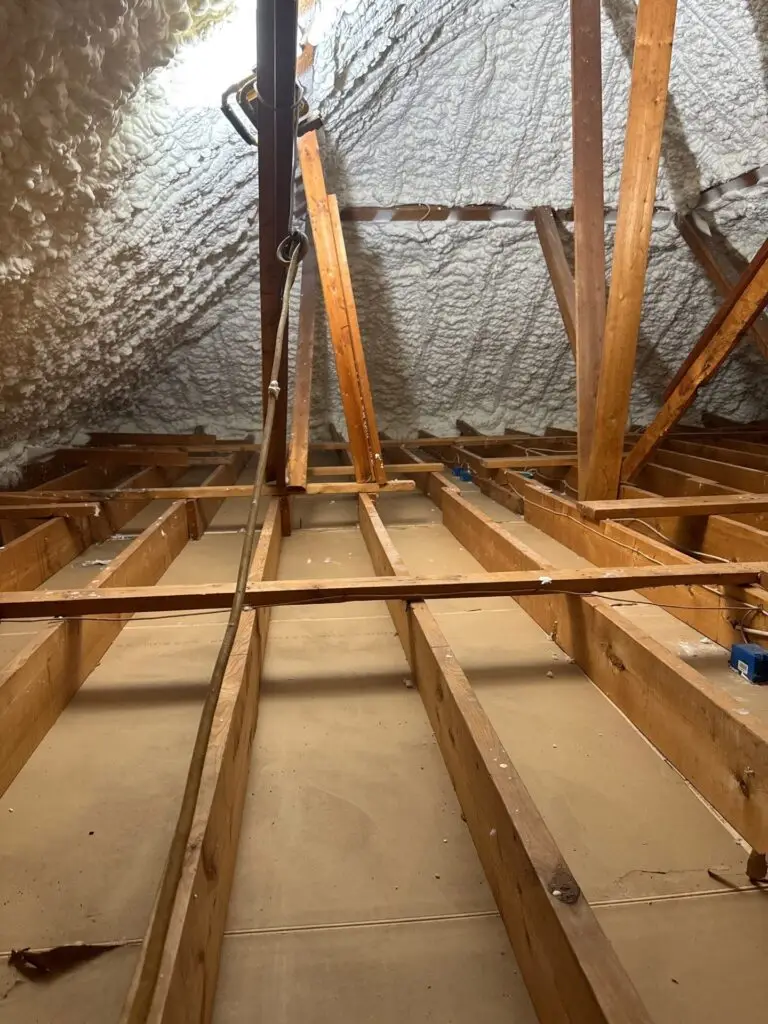
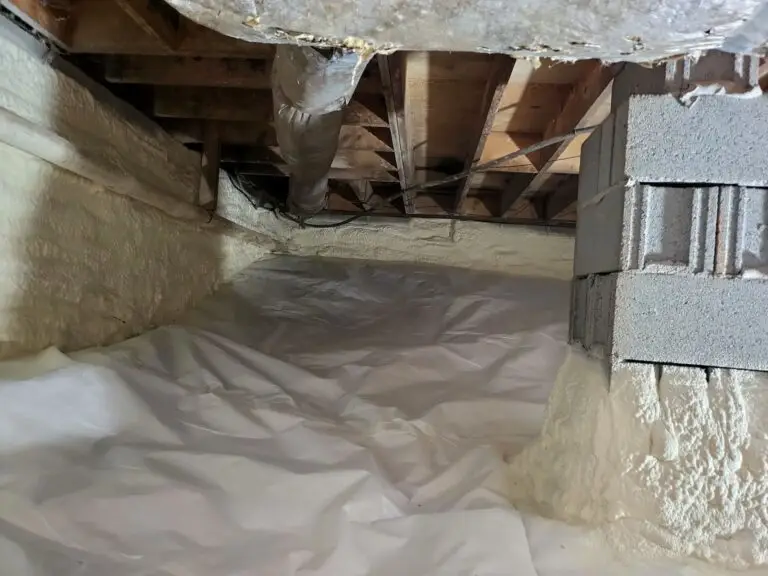
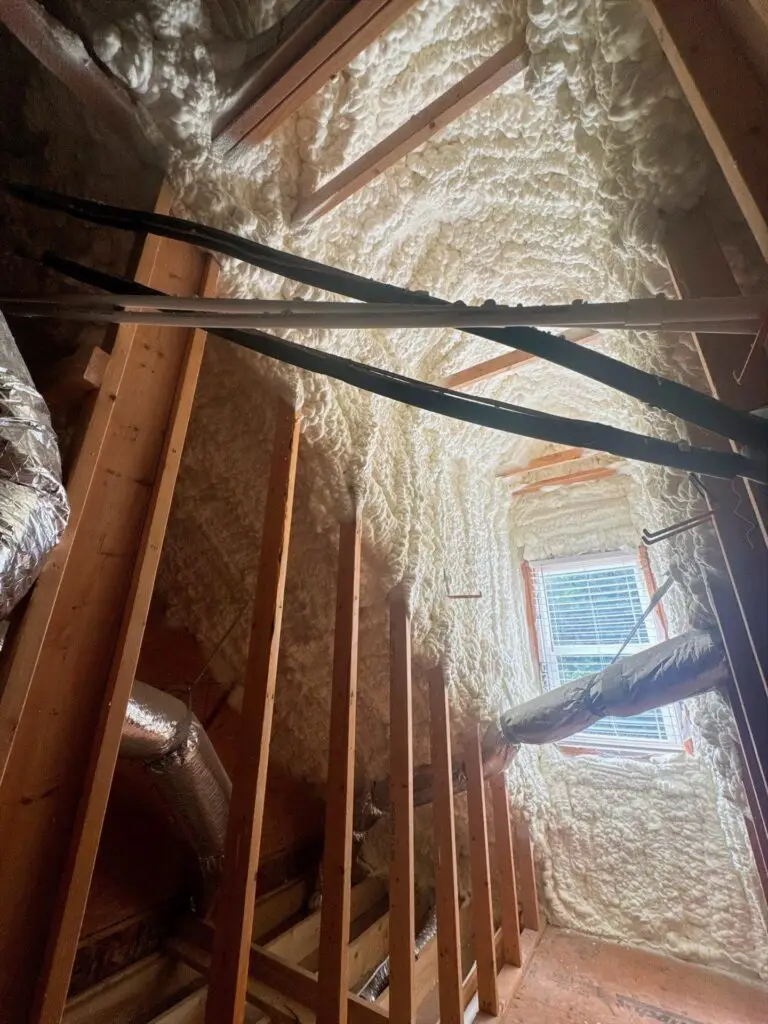
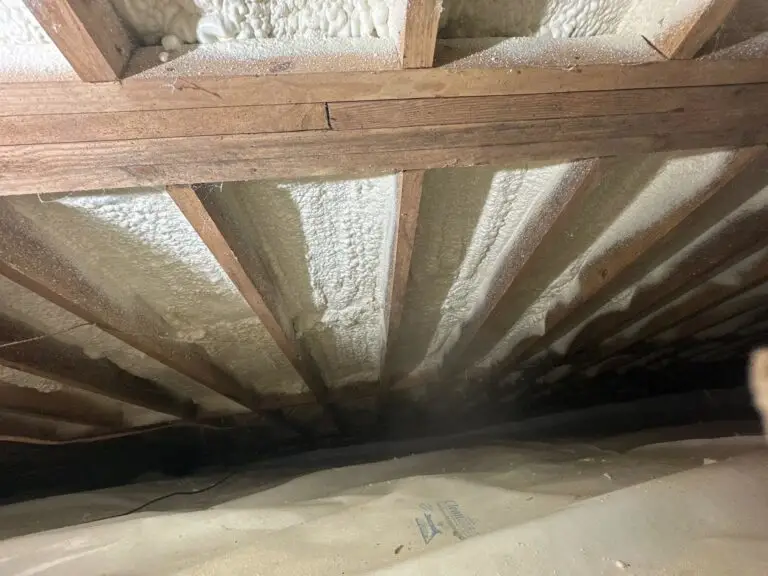
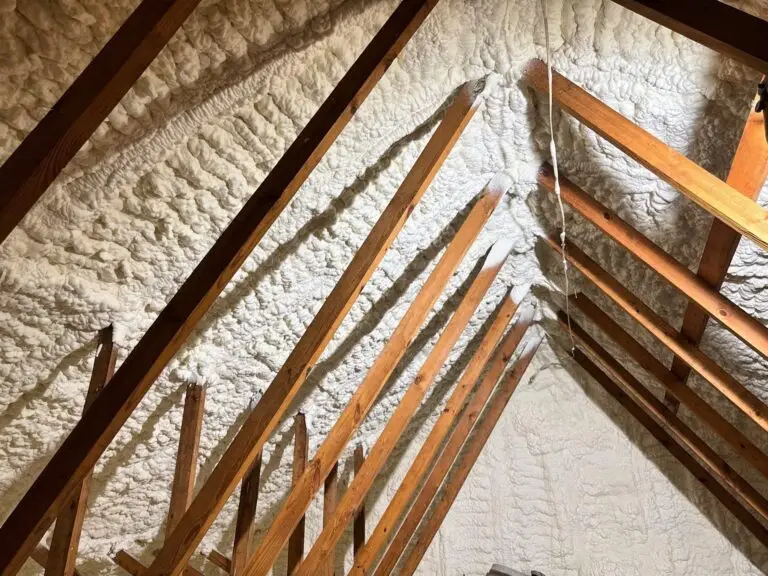
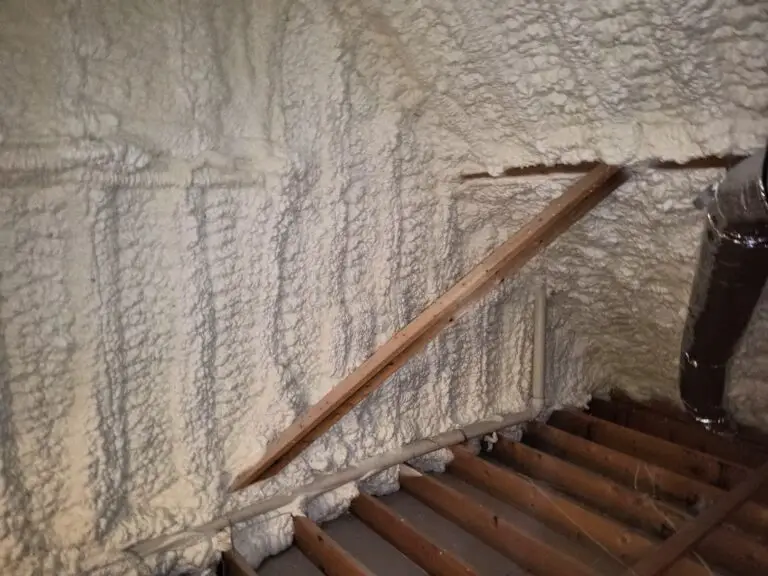
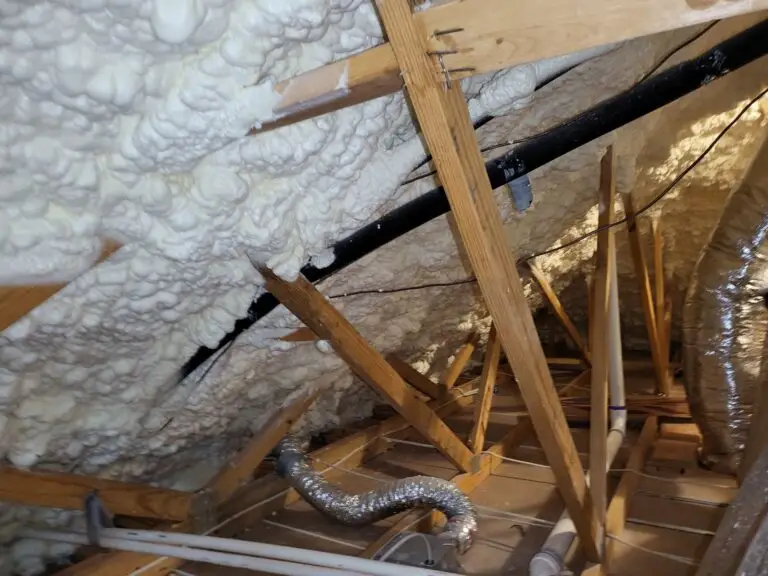
It’s no surprise that spray foam insulation is our favorite, so let’s talk about why. Spray foam expands to fit your space perfectly with no gaps, which means there are a variety of benefits:
- Stop Air Leaks
- Lower energy bills
- Keep humidity under control.
- Reduced Carbon Footprint
Spray foam insulation is an investment for your property. The improvement will pay for itself over time as you save money on your power bills.
Choosing the Right Type of Insulation
When choosing the type of insulation for your attic, it’s essential to consider the climate where you live, the size and shape of your attic, and the R-value you need. You should also consider the cost of the insulation, as some types are more expensive. Once you’ve considered all of these factors, you can select the correct type of insulation for your attic.
Installing Your Insulation
Once you’ve chosen the type of insulation you want in your attic, you’ll need to install it. This can be a difficult and time-consuming process, so planning is essential. Ensure you have all the necessary tools and supplies, such as a ladder, insulation, and safety gear. It’s also a good idea to plan the steps of the installation process before you begin.
When installing insulation, you must ensure it’s properly sealed and leveled. It’s also vital to ensure there are no gaps or holes in the insulation. This will ensure that your insulation is effective and provides the maximum amount of energy efficiency.
This is no easy feat. It’s best to leave it to a professional.
The Benefits of Insulation
- Insulating your attic can provide several benefits, including reduced energy bills, improved comfort, and protection from the elements. Insulation can also help reduce noise pollution and increase the value of your home.
- By reducing the amount of energy needed to heat and cool your home, insulation can help reduce your energy bills. This can save you money in the long run, as you won’t have to spend as much on energy costs.
- Insulation can also help make your home more comfortable by reducing drafts and keeping out the cold. This can help to make your home more comfortable and can also help to reduce noise pollution.
- Finally, insulation can help protect your home from the elements. By keeping out the cold, insulation can help reduce the risk of damage from ice and snow. It can also help to reduce moisture levels, which can prevent mold and mildew from growing.
Insulating your attic is an important step in making your home as energy-efficient as possible. The right amount of insulation can reduce energy bills, create a more comfortable living environment, and protect your home from the elements.
But how much insulation do you need in your attic? The answer depends on several factors, including the size and shape of the attic, the climate where you live, the type of insulation you choose, and the R-value you need. By understanding these factors and calculating the insulation you need, you can make your home as comfortable and energy-efficient as possible.
Epic Spray Foam—Feel the Difference!
Epic Spray Foam offers you the opportunity to enjoy the comfort and savings of a spray foam-insulated home. Spray foam insulation is the most effective, energy-efficient insulation available to homeowners today.
The effectiveness of your insulation depends on proper installation, so it’s best to use a dependable and experienced professional. As a leading insulation contractor in Georgia, Epic Spray Foam is committed to excellent quality, service, and safety. We can complete a free on-site assessment of your property and provide a recommendation tailored to your home’s unique insulation needs.
Give us a call at (833) 362-6489 to schedule your free estimate today!