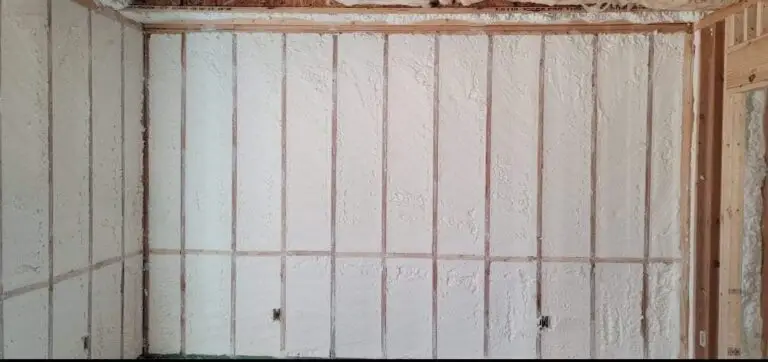
North Georgia winters can be sneaky. Most days feel mild, then a sudden cold snap hits right as your holiday guests arrive. If your attic is under-insulated or leaking air, you feel it fast through chilly bedrooms, longer HVAC runtimes, and higher electric or gas bills. The good news, the right attic insulation strategy can stabilize temperatures, control humidity, and help your system work less, even when the weather swings hard.
This guide breaks down which attic insulation types perform best for North Georgia and Metro Atlanta homes, when to use each, and what to expect with costs, safety, and installation timing.
What is the Most Effective Attic Insulation?
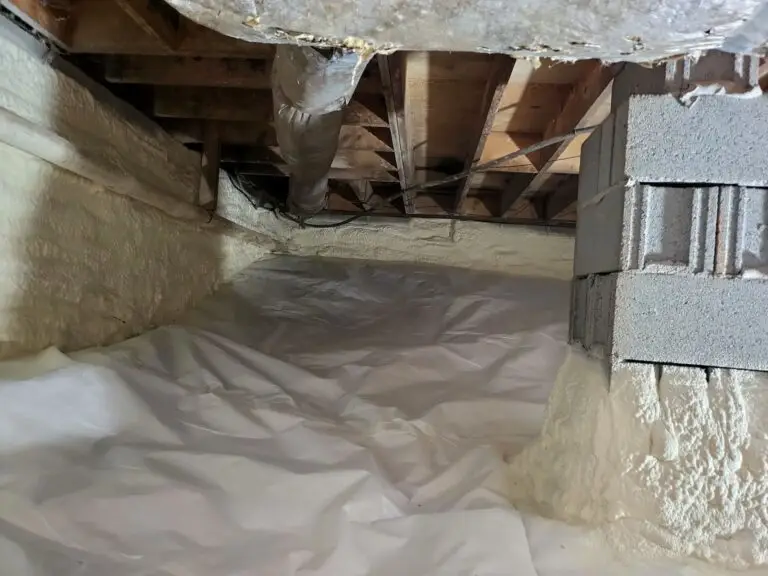
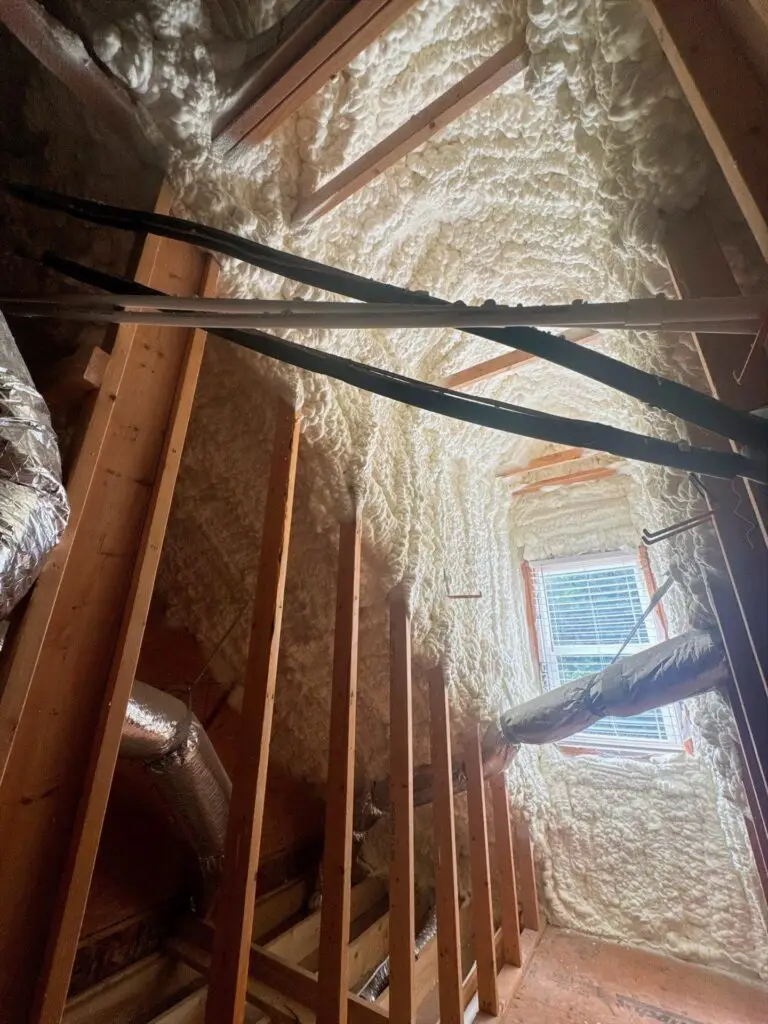
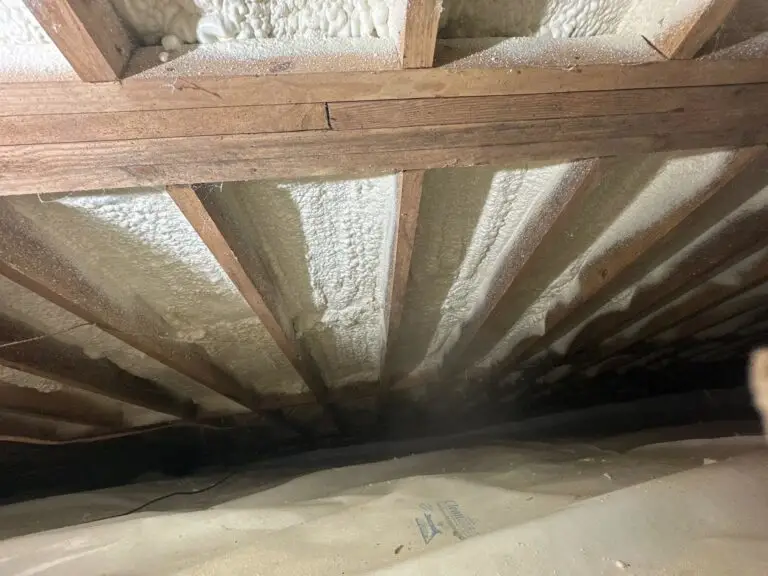
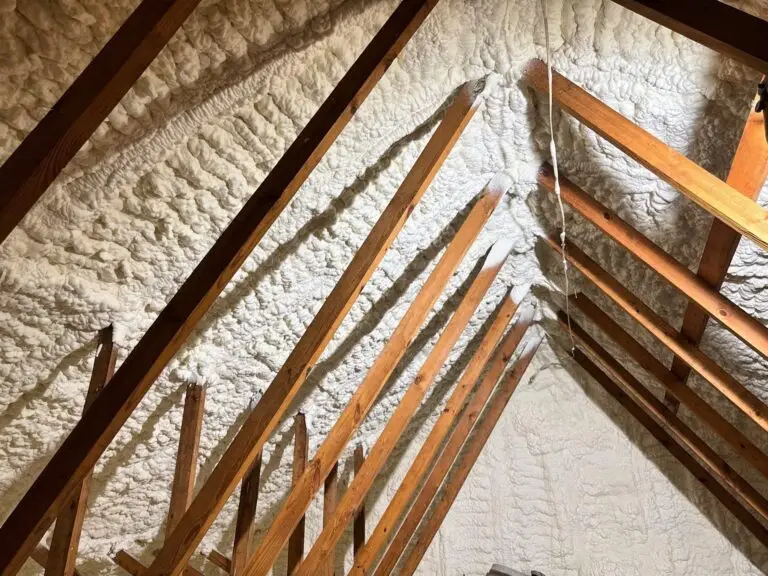
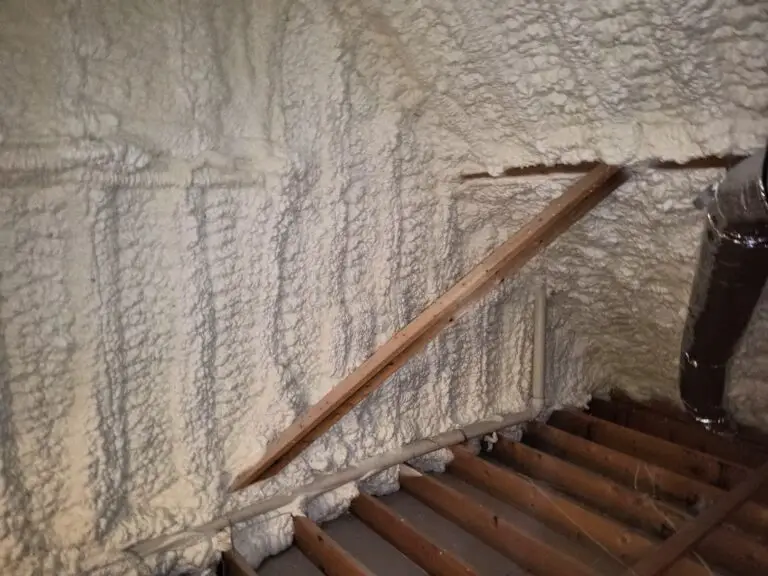
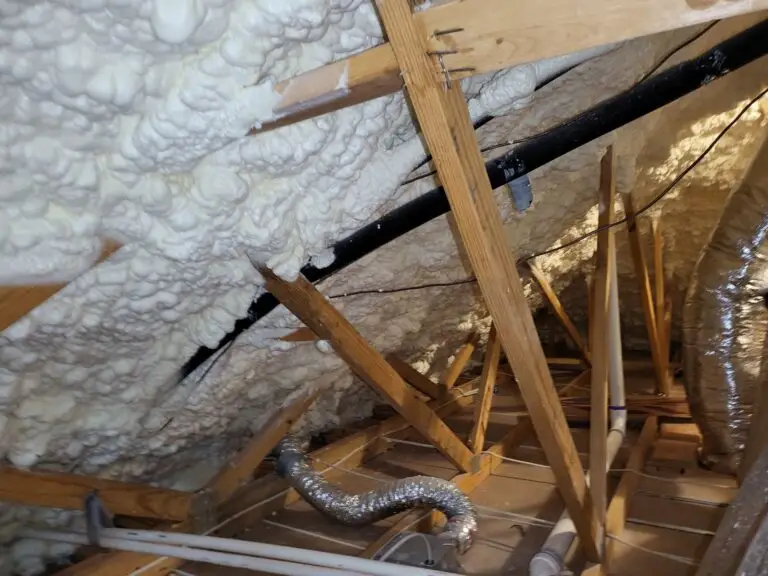
In our climate, the most effective attic insulation does two jobs at once. It resists heat flow with enough R-value, and it seals air to keep outside air, attic dust, and moisture from moving through your home. That’s why spray foam, especially closed-cell foam, is a standout. It delivers high R-value per inch and a continuous air and moisture barrier. Open-cell foam is excellent when used on interior rooflines to create a conditioned attic. Blown-in fiberglass remains a smart budget play for quick R-38 upgrades on attic floors.
So, which type is best for an attic, and which is most effective overall, depends on your attic design, your goals, and whether you are building new or retrofitting an existing home.
Closed-Cell spray foam, Best for Air and Moisture Sealing
Closed-cell spray foam is dense and rigid, and it checks three critical boxes for winter performance:
- High R-value per inch for compact thickness where space is tight
- Exceptional air sealing that stops drafts and stack-effect leakage
- A built-in vapor barrier that helps control moisture and condensation
Where it shines:
- Roof decks and sloped ceilings when you want a conditioned, unvented attic
- Rim joists and areas vulnerable to moisture
- Metal or complex rooflines with lots of penetrations
Benefits you will notice:
- Warmer upstairs bedrooms during cold snaps
- Lower indoor humidity swings, less risk of attic condensation and mold
- Shorter HVAC runtimes and more stable room temperatures
Installation notes:
- We remove old insulation before spraying foam for proper adhesion and performance
- Homes are typically vacated during spraying, with a standard 24-hour re-entry window
- We use GREENGUARD Gold Certified products to minimize VOC emissions
Best fit:
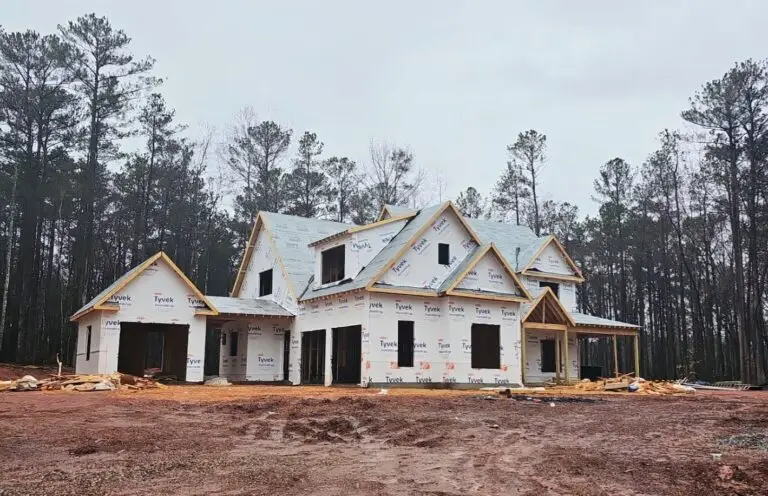
- New construction when you want the tightest building envelope from day one
- Retrofits where moisture control and maximum performance are top priorities
Open-Cell spray Foam, Ideal for Interior rooflines and Sound Mitigation
Open-cell spray foam expands to fill every crack and gap, delivering excellent air sealing with a lighter, more affordable foam. It is a great choice for interior or conditioned spaces, including many roof decks under asphalt shingles.
Where it shines:
- Creating a conditioned attic by insulating the roofline
- Interior walls and ceilings where sound control matters
- Complex framing where full coverage is important
Benefits you will notice:
- Comfortable upstairs temperatures, even on windy nights
- Better sound control between rooms and floors
- Reduced dust and allergens moving through the house
Best fit:
- New builds and retrofits focused on comfort and air sealing at a moderate cost
- Homes with ducts and HVAC equipment in the attic that benefit from a conditioned space
Blown-In Fiberglass, Fast and Budget-Friendly
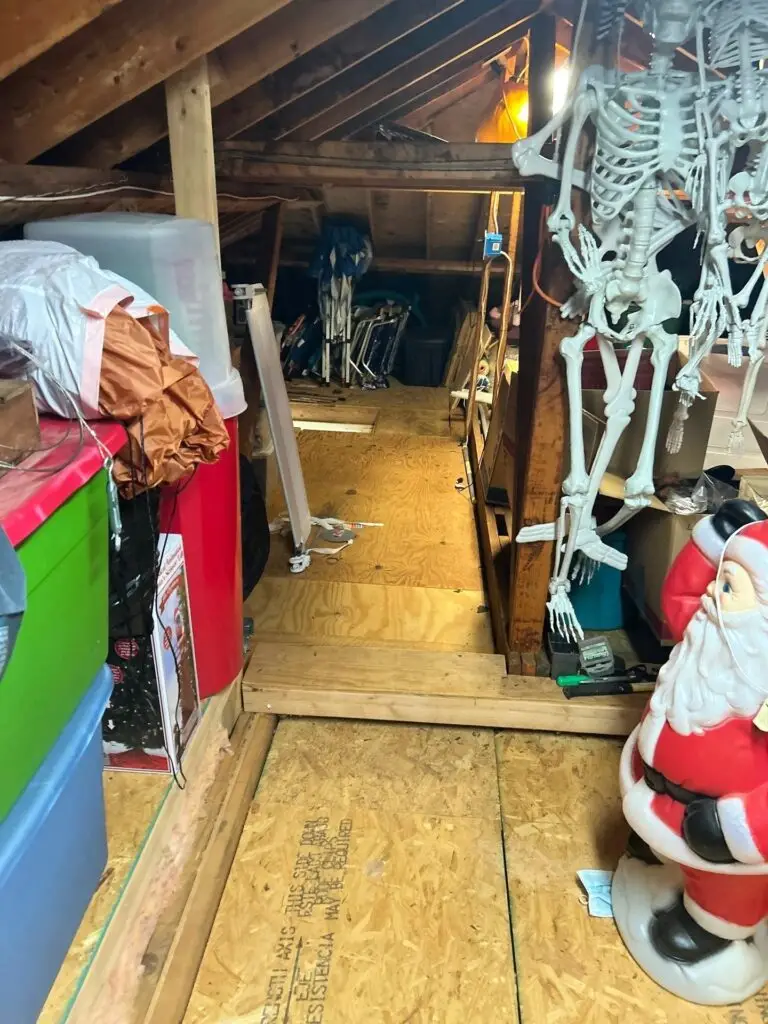
If you want a quick boost before winter, blown-in fiberglass on the attic floor is the fastest path to the code-recommended R-38 target for most Metro Atlanta homes. It does not air seal like spray foam, but when paired with targeted air sealing around can lights, attic hatches, and duct penetrations, it can deliver a noticeable comfort and energy improvement.
Where it shines:
- Large attics with easy access and open floor areas
- Budget-conscious projects or homes that already have some air sealing in place
- Topping up settled, low-level fiberglass to reach R-38 or better
Benefits you will notice:
- Warmer rooms below the attic
- Lower energy bills compared to an under-insulated attic
- Very quick installation, often same day
Best fit:
- Retrofits when you want value and speed
- Homes that do not need a conditioned attic
Is Replacing Attic Insulation Worth It?
Yes, especially if your home shows any of these signs:
- Rooms that are noticeably colder upstairs or near the attic
- Long HVAC cycles, frequent short cycling, or high winter bills
- Visible gaps, rodent-damaged batts, or compacted insulation
- Attic ducts sweating, musty smells, or seasonal humidity swings
Replacing old, compromised insulation and adding modern air sealing can cut energy waste, protect your roof deck from moisture issues, improve indoor air quality, and make your home feel consistently comfortable. Many customers report immediate improvements and measurable reductions in HVAC runtime after spray foam or a well-executed blown-in upgrade.
New Construction vs. Retrofit, Which Path Should You Take?
- New construction: Closed-cell or open-cell spray foam at the roofline creates a tight, conditioned attic that sets your home up for long-term efficiency and comfort. Builders love the predictability and the ability to keep ducts within the thermal envelope.
- Retrofit: If you want best-in-class performance and moisture control, closed-cell foam at the roof deck is ideal. If your priority is comfort on a budget, blown-in fiberglass to R-38 with targeted air sealing is a strong choice. If your HVAC and ducts live in the attic, open-cell foam to create a conditioned attic can dramatically improve performance.
In all retrofit foam projects, we remove old insulation first. Foam is not applied over existing materials.
Safety and Indoor Air Quality You Can Trust
Epic Spray Foam uses GREENGUARD Gold Certified spray foam to minimize VOC emissions. You should plan to be out during spraying, and we advise a standard 24-hour re-entry window after completion. A temporary odor, similar to a new car smell, typically dissipates within about 4 to 5 days.
How Much Does Attic Insulation Cost?
Costs vary with square footage, insulation type, access, removal needs, and complexity. Typical ranges we see in Metro Atlanta:
- Blown-in fiberglass to reach R-38: often the lowest upfront cost
- Open-cell spray foam at roofline: mid-tier investment with strong comfort gains
- Closed-cell spray foam at roofline: higher upfront cost, top-tier performance, air and moisture control, and high R-value per inch
Every home is different. We provide free on-site estimates and clear, customized quotes.
Comfort, Humidity Control, and HVAC Efficiency
When your attic is sealed and properly insulated, you get:
- Consistent temperatures across floors and rooms
- Lower indoor humidity swings, fewer condensation risks, and less chance of mold
- Reduced strain on your HVAC, which often shortens runtime and extends equipment life
This is why the most effective attic insulation for our region is not just about R-value. Air sealing and moisture control are essential.
Your Next Step with Epic Spray Foam
Epic Spray Foam is a local team based in Canton that serves Metro Atlanta and North Georgia. Homeowners praise our punctual crews, careful prep, and spotless cleanup. Many projects are completed in a single day, including removal and installation.
If you are in Woodstock, Alpharetta, Milton, Canton, or nearby communities, we are ready to help you choose the right solution for your home before the next cold snap.
For local readers, you can learn more about our services as an insulation contractor canton, explore attic strategies like attic encapsulation, or compare materials such as blown in fiberglass insulation.
Quick Answers to Common Questions
Which type of insulation is best for an attic?
The best type depends on your goals. Closed-cell spray foam offers the highest R-value plus moisture control. Open-cell foam is great for conditioned rooflines and sound control. Blown-in fiberglass is the fastest, most budget-friendly way to reach R-38 on the attic floor.
What is the most effective attic insulation?
For overall performance in North Georgia, closed-cell spray foam at the roofline is the most effective because it combines high R-value, air sealing, and a vapor barrier. Open-cell foam and blown-in fiberglass are also excellent when matched to the right application.
Is replacing attic insulation worth it?
Yes. Replacing underperforming or damaged insulation and adding proper air sealing can improve comfort, reduce humidity issues, and lower energy bills.
How much does it cost to install attic insulation?
Costs vary with type and scope. Blown-in fiberglass is typically the lowest upfront cost. Open-cell foam is mid-range. Closed-cell foam is the highest upfront cost but delivers the strongest all-in performance. Get a free on-site estimate to price your specific home.
The Bottom Line for Your Home
Winter comfort in Georgia starts in the attic. Choose closed-cell spray foam for maximum performance and moisture control, open-cell spray foam to create a comfortable conditioned attic, or blown-in fiberglass for a fast and affordable R-38 upgrade.
Epic Spray Foam will help you pick the right path for your home, remove old materials when required, install with care, and leave your space clean and ready for re-entry the next day. Call us to get winter-ready with confidence.
Call us at (833-362-6489) to schedule a free estimate for your property today!