Insulation is a critical element of any home or business structure. It is essential to understand what insulation is and how it works to utilize it to its fullest potential.
Insulation is an effective way to reduce energy costs, increase comfort levels, and protect the environment. It helps regulate temperatures, maintain safety and cleanliness, reduce noise, and conserve energy. In this article, we will explore the basics of insulation and how it works to keep your home or business running comfortably and efficiently.
We will discuss the different types of insulation, their benefits, and how to best install and maintain insulation for optimal performance. By the end of this article, you will be well-informed on the insulation basics and ready to start saving energy and money.
What is Insulation?
Insulation is a material that reduces the transfer of heat and sound through a structure. Insulation protects walls, ceilings, floors, and other internal components of a building. Insulation is generally categorized as either thermal or acoustic insulation, depending on its purpose.
Thermal insulation is used to reduce the transfer of heat through a structure. This may sound like a basic function, but the temperature difference between the inside and outside of a structure significantly contributes to energy costs.
Benefits of Insulation
Insulation reduces your energy costs
Insulation can reduce your energy costs by up to 30%, depending on the type of insulation used and the climate in your area.
Insulation reduces acoustical issues
Insulation can reduce acoustical issues by reducing sound transfer between rooms. This can help reduce high-frequency noise like sirens, horns, and traffic.
Insulated walls keep your house temperature regulated
Insulated walls keep your house temperature regulated by stopping temperature transfer through the wall. This can reduce your energy costs and help you prevent issues like condensation and mold.
Benefits of Proper Insulation Installation
Essential to your health
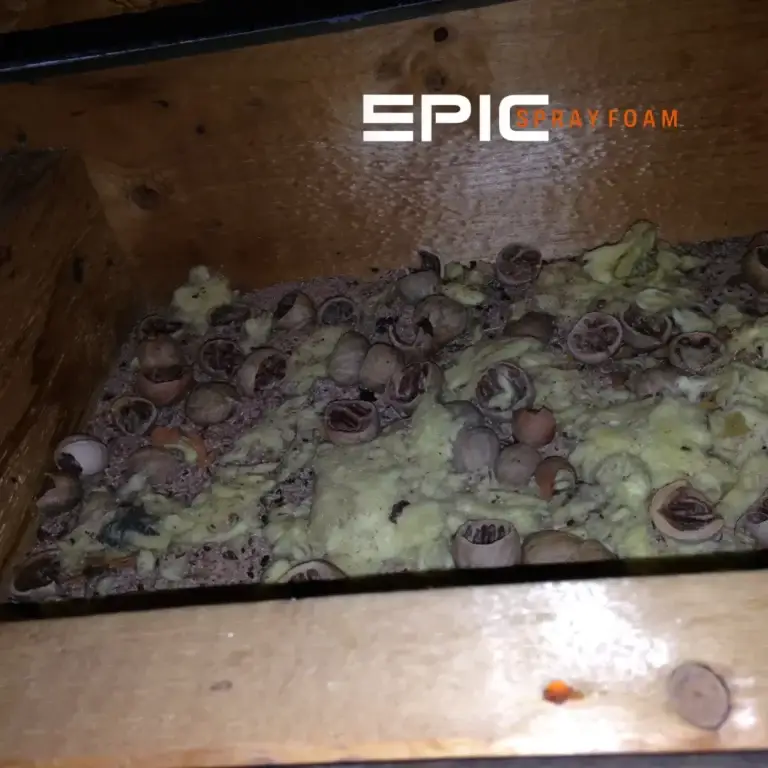
Mold, condensation, and high indoor temperatures are all a result of poor insulation. Inadequate insulation can lead to health problems like allergies, asthma, and lung problems.
Improper insulation can also damage building materials, and cause structural weakness and structural collapse. Insulation is a critical component for protecting your health.
Improper insulation is associated with mold, condensation, and high indoor temperatures.
Good for the environment
Insulation is an essential component of reducing energy costs, but it can also have a positive impact on the environment. Insulating your home reduces waste and pollution by using less natural gas and less greenhouse gas emissions.
Insulation is suitable for surrounding properties
Insulation reduces sound transfer and is an essential component of creating a peaceful environment.
Different Types of Insulation
Spray Foam
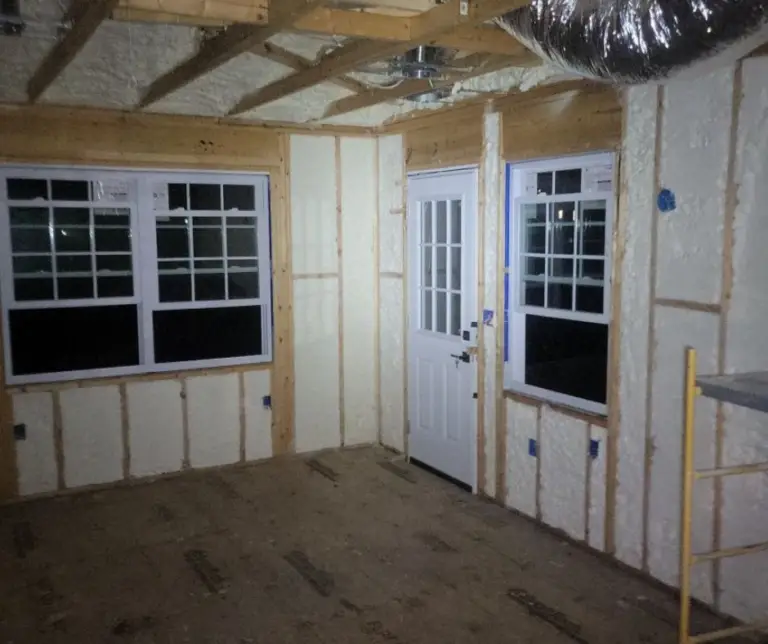
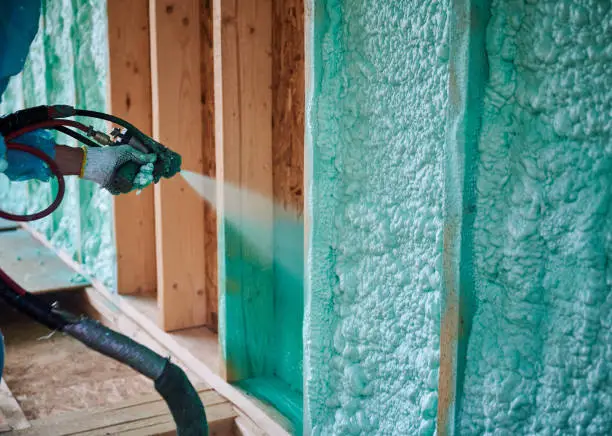
Spray foam insulation is a polyurethane foam that is sprayed into the wall cavity or attic of a building. The foam expands to fill the entire cavity and creates a blanket of insulation for the building. It is an excellent choice for many applications.
Blown-in
This is typically the least expensive type of insulation and is typically blown using an air compressor. It is not a continuous material but more of a membrane. It is generally used above grade (i.e., outside) and is prone to moisture damage and exterior deterioration.
Rolled-in
This is also a type of blown-in insulation. It is formed using a continuous membrane, but it is rolled into a tube. It is also more durable than blown-in insulation and less prone to exterior damage.
Batt
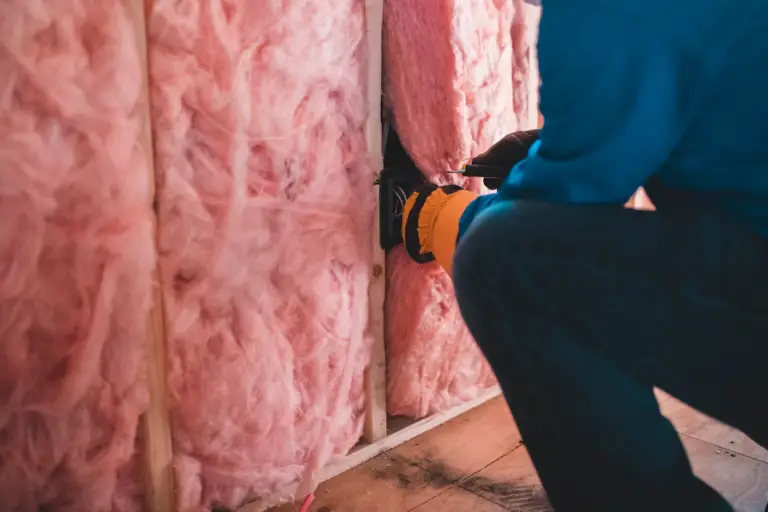
Batt insulation is a type of sprayed-in insulation that is made up of smaller particles that help create a barrier. It is generally used inside and is not susceptible to exterior damage.
Mineral wool
Mineral wool is a type of synthetic wool that is used for both thermal and acoustical insulation. It is created using fine particles that absorb and reflect sound and heat. It is very durable, soundproof, and environmentally friendly.
Where to Install Insulation
Below the concrete slab on your foundation
Whether you have a slab or crawl space foundation, you should insulate your foundation. This will provide the best insulation level and minimize moisture damage.
Exterior walls
Insulated materials should be installed on the exterior walls of your home. This will help to protect your home from high-impact weather and reduce the amount of heat transfer through the wall.
Ceilings
Insulation should be installed in the ceiling of your home. This will help reduce high-frequency sound transfer and keep your home quieter.
Restricted access areas
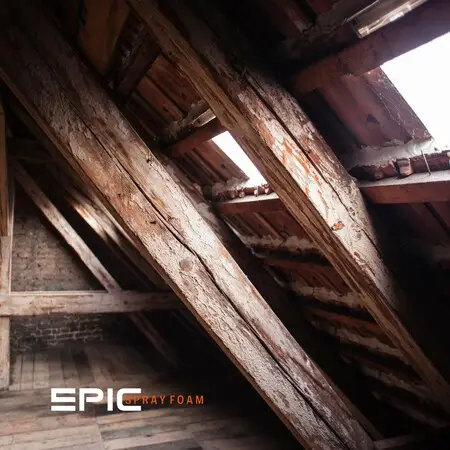
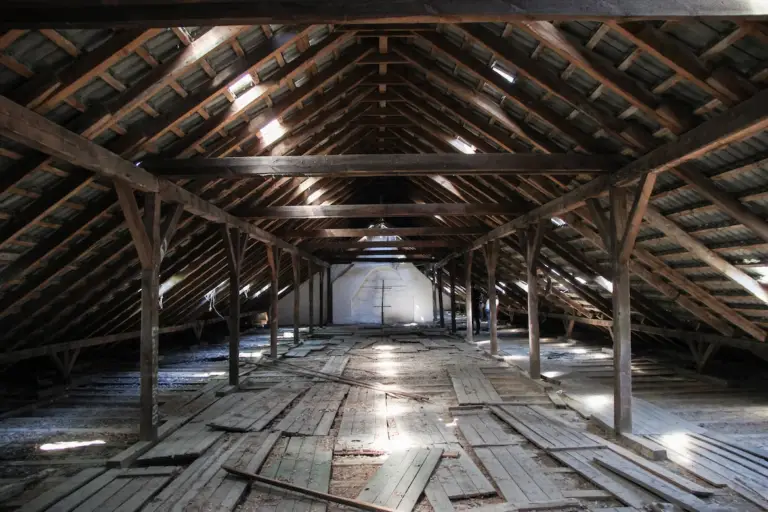
If you have limited access in your attic, you may want to consider insulating your ceiling or walls. This will help reduce the amount of heat transfer in the attic.
How to Maintain Insulation
If your home or business has insulation, you can use less energy and save money. Insulation helps keep your home or business at a desired temperature. It also keeps noise levels down and stops things from blowing around.
When you maintain your insulation, you can ensure it is effectively doing its job. Here are some ways to maintain insulation in your home or business.
Use R-value
Insulation performance can be measured by its R-value. R-value is a measurement of the resistance that a material has to the flow of heat. The higher the R-value, the better the insulating properties of the material and the more energy it will retain.
Check for Condensation
Condensation is natural in some areas of your home or business, such as ceilings, under floorboards, windows, and attics. Condensation can occur when there is a high humidity level.
Some condensation is normal, but if there is excessive condensation in one area, it could indicate a problem with your insulation.
Inspect Roofs
A roof is the largest source of heat loss in your home or business. To determine if your roof is causing your insulation issues, check for signs of condensation in one particular area of your home or business.
If you find condensation in one area, it could indicate that your roof is losing heat. Examine the roof and find out where it is losing the most heat. It could be a problem with your roof’s flashing, shingles, or gutters.
Check for blown ceilings
A blown-in ceiling is another sign that your insulation is not maintaining the temperature in one particular area of your home or business.
To determine if your blown-in ceiling is causing an issue in one area, check for a distinct change in temperature in that area of your home or business. If you find a distinct change in one particular area, it could be an indication that your blown-in ceiling is causing an issue.
Partner with Epic Spray Foam for Your Property’s Insulation Needs
Epic Spray Foam offers you the opportunity to enjoy the comfort and savings of a spray foam-insulated home or business. Spray foam insulation is the most effective, energy-efficient insulation available to property owners today.
The effectiveness of your insulation depends on proper installation, so it’s best to use a dependable and experienced professional. As a leading insulation contractor in Georgia, Epic Spray Foam is committed to excellent quality, service, and safety. We can complete a free on-site assessment of your property and provide a recommendation tailored to your home’s unique insulation needs.
Give us a call at 833-362-6489 to schedule your free estimate today!