Spray Foam vs. Blown-In Fiberglass: Which Insulation Is Right for Your Attic?
When you’re looking to make your Georgia home more comfortable and energy efficient, few upgrades rival the impact of proper attic insulation. If you’re like many homeowners around Canton, Woodstock, and the Metro Atlanta area, chances are you’ve narrowed your choices to spray foam or blown-in fiberglass insulation.
But with so many claims about effectiveness, durability, and cost, how do you really know what’s best for your attic? Let’s break down how each option stacks up, what you can expect long-term, and what Georgia’s unique climate means for your decision.
Understanding the Basics: Spray Foam and Blown-In Fiberglass
Spray foam and blown-in fiberglass are two of the most popular modern choices for attic insulation, but they work in very different ways.
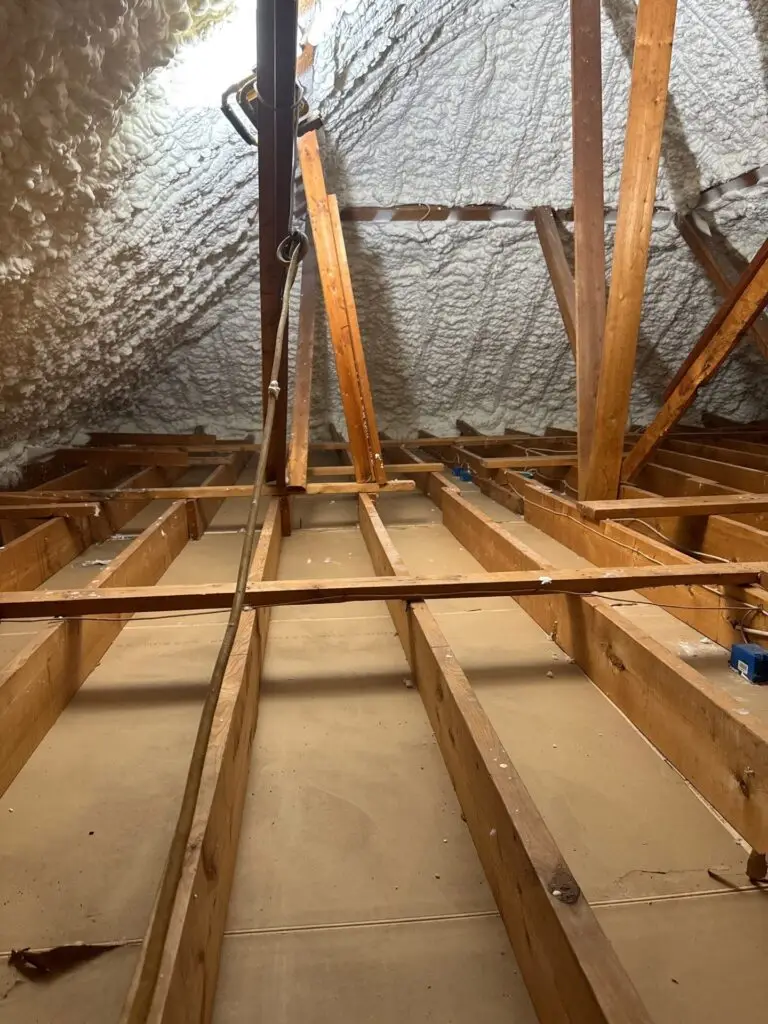
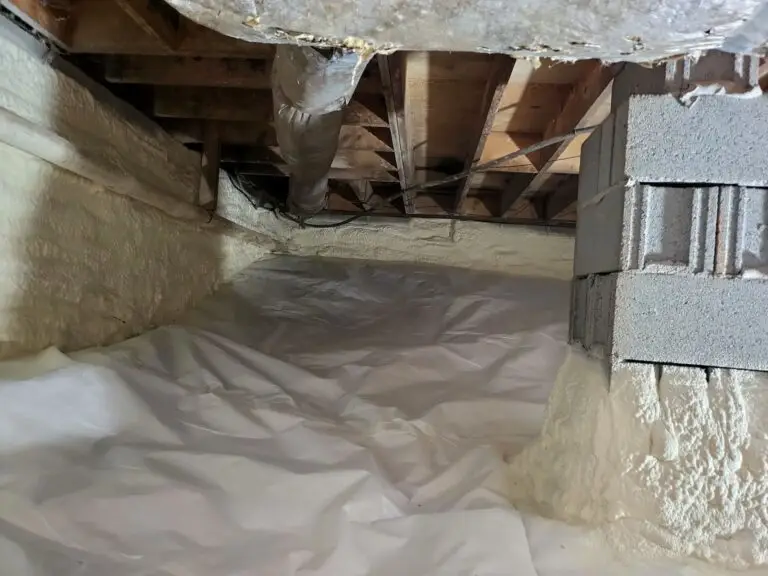
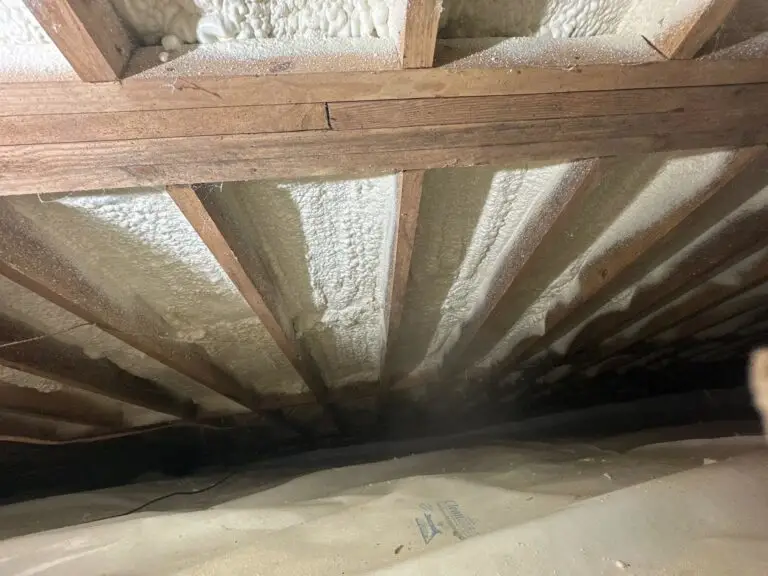
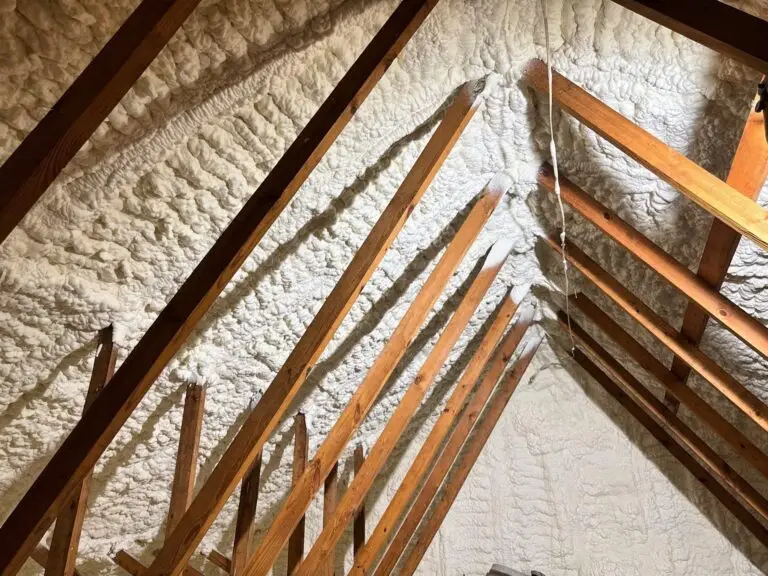
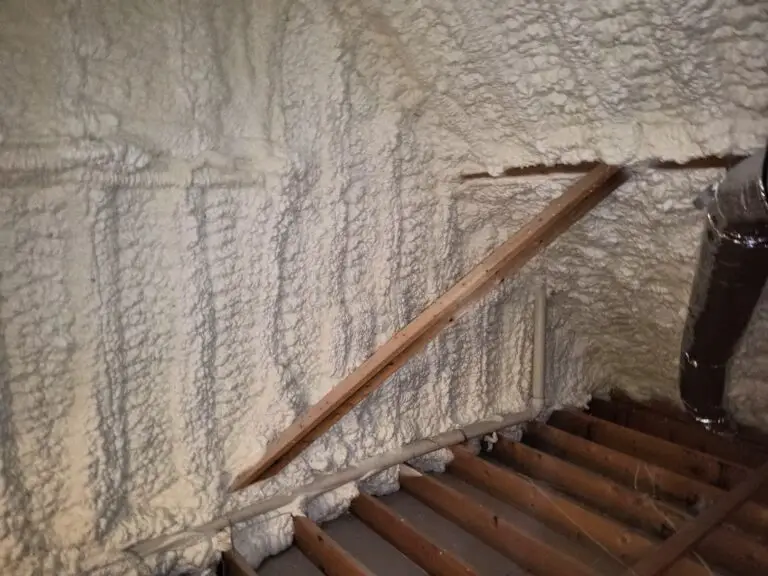
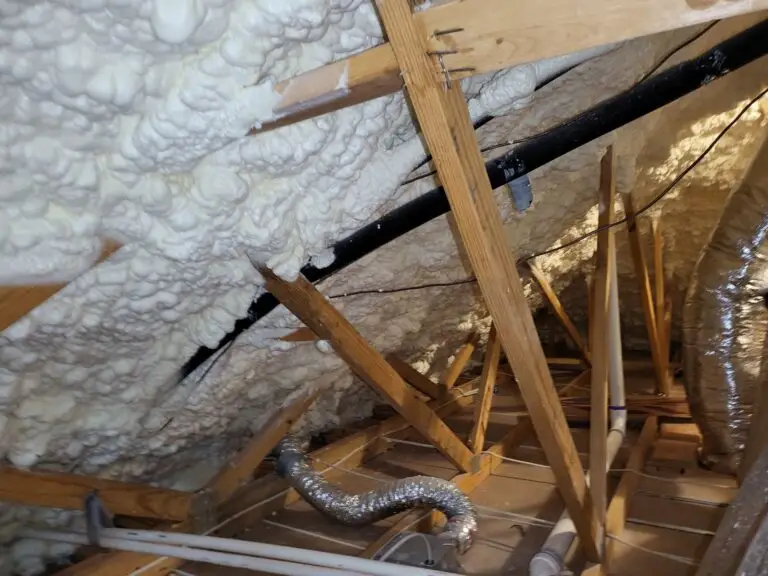
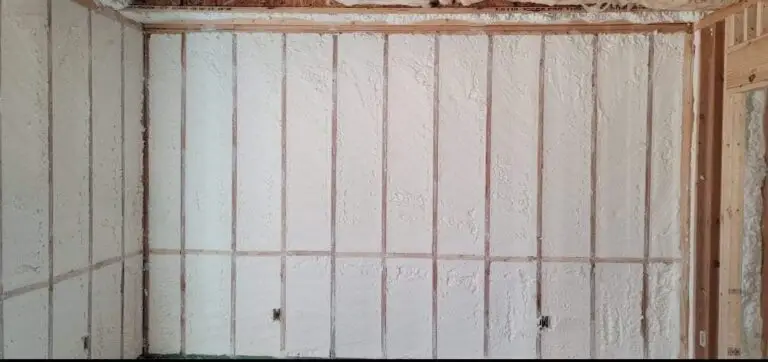
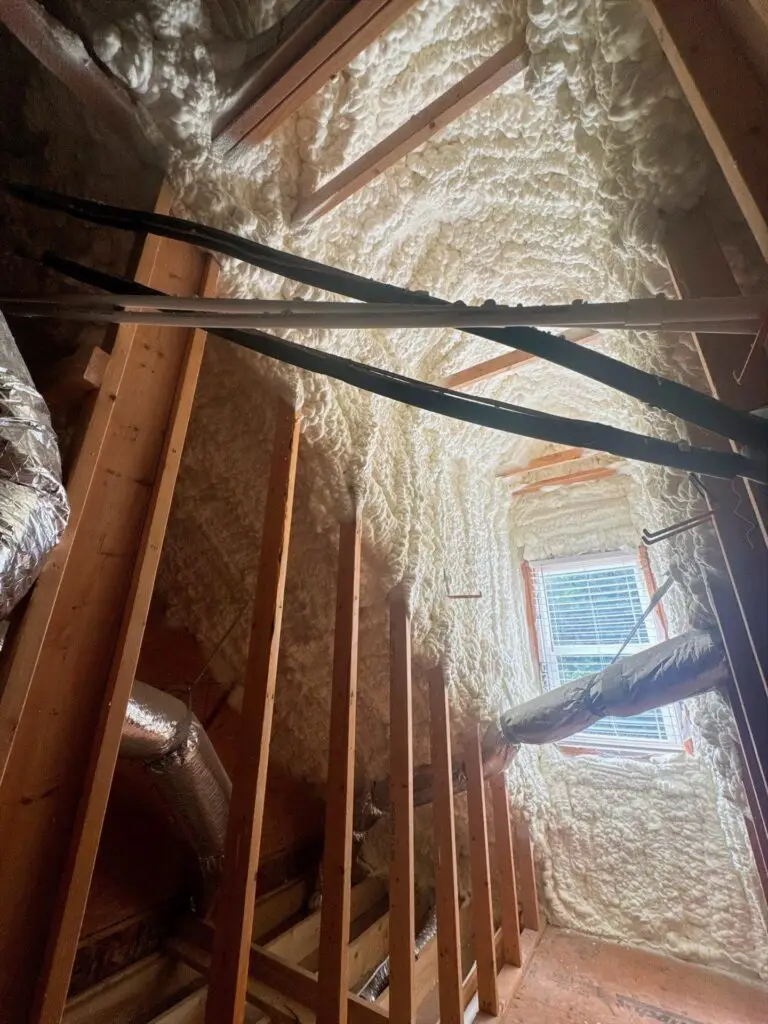
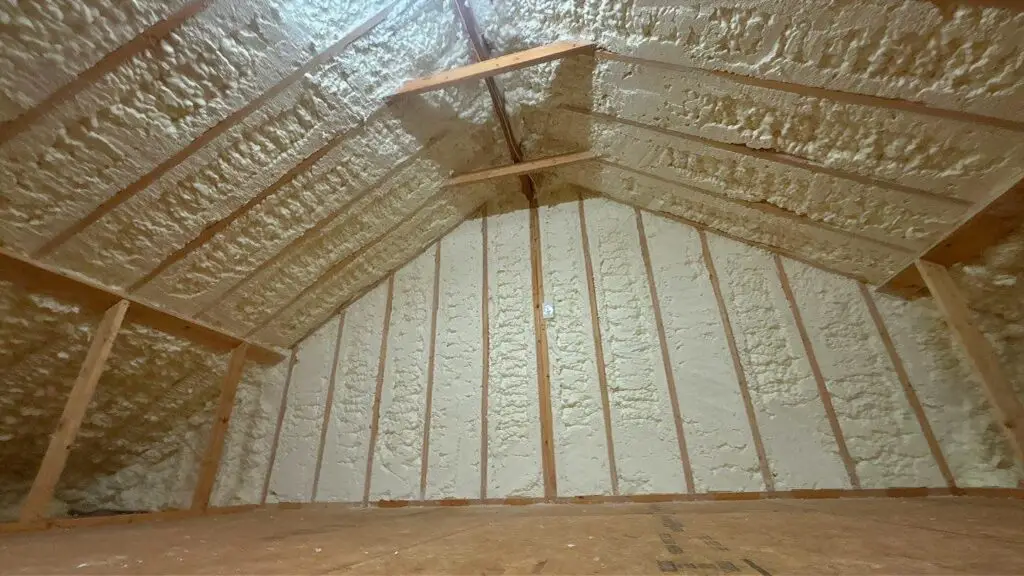
Spray foam insulation is applied as a liquid that expands rapidly into a solid, forming a seamless layer that fills gaps, cracks, and hard-to-reach spaces. There are two main types (open-cell and closed-cell), both delivering outstanding thermal resistance and air sealing.
Blown-in fiberglass insulation involves pumping loose glass fibers into the attic using specialized equipment. The fluffy material settles to create a thick blanket over your attic’s floor or within wall cavities.
Each method has its own pros and cons depending on your home’s needs, budget, and long-term expectations.
Energy Efficiency: Which Method Keeps Your Home Cool in a Georgia Summer?
If your main goal is maximum energy efficiency, spray foam consistently comes out ahead. Because it expands to seal every crevice, spray foam virtually eliminates air leaks, a major culprit for energy loss in Georgia’s hot, humid climate. You’ll notice that your air conditioning system doesn’t have to work as hard during those grueling summers, and your home stays comfortable year-round.
Blown-in fiberglass does a good job slowing heat transfer, but it isn’t air-tight. Tiny gaps will allow air to pass through, which can compromise your energy savings, especially when attic temperatures soar.
For homeowners seeking truly energy efficient insulation, spray foam is the clear winner.
Cost Considerations: What Should You Budget?
Blown-in fiberglass insulation is usually more affordable up front. Installation is quick, and material costs are lower. For homeowners looking to improve insulation on a smaller budget, it can be a practical choice that still delivers decent results.
Spray foam is a bigger investment initially, costing about 10% to 20% more than fiberglass. However, when you factor in the monthly savings on heating and cooling bills, many families see a return on investment within a few years. It’s an investment in comfort, durability, and ongoing energy savings that pays off for decades!
Lifespan and Maintenance: How Long Will It Last?
One of the biggest differences between the two options is how long they last, and how much attention they’ll need as your home ages. Spray foam insulation boasts an impressive lifespan of 80 to 100 years. It doesn’t sag or settle, and it’s naturally resistant to moisture and mold, making it ideal for Georgia’s humid environment. Once installed, it requires little to no maintenance.
Blown-in fiberglass insulation can last about 10 years if kept dry and undisturbed. However, it may settle over time, reducing its effectiveness and leaving attic corners less protected. In areas prone to leaks or humidity, fiberglass can compact and lose its insulation value, sometimes even becoming welcoming to mold and pests.
Installation: Mess, Disruption, and Speed
Both spray foam and blown-in fiberglass installations are relatively quick for professionals, but there are a few differences to keep in mind:
Blown-in fiberglass creates more dust and fibers during installation; you’ll want to be sure areas are properly sealed off and cleaned afterward.
Spray foam insulation installation is a bit more involved, but leaves a completely clean, gap-free area that requires no touching up. The foam sets quickly, and you can expect a professional crew to leave your attic in great shape.
Whenever possible, trust a qualified insulation contractor for trustworthy service.
Issues with Blown-In Fiberglass: What Should You Know?
Blown-in fiberglass brings notable advantages for budget-conscious homeowners, but there are some drawbacks to weigh:
- Air Leakage: It doesn’t stop airflow as effectively as foam, so energy loss can still occur.
- Susceptibility to Moisture: If exposed to humidity or leaks, fibers can clump, sag, and even develop mold.
- Settling Over Time: The effectiveness decreases as the insulation compresses, creating unprotected attic patches.
- Mess and Dust: The loose fibers can become airborne during installation and maintenance, which can irritate allergies and require extra cleaning.
For those wanting long-term, top-tier performance without these concerns, spray foam insulation is often the preferred upgrade!
What’s the Most Effective Attic Insulation for Georgia Homes?
While blown-in fiberglass remains a reliable and cost-effective option, our Greenguard Gold Certified spray foam insulation stands out as the top choice for maximum energy savings, air sealing, and moisture protection, especially in Georgia’s unpredictable climate. It’s the best way to enhance indoor comfort and lower your utility bills over the long term.
If you’re ready to make a smart, informed investment, overspending on your energy bill shouldn’t be your reality. Schedule an attic evaluation with us and discover how new insulation can transform your home’s comfort and efficiency.
Make Your Home an Energy-Efficient Comfort Zone
Choosing the right insulation doesn’t have to be complicated. Think about the factors most important to you: energy savings, budget, long-lasting results, and peace of mind year after year.
Whether you go for blown-in fiberglass or invest in high-performance spray foam, working with an experienced insulation professional ensures you get the tailored solution your attic deserves.
Curious about which option fits your home best? Connect with Epic Spray Foam today for answers, a no-pressure consultation, and a step closer to a more comfortable, energy-efficient home.
Call (833) 362-6489 to schedule your free estimate today!