Should You Install Radiant Barrier In Your Attic?

As energy-efficiency measures have grown in popularity in recent years, many of our customers ask us about radiant barrier, and whether it is the best choice for their attic. Whether you’re building a brand new construction, or simply replacing the roof or attic of your existing home, radiant barrier can complement your insulation to regulate temperature and save you money year-round.

What Is Radiant Barrier?

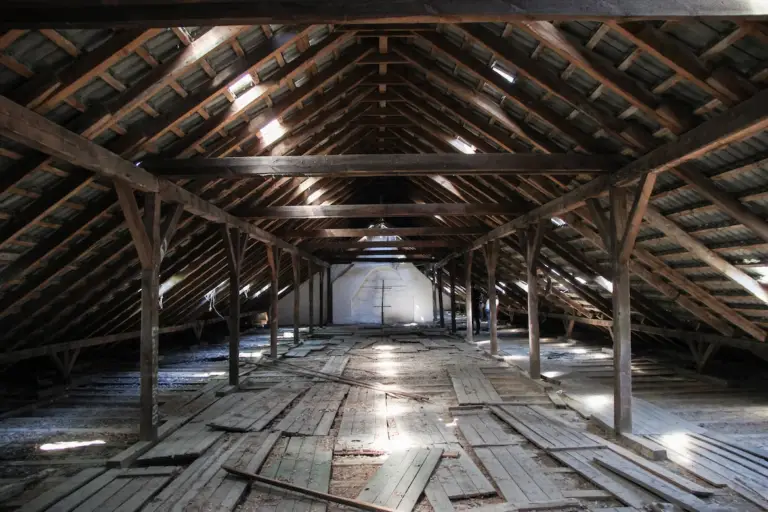
A radiant barrier is a type of building material that reflects thermal radiation and reduces heat transfer. While it is not a substitute for insulation, this thin, mirror-like foil can work together with your insulation to keep your home more comfortable and energy efficient. A radiant barrier is typically installed in an attic with fiberglass installed on the floor. The radiant barrier is installed directly to the roof rafters.

What Are the Energy-Efficiency Benefits of Radiant Barrier?

Keeps Your Home Cool In Summer

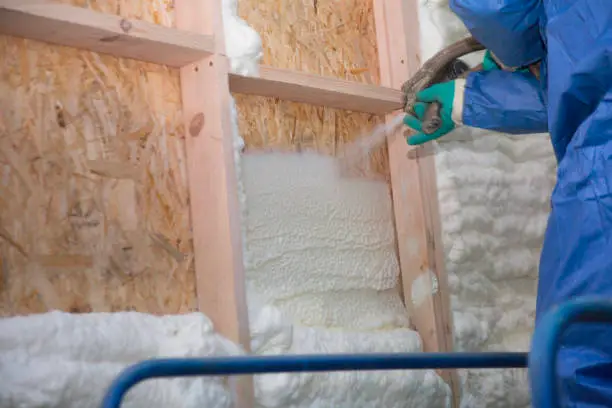
During our many warm days here in Georgia, a home’s attic heats up to the point that too much air is being expelled, and not enough fresh air is coming in from the soffits. This puts a negative pressure on the entire home and the comfortable cool air that is being pumped within it. Outside air begins to get pulled inside from windows, doors, and other openings, increasing indoor humidity. This phenomenon is called the Stack Effect. By encapsulating your attic with a spray foam solution, you can essentially put a “lid” on your home and effectively stop the stack effect, as well as keep excessive moisture and allergens out.

Radiant barriers are also highly effective in warm climates, and can make a great complement to fiberglass insulation, especially when cooling air ducts are located in the attic. Due to its reflective, low-emittance surface, a radiant barrier reflects heat radiation, preventing transfer from one side of the barrier to another. According to the Department of Energy, radiant barriers can reduce cooling costs by as much as 5-10% in the warmer months.

Keeps Your Home Warm in Winter

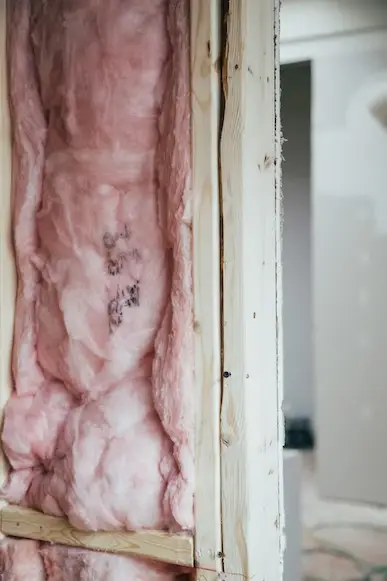
While radiant barriers are best known for their benefits in hot climates, they can also help keep warm air in during the colder months. These barriers work especially well with fiberglass insulation, because it already has a high R-value.cSpray foam insulation has the ability to block outside air and moisture, keeping an attic clean, dry, and comfortable throughout the coldest months of the year.

Should a Radiant Barrier be Installed?

With all the advancement in the technology of spray foam insulation in recent years, radiant barrier is not essential. In our experience, by the time a homeowner pays for the additional cost of a radiant barrier installation, they could have received a much better return on their investment with spray foam alone. For this reason, we very rarely suggest radiant barrier after assessing a new construction or existing home.

Let Epic Spray Foam Assist In Your Energy-Efficiency Efforts

The combination of spray foam insulation and an encapsulated attic can be a match made in energy-efficiency heaven! The two systems can work together to create a more environmentally-friendly and cost-effective solution to keep your home at a comfortable temperature in all seasons. However, while radiant barriers really are yesterday’s technology, spray foam is here now and for the future!

The effectiveness of both spray foam insulation and radiant barrier depends on proper installation, so it’s best to use a dependable and experienced professional. As a leading insulation contractor in Georgia, Epic Spray Foam is committed to excellent quality, service, and safety. We can complete a free on-site assessment of your property and provide a recommendation tailored to your home’s unique insulation needs.

Give us a call at (833) 362-6489 to schedule your free estimate today!
Spray Foam on Existing Walls

Spray Foam on Existing Walls

Are you tired of feeling the chill in your home during winter? Or maybe you’re fed up with the high energy bills that come with trying to keep your home cool during hot summers. An effective solution is available to help with both issues: spray foam insulation on existing walls. This innovative insulation method is becoming increasingly popular among homeowners

Read More
attic insulation

How Much Insulation Do I Need In My Attic?

If you’re wondering how much insulation you need in your attic, you’re not alone. It’s an important question to ask, as the right amount of insulation can make a big difference in your home’s energy efficiency and comfort. Insulating your attic is an essential step in making your home as energy-efficient as possible. The right amount of insulation can reduce

Read More
What Is Insulation

What Is Insulation?

Insulation is a critical element of any home or business structure. It is essential to understand what insulation is and how it works to utilize it to its fullest potential. Insulation is an effective way to reduce energy costs, increase comfort levels, and protect the environment. It helps regulate temperatures, maintain safety and cleanliness, reduce noise, and conserve energy. In

Read More
Spray Foam Insulation for Your Basement

Spray Foam Insulation for Your Basement

Are you looking for a way to improve the energy efficiency of your home? Spray foam insulation for your basement might be the answer. Spray foam insulation is an effective and efficient way to help regulate the temperature in your basement and keep this space more quiet, safe, and comfortable.  With so many benefits for areas throughout a structure, it’s

Read More
image 4

Pros and Cons of Spray Foam Insulation

Spray foam insulation has been available to homeowners since1986. This product is utilized in a wide variety of new infrastructure projects because of its advantages in terms of comfort and energy savings.  Attics can be converted with a functional addition that reduces utility expenses and makes a house feel more like a home. Poor insulation can be improved, and the

Read More
sprayfoamvsblowninsulation (1)

Spray Foam vs. Blown-In Insulation​​

When it comes to home insulation, you have a lot of options. Both blown-in insulation and spray foam are terrific ways to keep your home warm in the winter and cool in the summer. Finding the right one is right for your home will depend on several factors: Depending on your answers to these questions, one type of insulation may

Read More

3 Important Safety Questions to Answer Before Starting Your Spray Foam Insulation Project 

Whether you’re considering spray foam insulation for your new construction, or you’re thinking about upgrading the insulation in an already existing building, it’s important to do your research on the front end. After all, the type of insulation you choose will impact not only your monthly energy bills and overall property resale value, but also the cleanliness, safety, and comfort

Read More

Spray Foam Insulation vs. Batt Insulation

When it comes to improving your home’s energy efficiency, you have many different options. Both spray foam insulation and batt insulation can be great ways to reduce energy costs while also keeping your home comfortable year-round. When choosing between these two insulation types, however, you’ll need to consider a variety of factors before making a final decision. This article will

Read More

Spray Foam R-Value – What You Need To Know

The performance of insulation is measured by its R-value (heat resistance). The higher the R-value, the better the insulating properties of the material. For example, materials with high R-values resist heat and keep it from transferring through a wall or ceiling. Many different types of insulation are on the market today, but one that continues to grow in popularity is

Read More

Why Does My AC Run All of The Time?

Most Georgia homeowners have experienced one or two hot days where the humidity level is high, the sun is shining bright, and the temperature is HOT. On days like those it’s not uncommon for your HVAC unit to be put to the test to keep your home cool (or at least not sweltering). If you notice your HVAC unit is

Read More