If you’re planning an insulation project in 2026, you are probably seeing a wide spread of prices online. The reason for this is that costs shift with material type, square footage, access points, removal needs, and the complexity of the project.
This pricing guide breaks down realistic ranges for common Metro Atlanta projects, so you can plan with confidence, ask the right questions, and avoid surprises.
What drives insulation pricing?
Several factors set the price of your job. The more of these that apply, the higher your total will trend.
- Square footage and thickness, larger areas and higher target R-values use more material and time
- Access and setup, tight attics, steep roofs, and limited parking or staging areas add labor
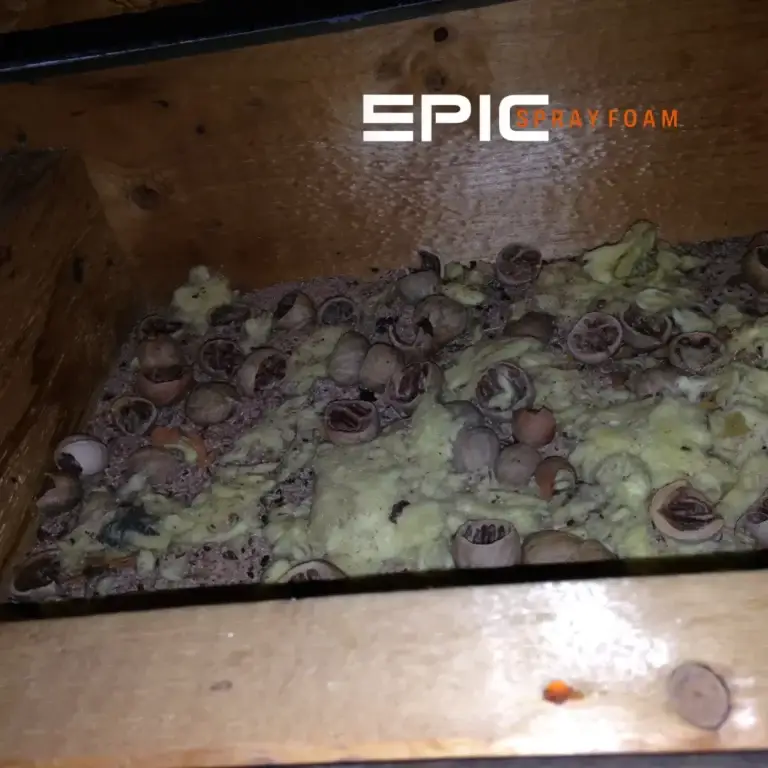
- Removal and disposal, old or contaminated insulation must be removed before foam, and hauling takes time
- Foam type and system design, closed-cell costs more than open-cell, and hybrid systems may involve multiple steps
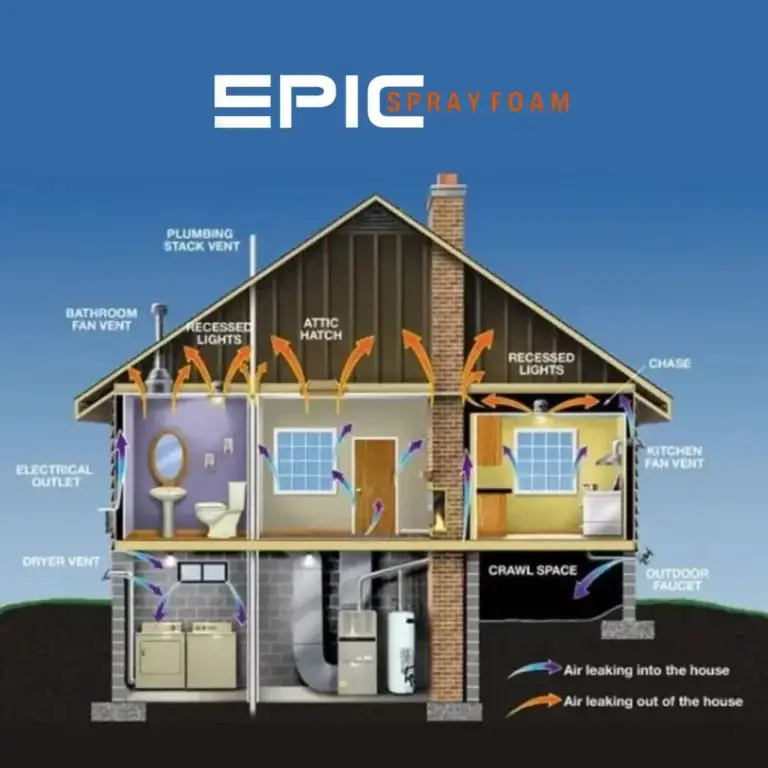
- Complexity, lots of ductwork, vaults, skylights, chimneys, and penetrations require careful detailing
- Prep and protection, quality contractors protect floors, bag debris, and leave the space clean; that adds value and labor
A professional crew that preps thoroughly and cleans up completely protects your home and your HVAC equipment. Many homeowners tell us the difference is obvious the minute they walk the house after their install.
Attic Blown-in Fiberglass to R-38
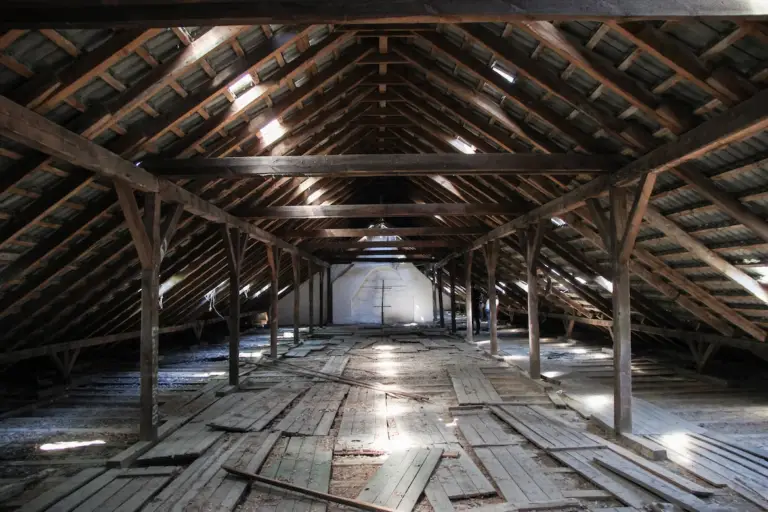
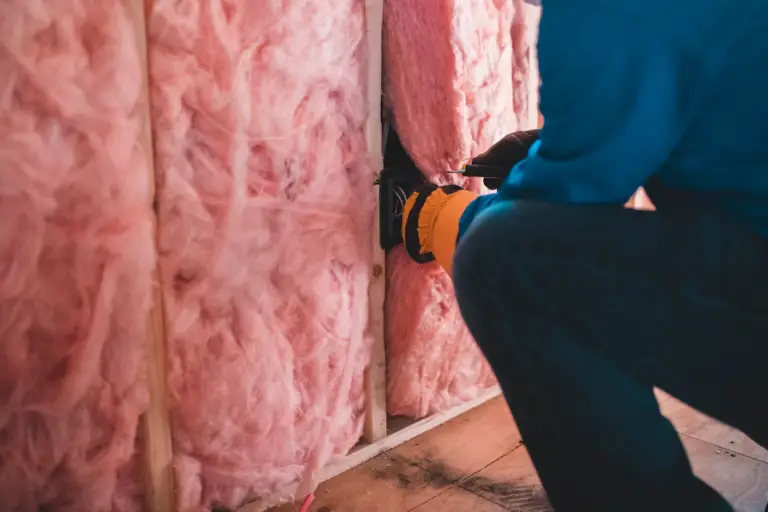
For many existing homes, topping the attic floor with blown-in fiberglass to reach about R-38 is a cost-effective upgrade that keeps attic ventilation intact and avoids changing the roofline.
- Typical range for 1,000 sq ft, roughly $1,500 to $2,000, depending on the current level of your insulation, access, baffles, air sealing, damming, and any light removal
- Typical range for 2,000 sq ft, roughly $3,000 to $4,000, larger attics often require more staging, air sealing, and depth checks
This option is common when your attic has accessible decking and you want a quick path to code-level R-values. If you have extensive old insulation that needs full removal or rodent cleanup, expect an additional line item for bagging and disposal.
Open-Cell Spray Foam on the Attic Roofline
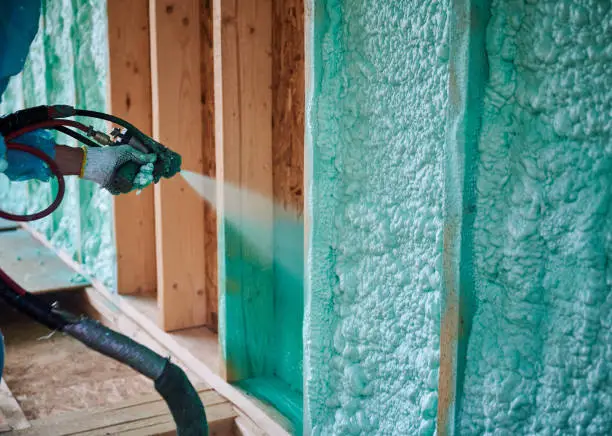
Open-cell foam is often used to create a conditioned, unvented attic by insulating the roof deck. It provides strong air sealing and sound dampening at a lower cost than closed-cell.
- Typical range for 1,000 sq ft of roof deck, roughly $4,000 to $5,500, with variations for pitch, framing depth, and foam thickness. This includes the removal of the old insulation.
- Typical range for 2,000 sq ft of roof deck, roughly $8,000 to $11,000, complex geometries and skylights increase labor. This includes the removal of the old insulation.
This approach can bring ducts into conditioned space and reduce extreme summer attic temperatures. If your attic contains old floor insulation, best practice is removal to prevent moisture traps and to allow proper inspection and air movement within the newly conditioned volume.
Closed-Cell Crawl Space Encapsulation
Closed-cell foam excels in moisture-prone spaces. In crawl spaces, it is typically paired with a continuous floor vapor barrier, sealed vents, and drainage or dehumidifier tie-ins as needed.
- Typical range for 1,000 sq ft crawl space, roughly $4,000 to $7,500, scope varies based on height, debris removal, rim joists, and mechanical tie-ins
- Typical range for 2,000 sq ft crawl space, roughly $8,000 to $11,500, taller or segmented crawl spaces require more time and material
Encapsulation is one of the most transformative upgrades for comfort and health. Homes often see lower humidity, fewer pests, and more stable floors when foundation walls are foamed and the ground is sealed.
New Construction Wall Applications
In new builds or major additions before drywall, foam can be tailored by area. Many builders combine open-cell in walls with closed-cell in moisture-prone areas.
- Open-cell wall cavities, rough range of $1.15 to $2.05 per sq ft of wall surface, influenced by stud depth, blocking, and penetrations
- Closed-cell wall cavities, rough range of $3.00 to $6.00 per sq ft of wall surface, chosen for higher R per inch and moisture control
For an average sized new home, total insulation cost depends on the mix of materials and whether the attic is roofline foamed or insulated at the ceiling plane. New construction is the best time to capture long-term efficiency since access is straightforward and every cavity is open.
What does 1,000 or 2,000 square feet cost?
Because the question comes up often, here is how to think about it without overpromising fixed amounts:
- How much is 1000 square feet of insulation, blown-in fiberglass to R-38 in a simple attic often lands near $1,500 to $2,000. Open-cell roofline projects can be $4,000 to $5,500 or more for that same footprint. Crawl space encapsulation commonly ranges $4,000 to $7,500 when closed-cell foam is included.
- How much does 2000 sq ft of insulation cost, blow-in may be $3,000 to $4,000 for R-38 in a straightforward attic; open-cell roofline can be $8,000 to $11,000; crawl space encapsulation with closed-cell foam may reach $8,000 to $11,500 depending on conditions.
**These are working ranges, not quotes. On-site inspection is the only way to price accurately.**
FAQs: Straight Answers to Common Questions
- How much should insulation installation cost?
It should reflect the material, thickness, square footage, access, and the level of prep and cleanup. Be cautious of unusually low bids that skip removal, sealing, or protection. A detailed scope that lists prep, protection, product, thickness, and cleanup is a positive sign.
- How much does the average insulation job cost?
In Metro Atlanta, many attic projects fall between $1,500 and $12,000 depending on type and size, with crawl spaces trending in the mid to higher side of that range. Small maintenance add-ons may be on the lower end of $1,500 to $3,000. Whole-home new construction packages will start around $9,000 and can range up to $30,000 depending on size, material types selected, and level of difficulty.
- How much does it cost to have someone insulate an attic?
Blown-in fiberglass often ranges from $2,000 to $4,500 for moderate-size attics to $5,000-$8,000 for larger or more complex spaces. Roofline spray foam typically runs higher because it transforms the attic into a conditioned space and requires more specialized equipment, safety steps, as well as old insulation removal.
Is Insulation Worth the Investment?
Insulation seems simple, but high-performance results rely on skilled labor, specialized equipment, code-compliant materials, and time. Closed-cell foam, for example, is a premium product with high R-value per inch and moisture control benefits. Projects that include removal and disposal, ventilation changes, vapor barriers, and detailed sealing around chimneys, lights, and ducts take careful work. The right team protects floors, bags debris, and leaves the home clean. That professional process adds cost, but it also delivers lasting comfort, energy savings, and a safer building envelope.
How Professional Prep and Cleanliness Add Value
- Protection, floors, stairs, and walkways are covered and kept clean; registers and fixtures are shielded
- Removal, old or contaminated insulation is bagged and hauled away so new materials adhere and perform
- Detailing, baffles, air sealing, and careful trimming around penetrations maintain ventilation paths and prevent gaps
- Cleanup, the space is vacuumed and ready for service access, making post-job maintenance easier
Most homeowners only see foam trucks once. Choosing a crew that treats your home like their own pays off for years through comfort, lower humidity, and better HVAC performance.
Ready for Clear Numbers and An On-Site Plan?
If you live in Metro Atlanta or North Georgia and want a line item quote tailored to your home, schedule a visit. Our team at Epic Spray Foam provides free on-site estimates, honest recommendations, and careful jobsite protection.
If you are comparing options, you may find these resources helpful too, especially if you are exploring attic solutions like attic encapsulation or considering materials such as blown-in fiberglass insulation.
Give us a call at 833-362-6489 to schedule your free assessment today!