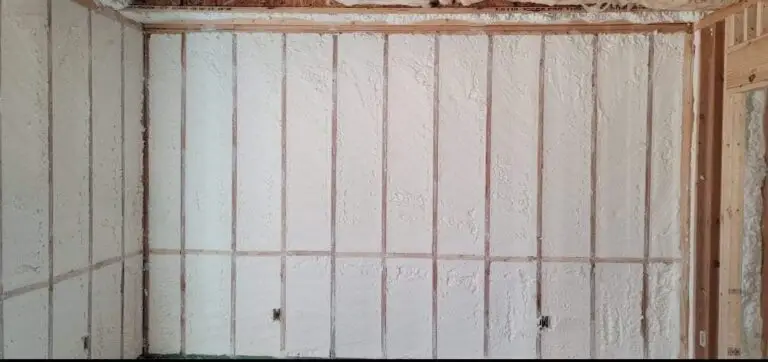
Fiberglass is popular for a reason. It is affordable, easy to install, and widely available. But if your home still relies on older fiberglass batts or thin layers of blown-in fiberglass, you might be feeling drafts, uneven room temperatures, or noticing higher energy bills.
This guide explains the most common fiberglass insulation problems, how to spot them, and smart upgrades that protect your home, your health, and your budget.
The biggest problem with fiberglass insulation
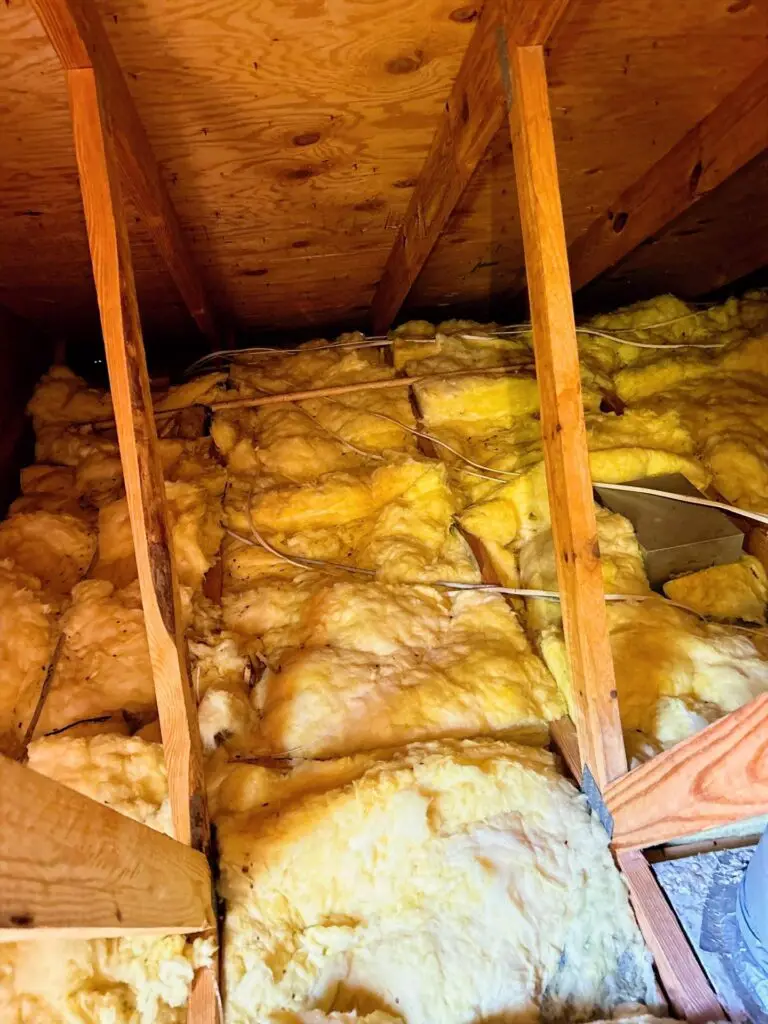
The most common performance issue is air leakage. Fiberglass slows heat transfer, but it does not seal air. If outside air can move through gaps around can lights, top plates, attic hatches, rim joists, or wiring penetrations, your conditioned air escapes and unfiltered air slips in. That airflow undermines fiberglass R-value and invites humidity and dust into your home.
Two related problems compound the issue:
- Settling and compression: Over time, batts slump and loose fill can settle. Even small voids over wall top plates and in attic corners act like chimneys for hot or cold air.
- Moisture absorption: Fiberglass does not absorb water like a sponge, but it can trap and hold moisture within its fibers or against wood. High humidity, roof leaks, or vented crawl spaces can leave fiberglass damp. Damp insulation loses R-value and contributes to mold risk on nearby surfaces.
When these three problems combine, comfort drops and your HVAC works harder than it should.
How long fiberglass insulation lasts
Manufacturers often suggest fiberglass can last several decades under ideal conditions. In real homes, performance usually declines much sooner. Expect meaningful degradation within 10 to 20 years due to dustloading, wind washing in attics, pest disturbance, and routine settling. If moisture enters the picture, effectiveness can drop in a single season.
Lifespan is best measured by performance, not age. If your home feels drafty, your insulation is not doing its job, regardless of its calendar age.
Signs you need new fiberglass insulation
You do not need to climb into the attic to suspect an insulation problem. Watch for:
- Uneven temperatures from room to room, especially upstairs during summer
- AC or furnace cycling more often than it used to
- Dusty indoor air, increased allergy symptoms, or that musty odor after rain
- Ice dams in winter or overly hot attic spaces in summer
- Higher energy bills without a change in thermostat habits
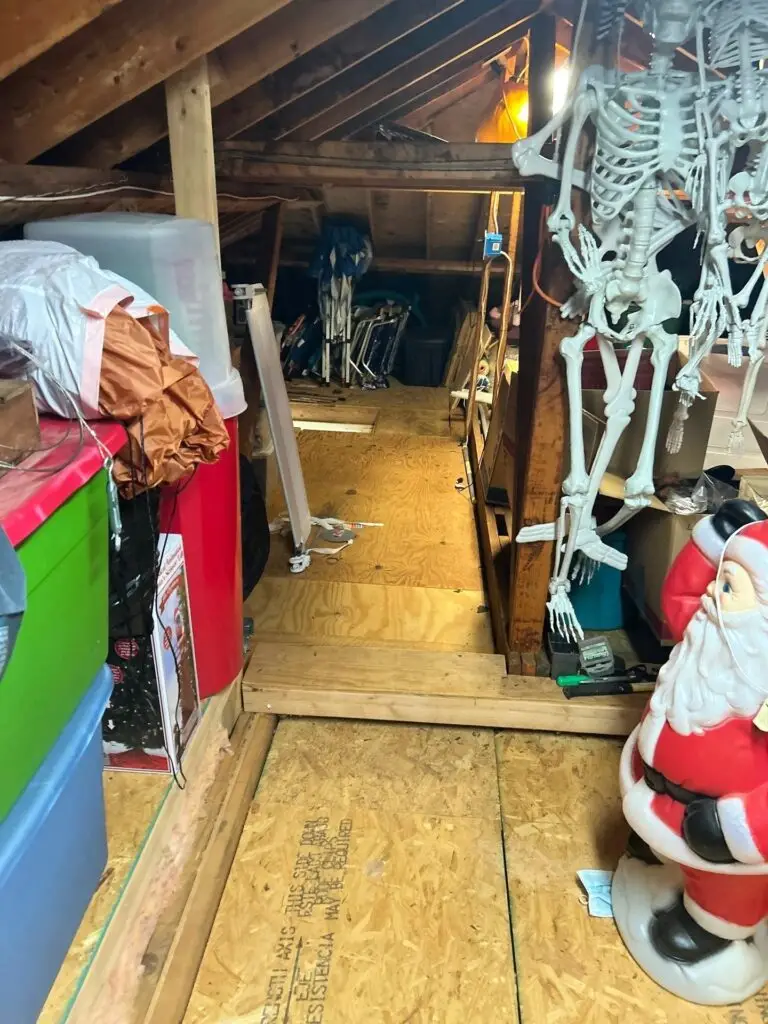
- Visible clues, if you do look: low or uneven coverage, gaps around attic edges, dark streaking from air movement through insulation, or damp spots
In crawl spaces, fiberglass batts that sag from the subfloor, show discoloration, or feel damp are clear red flags. In walls, it is tougher to see, so comfort and utility bills become your best indicators.
How to avoid the most common fiberglass issues
You can reduce risk and improve performance with a few practical steps:
- Air seal first: Before adding insulation in an attic, seal penetrations around lights, plumbing stacks, top plates, and chases. Caulk and foam go a long way.
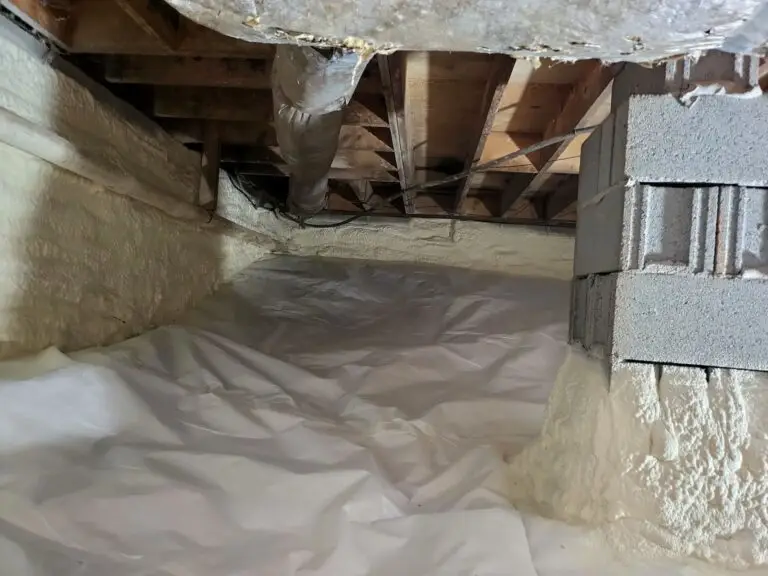
- Control moisture: Fix roof leaks quickly, vent baths and kitchens outside, and consider dehumidification in damp seasons. In crawl spaces, encapsulation with a sealed vapor barrier and conditioned air or dehumidification is a major upgrade.
- Choose the right product and application: Blown-in fiberglass usually outperforms batts in attics because it fills irregular spaces more evenly. Install to the correct depth for your climate target, often R-38 or more in North Georgia.
- Keep ventilation balanced: In vented attic systems, proper soffit and ridge ventilation helps limit moisture and wind washing. Ensure baffles are installed at eaves to protect insulation depth.
The best upgrade for old fiberglass insulation
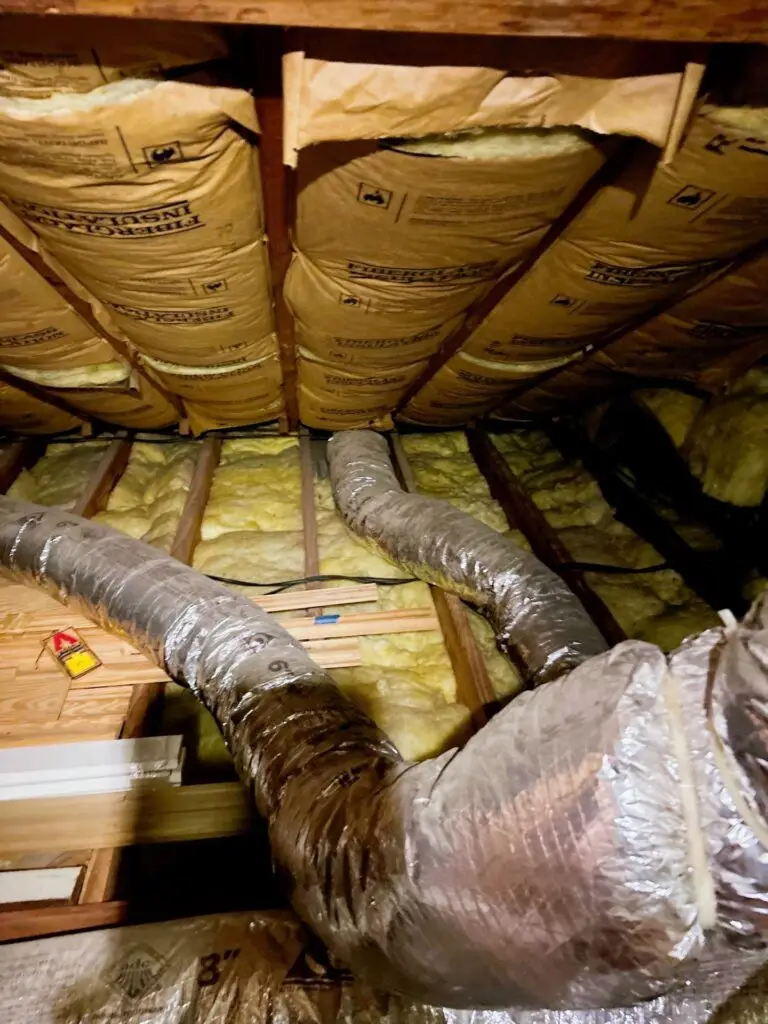
If you want a fast, cost-conscious improvement, add blown in fiberglass insulation over settled areas after air sealing. This raises R-value and can reduce HVAC strain right away.
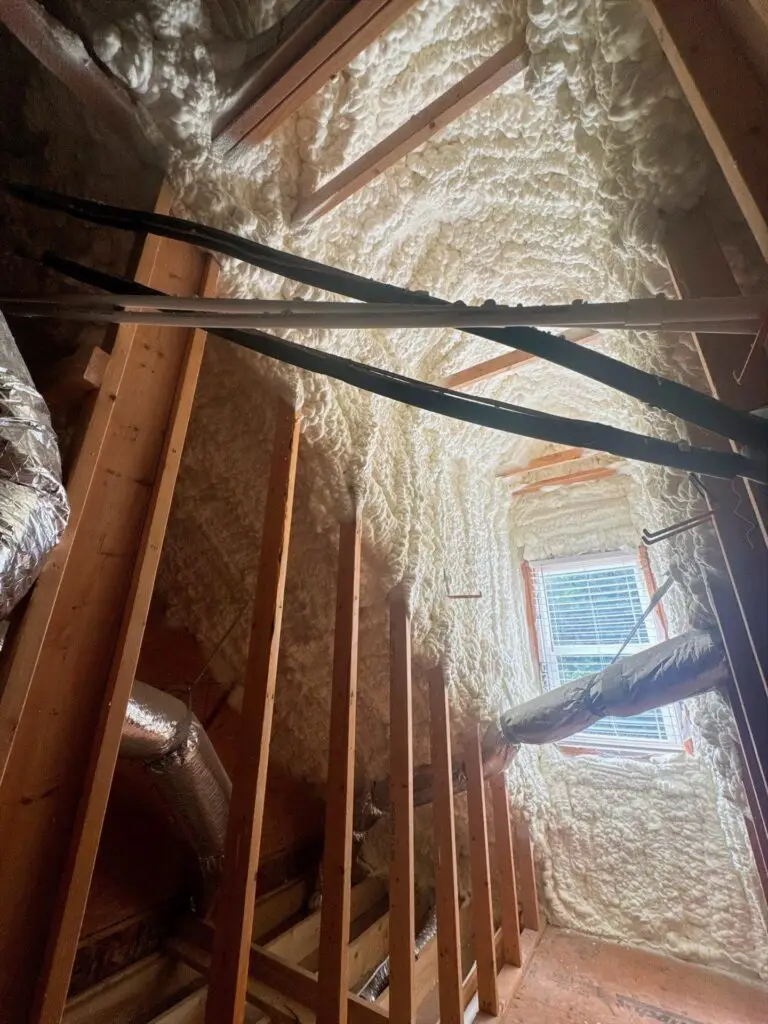
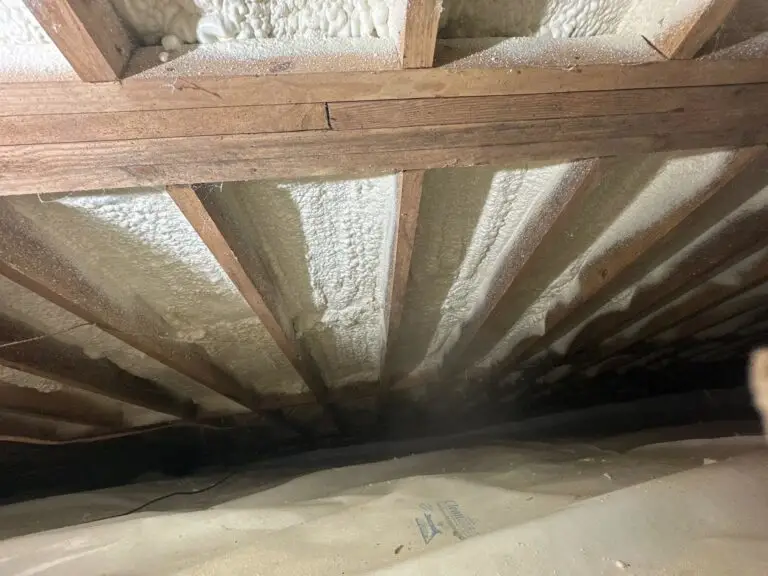
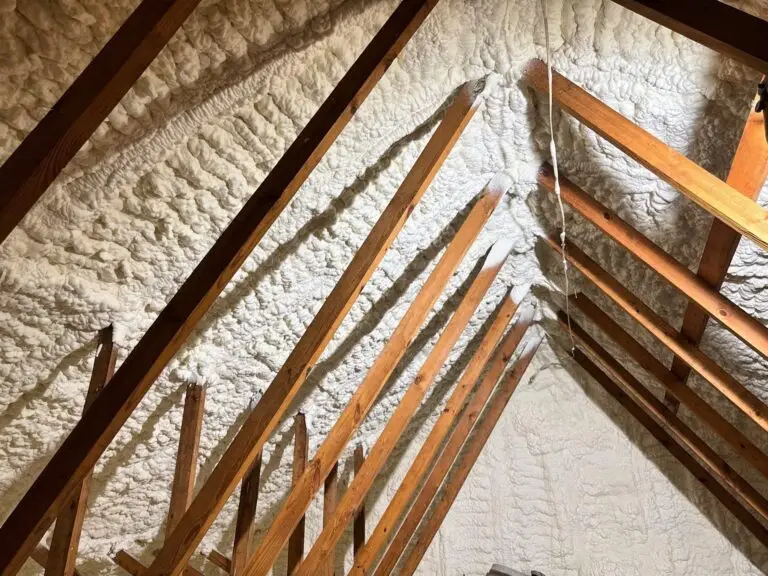
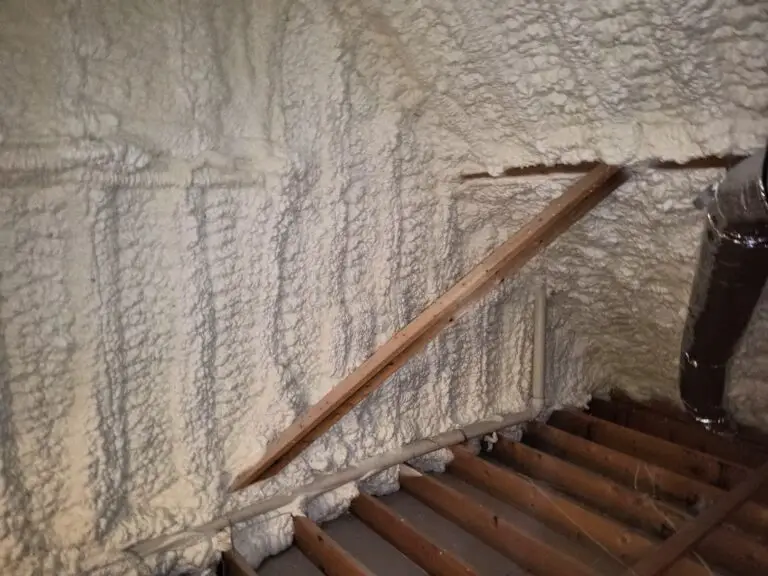
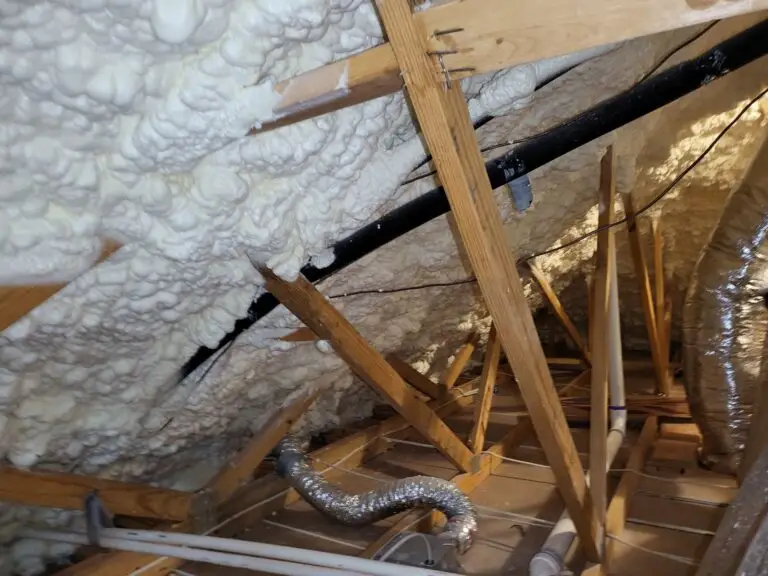
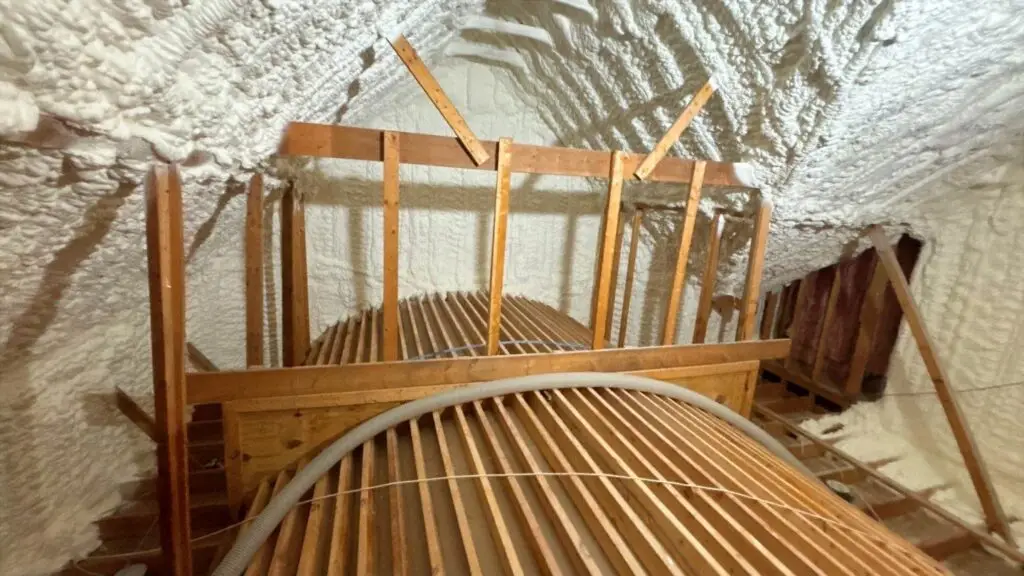
If you want the most complete solution, upgrade to spray foam. Spray foam performs two jobs at once, it insulates and it air seals. Closed-cell foam adds a moisture barrier and very high R-value per inch, which is ideal for crawl spaces, rim joists, and rooflines. Open-cell foam is excellent inside conditioned spaces like attic roof decks and walls. When installed correctly, spray foam resists settling and maintains its performance for decades.
Epic Spray Foam never sprays over old insulation. We remove compromised material first, then install foam for a clean, continuous seal that addresses energy loss, humidity control, and dust infiltration at the same time.
Health and comfort benefits you can feel
Air leakage brings more than hot and cold spots. It carries pollen, outdoor pollutants, and moist air into the home. That can worsen allergies, increase indoor dust, and elevate the risk of mold where damp air contacts cool surfaces.
By sealing the building envelope and controlling humidity, you support healthier air and a more consistent temperature throughout the house. Many homeowners notice they stop fiddling with the thermostat and rooms feel calm and quiet.
When to choose blown-in fiberglass vs. spray foam
- Choose blown-in fiberglass if your attic has decent ventilation, you are on a tight timeline, and you primarily need more R-value after sealing key leaks. It is a quick way to bring an attic up to code levels and see immediate comfort improvements.
- Choose spray foam if you want a long-term, low-maintenance solution that seals air movement, fights moisture, and delivers the biggest energy savings. It is the best choice for problem crawl spaces, complex rooflines, and homes with persistent hot or cold rooms.
If you are planning an upgrade, our team can help you weigh costs and benefits for your home. We handle removal, air sealing, foam application, and, when appropriate, blown-in top offs.
Choose Epic Spray Foam for Expert Insulation Services and Lasting Comfort
Fiberglass insulation can work, but air leakage, settling, and moisture exposure chip away at performance over time. If you are noticing uneven temperatures, rising utility bills, or musty odors, it is time to assess your insulation.
Air sealing plus a fresh layer of blown-in fiberglass is a smart, budget-friendly fix for many attics. For the most durable upgrade with the biggest energy and air quality gains, spray foam creates a tight, well-insulated envelope that lasts.
If you are comparing options, start with a simple inspection and a clear plan. Epic Spray Foam serves homeowners across Metro Atlanta with blown-in fiberglass, spray foam for attics and crawl spaces, and full removal and replacement. Get expert guidance tailored to your home and goals, from quick comfort boosts to comprehensive upgrades that stand the test of time.
Call (833) 362-6489 to schedule your free estimate today!