Closed-Cell Spray Foam for Block and Concrete Walls: Benefits, Uses, and Limitations

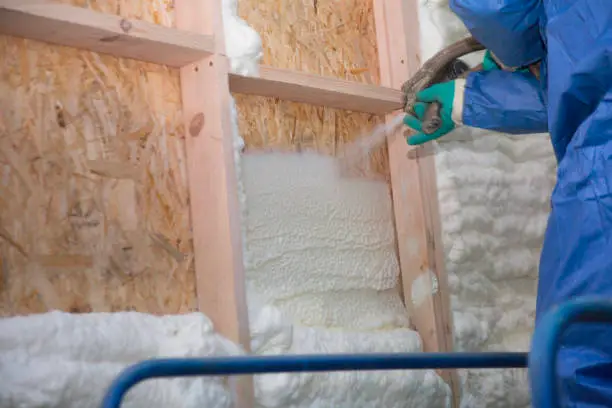
When it comes to insulating block walls or concrete walls, closed-cell spray foam is one of the most effective solutions available. Many residential and commercial property owners are turning to closed-cell spray foam insulation for its ability to improve energy efficiency, add strength, and provide long-term protection. 

But is this the right choice for your project? Let’s take a closer look at what closed-cell spray foam accomplishes, when you should consider it, and when it may not be the best option.

What Does Closed-Cell Spray Foam Do for Block and Concrete Walls?

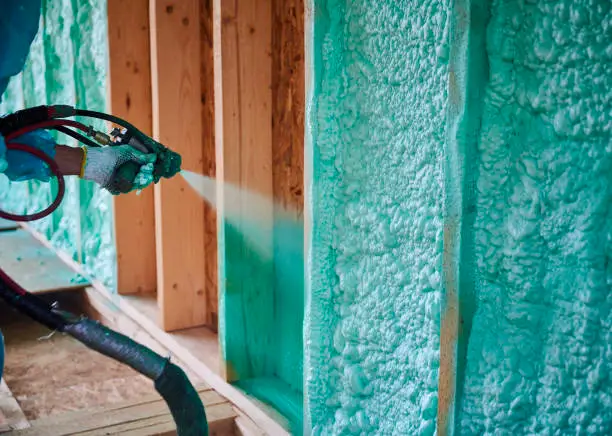
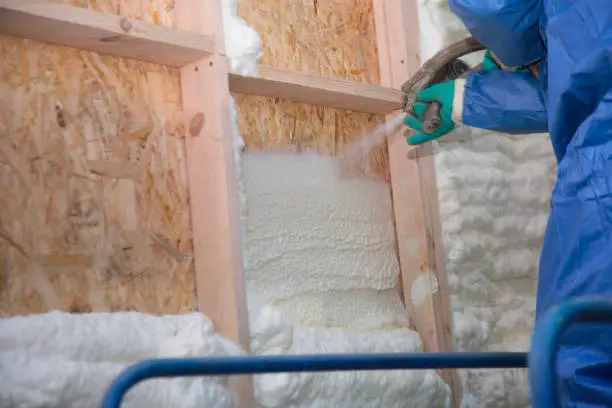
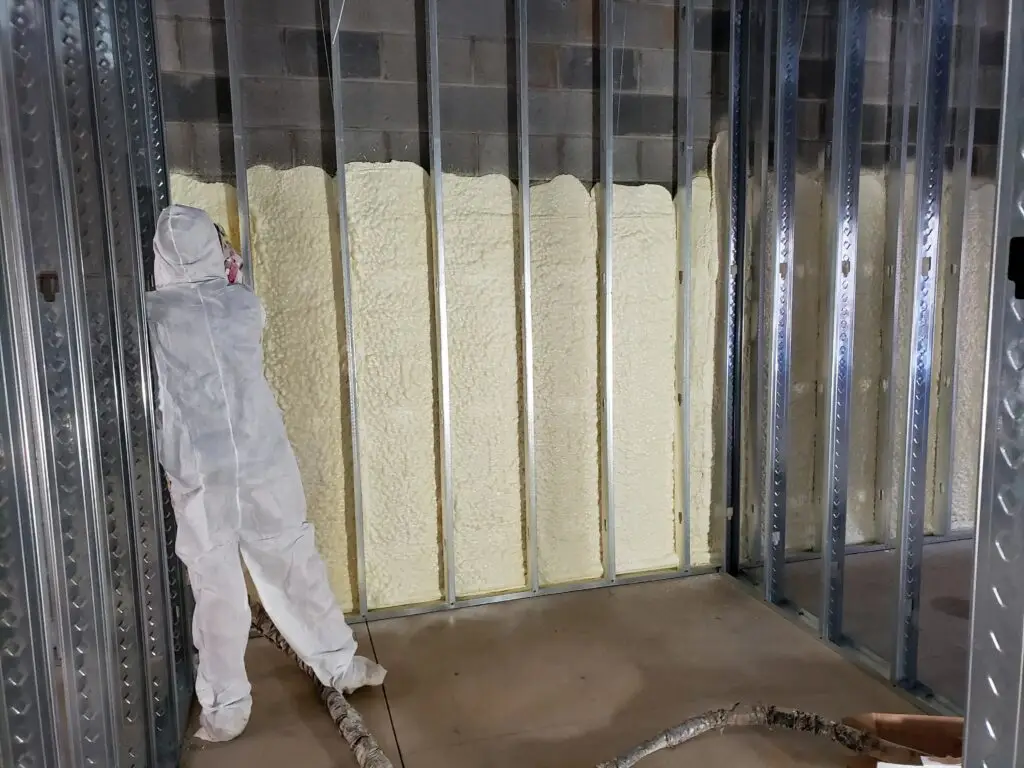
Closed-cell spray foam insulation is much denser than open-cell spray foam and has a higher R-value per inch. When applied directly to block walls or concrete walls, it provides several key benefits:

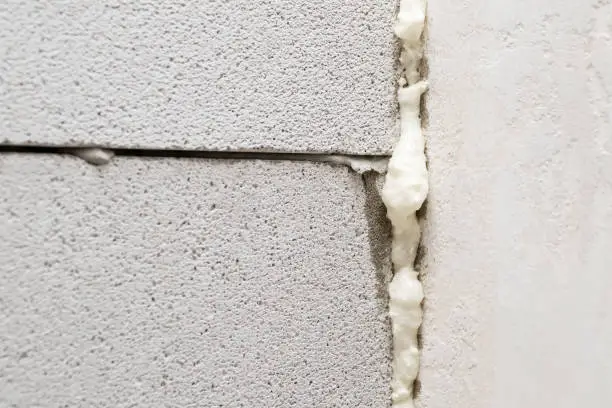
  • Air sealing and moisture control: The foam fills cracks, gaps, and pores in the masonry surface, reducing air leakage and helping to keep moisture out. This makes it ideal for basements, crawl spaces, and other areas prone to dampness.
  • High insulation value: With an R-value of about 6 to 7 per inch, closed-cell spray foam provides excellent thermal resistance. This helps keep indoor temperatures consistent while lowering heating and cooling costs.
  • Structural reinforcement: Closed-cell spray foam hardens after application, which can add strength to walls and increase overall durability and structural integrity.
  • Barrier against mold growth: By controlling moisture infiltration, spray foam reduces the risk of mold and mildew inside the walls.
block wall

When Should You Consider Closed-Cell Spray Foam for Block or Concrete Walls?

This type of insulation is particularly useful in certain situations:

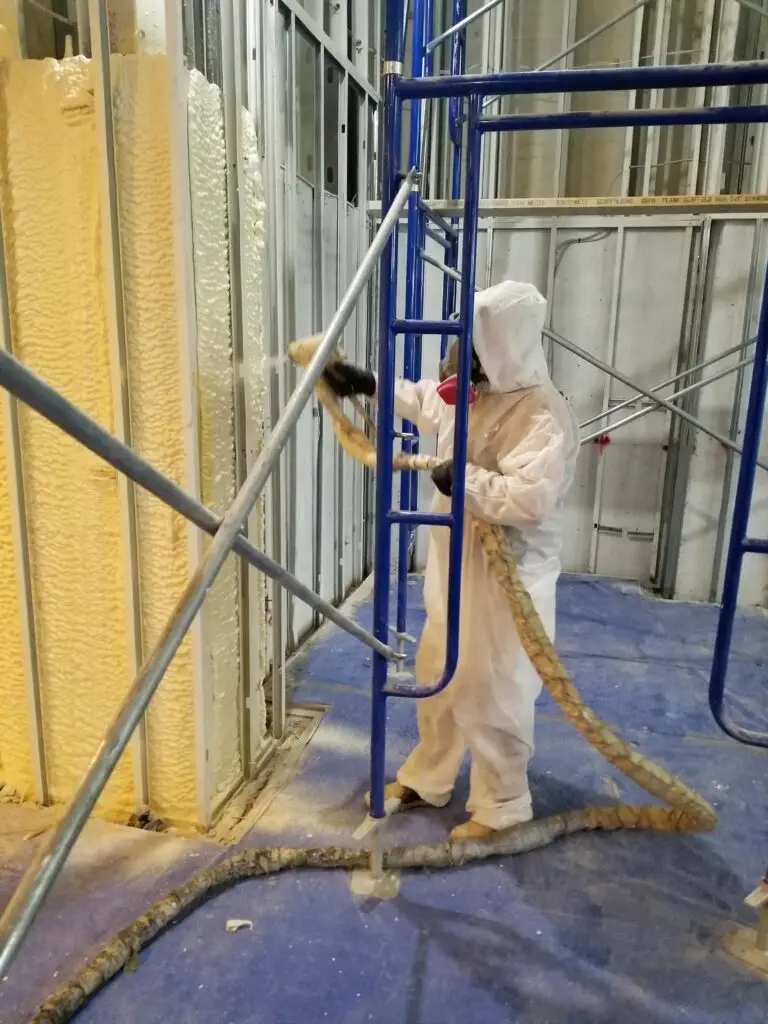
  • Basements and below-grade walls: Concrete and block walls are naturally porous. Spray foam creates a moisture barrier that helps keep basements dry and comfortable.
  • Commercial buildings: Many commercial properties use block walls that require added insulation and air sealing to meet modern energy codes.
  • Garages and workshops: Closed-cell spray foam helps keep these spaces more comfortable while protecting tools, vehicles, and equipment from humidity.
  • Energy efficiency upgrades: If you are remodeling or improving your home’s insulation, spray foam on masonry walls can make a significant difference in reducing energy loss.

When Should You Not Use Closed-Cell Spray Foam on Block or Concrete Walls?

While closed-cell spray foam insulation is highly effective, there are a few cases where it may not be the right fit:

  • Historic or preservation projects: In older homes or buildings where the masonry must remain unaltered, closed-cell spray foam may not be suitable.
  • Budget limitations: Closed-cell spray foam is a bigger up-front investment than fiberglass or blown-in insulation (though it is more cost-effective over time). If cost is the main concern, another insulation method may be preferred.
  • Walls that need to breathe: Some masonry structures require moisture to move through the wall to prevent long-term issues. In these cases, blocking the pores with closed-cell spray foam could create future problems.
concrete wall

Is Closed-Cell Spray Foam Right for Your Project?

If you want maximum energy efficiency, moisture protection, and long-term durability, closed cell spray foam insulation is one of the best options for block walls and concrete walls. However, it is always important to consult with an experienced spray foam contractor who can evaluate your space and determine if this application is right for your property.

At Epic Spray Foam, we specialize in helping homeowners and businesses choose the right insulation for their needs. Contact us today to schedule a free consultation and find out if closed-cell spray foam is the right solution for your block walls or concrete walls.

Call (833) 362-6489 to schedule your free estimate today!
Spray Foam on Existing Walls

Spray Foam on Existing Walls

Are you tired of feeling the chill in your home during winter? Or maybe you’re fed up with the high energy bills that come with trying to keep your home cool during hot summers. An effective solution is available to help with both issues: spray foam insulation on existing walls. This innovative insulation method is becoming increasingly popular among homeowners

Read More
attic insulation

How Much Insulation Do I Need In My Attic?

If you’re wondering how much insulation you need in your attic, you’re not alone. It’s an important question to ask, as the right amount of insulation can make a big difference in your home’s energy efficiency and comfort. Insulating your attic is an essential step in making your home as energy-efficient as possible. The right amount of insulation can reduce

Read More
What Is Insulation

What Is Insulation?

Insulation is a critical element of any home or business structure. It is essential to understand what insulation is and how it works to utilize it to its fullest potential. Insulation is an effective way to reduce energy costs, increase comfort levels, and protect the environment. It helps regulate temperatures, maintain safety and cleanliness, reduce noise, and conserve energy. In

Read More
Spray Foam Insulation for Your Basement

Spray Foam Insulation for Your Basement

Are you looking for a way to improve the energy efficiency of your home? Spray foam insulation for your basement might be the answer. Spray foam insulation is an effective and efficient way to help regulate the temperature in your basement and keep this space more quiet, safe, and comfortable.  With so many benefits for areas throughout a structure, it’s

Read More
image 4

Pros and Cons of Spray Foam Insulation

Spray foam insulation has been available to homeowners since1986. This product is utilized in a wide variety of new infrastructure projects because of its advantages in terms of comfort and energy savings.  Attics can be converted with a functional addition that reduces utility expenses and makes a house feel more like a home. Poor insulation can be improved, and the

Read More
sprayfoamvsblowninsulation (1)

Spray Foam vs. Blown-In Insulation​​

When it comes to home insulation, you have a lot of options. Both blown-in insulation and spray foam are terrific ways to keep your home warm in the winter and cool in the summer. Finding the right one is right for your home will depend on several factors: Depending on your answers to these questions, one type of insulation may

Read More

3 Important Safety Questions to Answer Before Starting Your Spray Foam Insulation Project 

Whether you’re considering spray foam insulation for your new construction, or you’re thinking about upgrading the insulation in an already existing building, it’s important to do your research on the front end. After all, the type of insulation you choose will impact not only your monthly energy bills and overall property resale value, but also the cleanliness, safety, and comfort

Read More

Spray Foam Insulation vs. Batt Insulation

When it comes to improving your home’s energy efficiency, you have many different options. Both spray foam insulation and batt insulation can be great ways to reduce energy costs while also keeping your home comfortable year-round. When choosing between these two insulation types, however, you’ll need to consider a variety of factors before making a final decision. This article will

Read More

Spray Foam R-Value – What You Need To Know

The performance of insulation is measured by its R-value (heat resistance). The higher the R-value, the better the insulating properties of the material. For example, materials with high R-values resist heat and keep it from transferring through a wall or ceiling. Many different types of insulation are on the market today, but one that continues to grow in popularity is

Read More

Why Does My AC Run All of The Time?

Most Georgia homeowners have experienced one or two hot days where the humidity level is high, the sun is shining bright, and the temperature is HOT. On days like those it’s not uncommon for your HVAC unit to be put to the test to keep your home cool (or at least not sweltering). If you notice your HVAC unit is

Read More