What is the R Value of Spray Foam?

Understanding R-Values

For starters, R-Value is the resistance value. What this means is if you put a heat source (sun and radiant heat from outside home) on one side of a chamber and 1 inch insulation on the other side, then R-Value is the resistance to the heat saturation to the other side of that chamber. Simply put, R-Value is the way that professionals and customers have some sort of “apples to apples” to compare when discussing which foam is right for them.

There Are Two Types of Spray Foam: Open-Cell and Closed-Cell

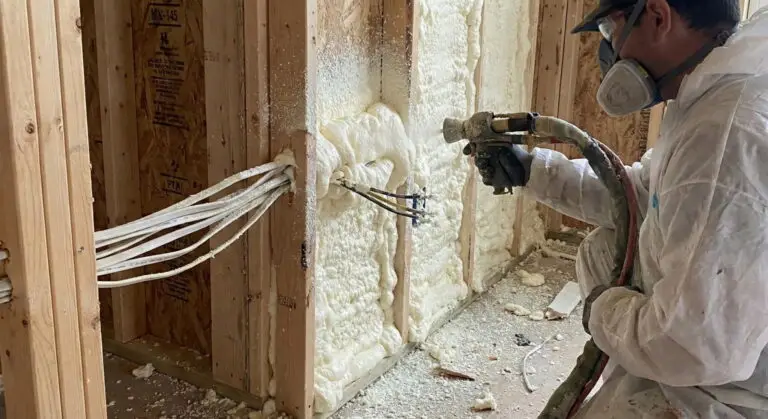
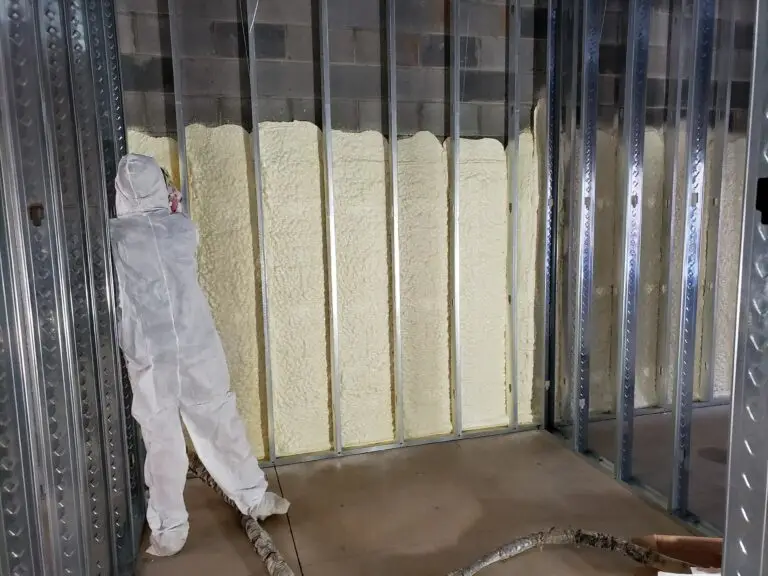
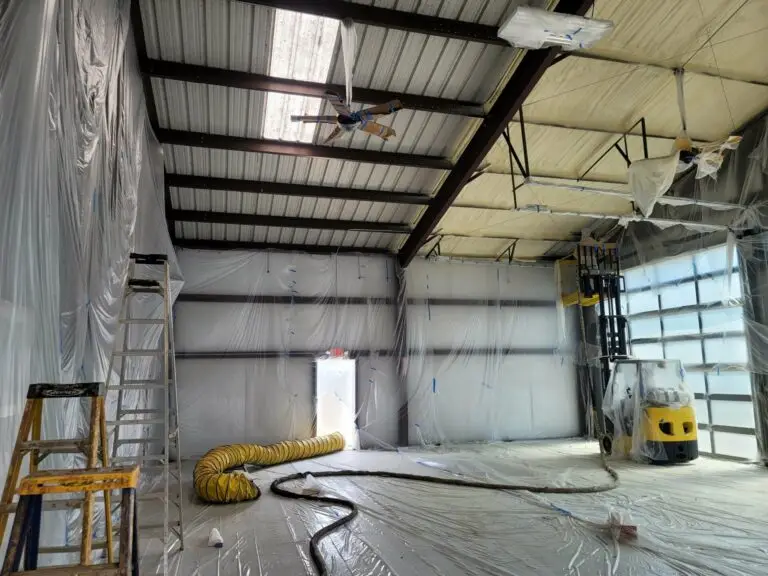
Open-cell spray foam is commonly used in ceilings, walls, and roofs because it has a low density, expands easily, and proper R-value’s can be achieved for about half the price of closed cell foam. Closed-Cell spray foam is more dense and provides a better air barrier and is more resistant to moisture. Professional insulation contractors will typically apply it in crawlspaces, basements and metal buildings.

R-Values by Region

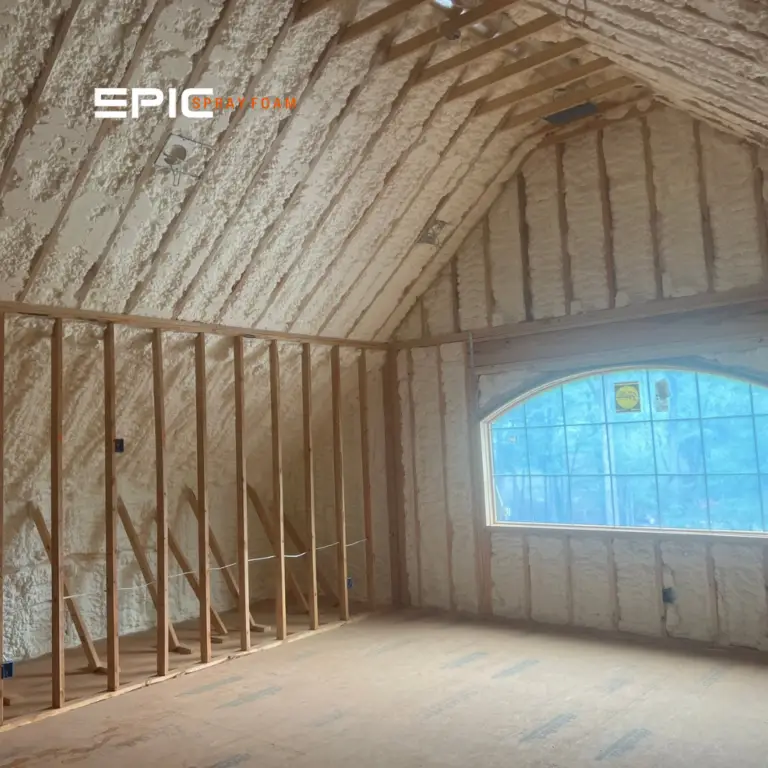
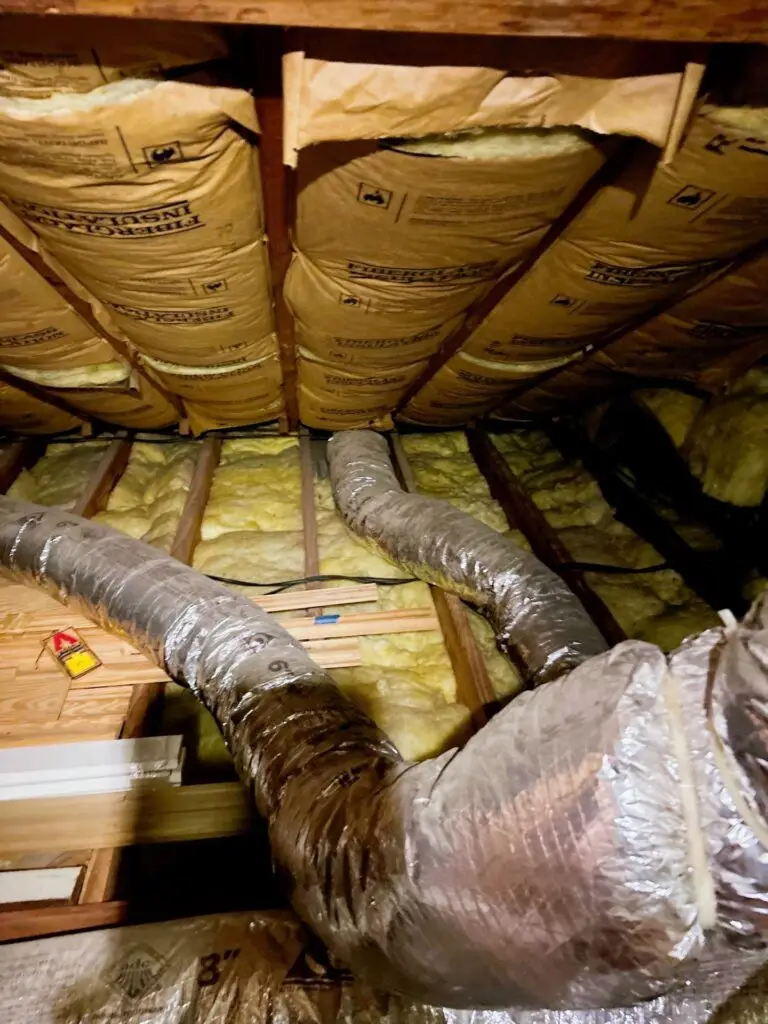
The R-Value required in your home is different depending on how it is applied, what material is used, and what climate zone you live in. Here in Georgia, around Atlanta and north we are in climate zone 3. As you get into north Georgia, we transition to climate zone 4. Code requires an R-Value of R-13 in the wall and R-38 in a ventilated attic using Fiberglass. In climate zone 4 an R-49 of Fiberglass is required to be installed on the attic floor. Insulating with spray foam moves you to a different application of technology. An encapsulated attic is and unvented attic system. The spray foam is installed against the roof deck with code requiring it to be R-20. Code recognizes the performance of spray foam in an unventilated attic system is much greater than fiberglass. This is the reason spray foam in a roof deck only needs to be an R-20 in both climate zone 3 and 4.

The R-Value of 1 inch of open-cell spray foam is about an R-3.4 per inch, while 1 inch of closed-cell spray foam is around an R-7.1 per inch. Remember, closed-cell is much more dense!

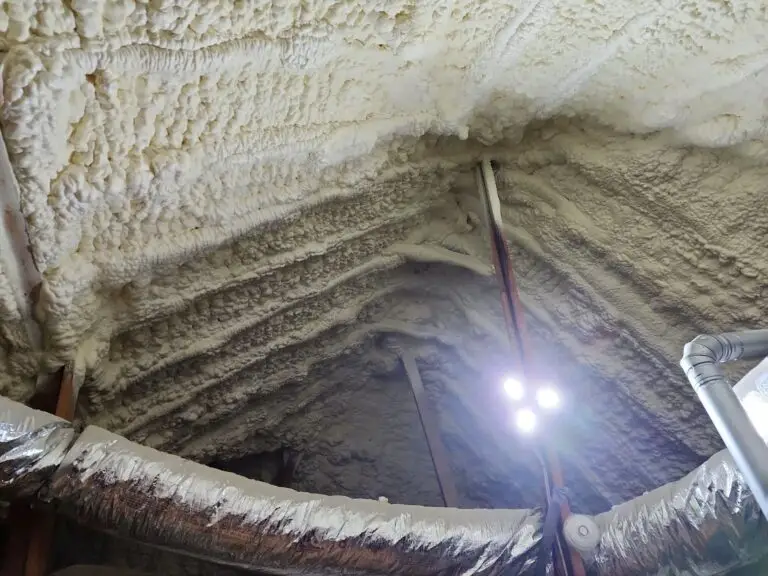
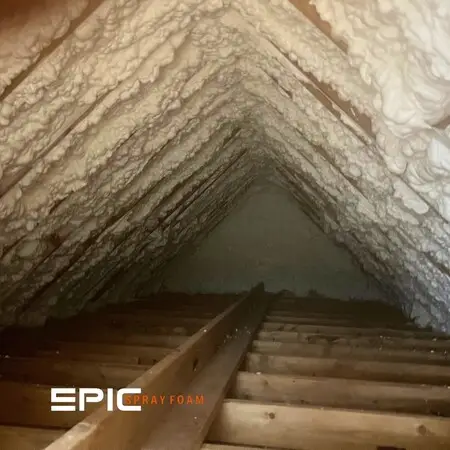
Insulating a roof deck with R-20 spray foam exceeds the performance of R-38 so much so, that even in climate zones where R-49 is required, it also exceeds the performance factor there. The reason for this is because of how the spray foam is applied and the technology that is applied. Meaning? You’re migrating your home from a ventilated attic to an unventilated attic using spray foam only at an R-20 and eliminating things like ridge vents, passive vents, and power vents.

Why Does an Unventilated Attic Matter?

When you encapsulate an attic you stop the stack effect, and the stack effect is what puts a negative pressure on your home. A stack effect is when your attic heats up, as it’s traditionally designed, and as air rushes out of your vents in your attic it has to be replaced. Typically the air comes in from the soffits, but soffits are rarely sized correctly, get clogged by debris and painted over as time goes on. The net free area of your soffit vent becomes reduced. Even on new homes, soffits are typically not balanced properly and won’t provide the right amount of air flow. Here in Georgia, we heat up so quickly on the average day that the attic heats up and very quickly begins to pull a negative pressure on the house. (aka the stack effect). As air is rushing up and out, you now have make-up air being pulled in from every penetration, window, door throughout main level of home and basement as well. For homes that are on a crawl space it means that the air from crawl space is being pulled into the home. A large percentage of the air in a home, because of the stack effect, is now air from the crawl space. By properly insulating your home, you are decreasing the loss of air from your home while also improving the air quality inside of it!

20210811 114324

Insulating Outbuildings, Garages & Workshops: Why Spray Foam Is A Great Solution

Many homeowners focus on insulating their main living spaces but overlook areas like garages, workshops, and outbuildings. These spaces are often used for hobbies, storage, or work, but without proper insulation, they can become extremely hot in the summer, freezing in the winter, and susceptible to moisture problems. If you want to make these spaces more comfortable and energy-efficient, spray

Read More
large should you spray foam over your existing insulation 4

Spray Foam Myths vs. Facts: What Every Homeowner Should Know

Spray foam insulation is one of the most effective ways to improve your home’s energy efficiency, comfort, and air quality. Yet despite its many benefits, misconceptions about spray foam continue to circulate. Some homeowners worry about safety, cost, or long-term impacts, which can prevent them from making a choice that could save money and improve comfort for years. In this

Read More

Insulation Costs In 2026: What Homeowners In Metro Atlanta Should Expect

If you’re planning an insulation project in 2026, you are probably seeing a wide spread of prices online. The reason for this is that costs shift with material type, square footage, access points, removal needs, and the complexity of the project.  This pricing guide breaks down realistic ranges for common Metro Atlanta projects, so you can plan with confidence, ask

Read More
Building Science

The Science of Spray Foam Insulation: How It Works and Why It Outperforms Traditional Insulation

When most homeowners think about insulation, they picture something stuffed inside walls to keep the house warm or cool. But insulation performance is about far more than just filling space. It’s about how air, heat, and moisture move through your home, and this is where spray foam insulation stands apart. Understanding the science behind spray foam helps explain why it

Read More

Spray Foam Insulation Case Study: A 3,600-Square-Foot Custom New Build in Ball Ground, GA

When Becki Jo and her husband decided to build their forever home in Ball Ground, Georgia, they took a hands-on approach from day one. Ground broke in the spring of 2023 on a custom, 3,600-square-foot single-family home, and Becki Jo stepped into the role of general contractor for the entire project. With full responsibility for coordinating trades, timelines, and budgets,

Read More
spray foam attic ceiling. jpg

Is Spray Foam Insulation Safe Around Pets and Children?

When it comes to insulating your home, safety is just as important as energy efficiency, especially if you have children or pets. Spray foam insulation is one of the most effective insulation solutions available, but many homeowners understandably question if it’s safe around pets and children.  The short answer to that question is yes, when it is professionally installed, properly

Read More
pest management company

Winter-Proof Your Home: The Most Effective Attic Insulation For Georgia Homes 

North Georgia winters can be sneaky. Most days feel mild, then a sudden cold snap hits right as your holiday guests arrive. If your attic is under-insulated or leaking air, you feel it fast through chilly bedrooms, longer HVAC runtimes, and higher electric or gas bills. The good news, the right attic insulation strategy can stabilize temperatures, control humidity, and

Read More
electrical wiring

Is Spray Foam Safe Around Electrical Wiring?

If you are considering spray foam insulation, you may have heard questions about whether it is safe to apply around electrical wiring. The good news is that spray foam is approved and safe for use around standard electrical lines, including low-voltage wiring such as ethernet, doorbell, and thermostat cables. When installed correctly, spray foam can help create a more airtight,

Read More
block wall

Closed-Cell Spray Foam for Block and Concrete Walls: Benefits, Uses, and Limitations

When it comes to insulating block walls or concrete walls, closed-cell spray foam is one of the most effective solutions available. Many residential and commercial property owners are turning to closed-cell spray foam insulation for its ability to improve energy efficiency, add strength, and provide long-term protection.  But is this the right choice for your project? Let’s take a closer

Read More
fiberglass attic 2

Fiberglass Insulation 101: Common Problems and How To Avoid Them

Fiberglass is popular for a reason. It is affordable, easy to install, and widely available. But if your home still relies on older fiberglass batts or thin layers of blown-in fiberglass, you might be feeling drafts, uneven room temperatures, or noticing higher energy bills.  This guide explains the most common fiberglass insulation problems, how to spot them, and smart upgrades

Read More