Closed-Cell Spray Foam for Block and Concrete Walls: Benefits, Uses, and Limitations

When it comes to insulating block walls or concrete walls, closed-cell spray foam is one of the most effective solutions available. Many residential and commercial property owners are turning to closed-cell spray foam insulation for its ability to improve energy efficiency, add strength, and provide long-term protection. 

But is this the right choice for your project? Let’s take a closer look at what closed-cell spray foam accomplishes, when you should consider it, and when it may not be the best option.

What Does Closed-Cell Spray Foam Do for Block and Concrete Walls?

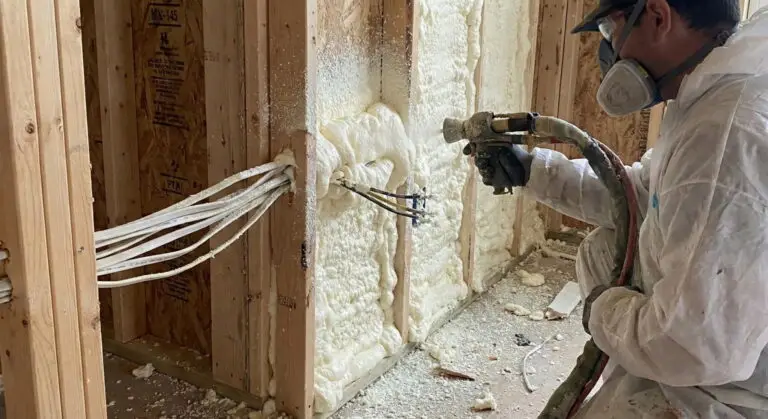
Closed-cell spray foam insulation is much denser than open-cell spray foam and has a higher R-value per inch. When applied directly to block walls or concrete walls, it provides several key benefits:

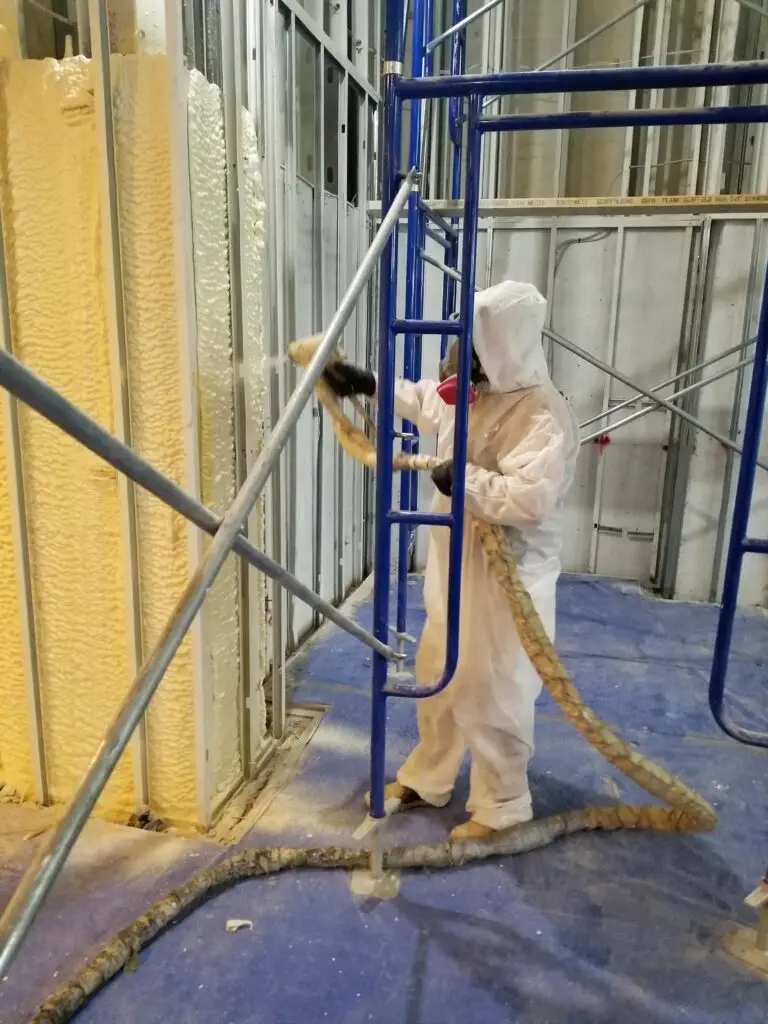
  • Air sealing and moisture control: The foam fills cracks, gaps, and pores in the masonry surface, reducing air leakage and helping to keep moisture out. This makes it ideal for basements, crawl spaces, and other areas prone to dampness.
  • High insulation value: With an R-value of about 6 to 7 per inch, closed-cell spray foam provides excellent thermal resistance. This helps keep indoor temperatures consistent while lowering heating and cooling costs.
  • Structural reinforcement: Closed-cell spray foam hardens after application, which can add strength to walls and increase overall durability and structural integrity.
  • Barrier against mold growth: By controlling moisture infiltration, spray foam reduces the risk of mold and mildew inside the walls.
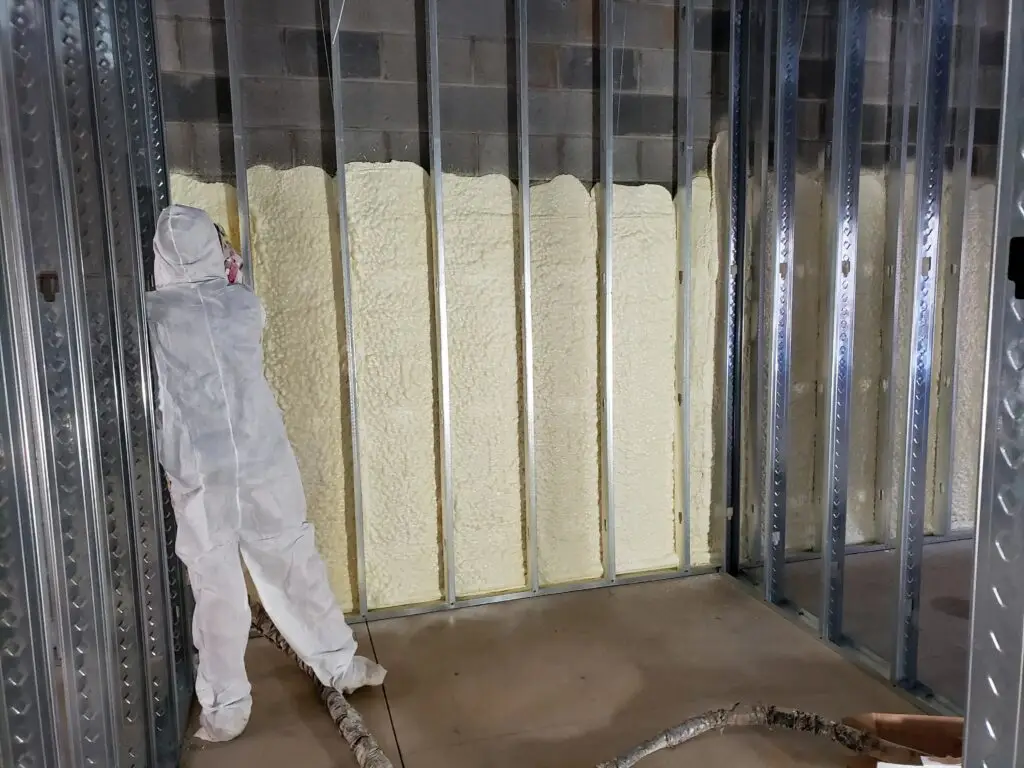
block wall

When Should You Consider Closed-Cell Spray Foam for Block or Concrete Walls?

This type of insulation is particularly useful in certain situations:

  • Basements and below-grade walls: Concrete and block walls are naturally porous. Spray foam creates a moisture barrier that helps keep basements dry and comfortable.
  • Commercial buildings: Many commercial properties use block walls that require added insulation and air sealing to meet modern energy codes.
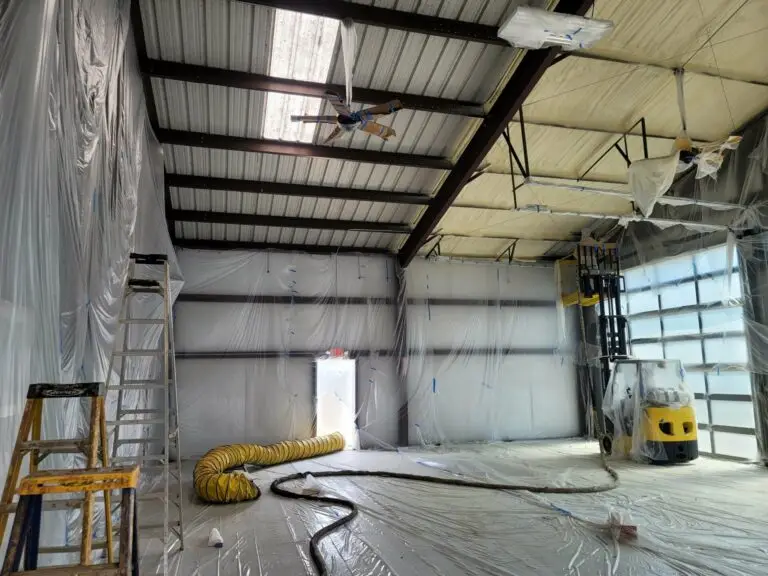
  • Garages and workshops: Closed-cell spray foam helps keep these spaces more comfortable while protecting tools, vehicles, and equipment from humidity.
  • Energy efficiency upgrades: If you are remodeling or improving your home’s insulation, spray foam on masonry walls can make a significant difference in reducing energy loss.

When Should You Not Use Closed-Cell Spray Foam on Block or Concrete Walls?

While closed-cell spray foam insulation is highly effective, there are a few cases where it may not be the right fit:

  • Historic or preservation projects: In older homes or buildings where the masonry must remain unaltered, closed-cell spray foam may not be suitable.
  • Budget limitations: Closed-cell spray foam is a bigger up-front investment than fiberglass or blown-in insulation (though it is more cost-effective over time). If cost is the main concern, another insulation method may be preferred.
  • Walls that need to breathe: Some masonry structures require moisture to move through the wall to prevent long-term issues. In these cases, blocking the pores with closed-cell spray foam could create future problems.
concrete wall

Is Closed-Cell Spray Foam Right for Your Project?

If you want maximum energy efficiency, moisture protection, and long-term durability, closed cell spray foam insulation is one of the best options for block walls and concrete walls. However, it is always important to consult with an experienced spray foam contractor who can evaluate your space and determine if this application is right for your property.

At Epic Spray Foam, we specialize in helping homeowners and businesses choose the right insulation for their needs. Contact us today to schedule a free consultation and find out if closed-cell spray foam is the right solution for your block walls or concrete walls.

Call (833) 362-6489 to schedule your free estimate today!
20210811 114324

Insulating Outbuildings, Garages & Workshops: Why Spray Foam Is A Great Solution

Many homeowners focus on insulating their main living spaces but overlook areas like garages, workshops, and outbuildings. These spaces are often used for hobbies, storage, or work, but without proper insulation, they can become extremely hot in the summer, freezing in the winter, and susceptible to moisture problems. If you want to make these spaces more comfortable and energy-efficient, spray

Read More
large should you spray foam over your existing insulation 4

Spray Foam Myths vs. Facts: What Every Homeowner Should Know

Spray foam insulation is one of the most effective ways to improve your home’s energy efficiency, comfort, and air quality. Yet despite its many benefits, misconceptions about spray foam continue to circulate. Some homeowners worry about safety, cost, or long-term impacts, which can prevent them from making a choice that could save money and improve comfort for years. In this

Read More

Insulation Costs In 2026: What Homeowners In Metro Atlanta Should Expect

If you’re planning an insulation project in 2026, you are probably seeing a wide spread of prices online. The reason for this is that costs shift with material type, square footage, access points, removal needs, and the complexity of the project.  This pricing guide breaks down realistic ranges for common Metro Atlanta projects, so you can plan with confidence, ask

Read More
Building Science

The Science of Spray Foam Insulation: How It Works and Why It Outperforms Traditional Insulation

When most homeowners think about insulation, they picture something stuffed inside walls to keep the house warm or cool. But insulation performance is about far more than just filling space. It’s about how air, heat, and moisture move through your home, and this is where spray foam insulation stands apart. Understanding the science behind spray foam helps explain why it

Read More

Spray Foam Insulation Case Study: A 3,600-Square-Foot Custom New Build in Ball Ground, GA

When Becki Jo and her husband decided to build their forever home in Ball Ground, Georgia, they took a hands-on approach from day one. Ground broke in the spring of 2023 on a custom, 3,600-square-foot single-family home, and Becki Jo stepped into the role of general contractor for the entire project. With full responsibility for coordinating trades, timelines, and budgets,

Read More
spray foam attic ceiling. jpg

Is Spray Foam Insulation Safe Around Pets and Children?

When it comes to insulating your home, safety is just as important as energy efficiency, especially if you have children or pets. Spray foam insulation is one of the most effective insulation solutions available, but many homeowners understandably question if it’s safe around pets and children.  The short answer to that question is yes, when it is professionally installed, properly

Read More
pest management company

Winter-Proof Your Home: The Most Effective Attic Insulation For Georgia Homes 

North Georgia winters can be sneaky. Most days feel mild, then a sudden cold snap hits right as your holiday guests arrive. If your attic is under-insulated or leaking air, you feel it fast through chilly bedrooms, longer HVAC runtimes, and higher electric or gas bills. The good news, the right attic insulation strategy can stabilize temperatures, control humidity, and

Read More
electrical wiring

Is Spray Foam Safe Around Electrical Wiring?

If you are considering spray foam insulation, you may have heard questions about whether it is safe to apply around electrical wiring. The good news is that spray foam is approved and safe for use around standard electrical lines, including low-voltage wiring such as ethernet, doorbell, and thermostat cables. When installed correctly, spray foam can help create a more airtight,

Read More
fiberglass attic 2

Fiberglass Insulation 101: Common Problems and How To Avoid Them

Fiberglass is popular for a reason. It is affordable, easy to install, and widely available. But if your home still relies on older fiberglass batts or thin layers of blown-in fiberglass, you might be feeling drafts, uneven room temperatures, or noticing higher energy bills.  This guide explains the most common fiberglass insulation problems, how to spot them, and smart upgrades

Read More
attic encapsulation

How To Tell When It’s Time To Replace or Upgrade Your Attic Insulation

Is your home too hot in the summer, freezing in the winter, or just not as comfortable as it should be? If you live in Metro Atlanta, you’re definitely not alone. Many houses in our area have outdated attic insulation that simply isn’t up to the task anymore. Whether it’s energy bills that keep creeping higher or you’re noticing uncomfortable

Read More