Thermal bridging is an essential but often overlooked concept in the construction of buildings. It refers to the process by which heat is transferred between the inside and outside of a building, either through direct contact or through air infiltration.
Thermal bridging can have a significant impact on a building’s energy efficiency, which can translate into long-term cost savings.
Understanding how thermal bridging works and how to reduce it is key for architects, builders, and homeowners alike looking to create an energy-efficient and comfortable living or working environment.
What Is Thermal Bridging?

When heat flows through a building element that has a higher thermal conductivity than the materials around it, this is called thermal bridging. In simpler terms, it happens when heat moves through a part of a building that is not well-insulated and escapes through the walls, roof, or floor. This can result in uneven temperatures, higher energy consumption, and potential moisture issues.
This heat transfer can have a big effect on a building’s energy efficiency because it can lead to higher energy costs and make the building uncomfortable to live and work in.
This happens faster than when heat moves through things like wood and insulation, which don’t let heat move through them well. So, heat moves through metal and concrete faster than it would if they were better insulators. This means that a lot more energy is lost than it would be if they were better insulators.
The amount of energy lost through thermal bridging depends on several factors, such as the type of material used, the thickness of the material, and the environmental conditions.
Additionally, the bridge’s location can also affect the amount of energy lost. For instance, external walls can be more susceptible to thermal bridging than internal walls due to their greater environmental exposure.
How Does Thermal Bridging Affect Energy Efficiency?
Thermal bridging can cause a building to lose a lot of energy, which can have a major impact on its energy efficiency. The heat lost through thermal bridging can cause the building to become cooler on the inside, leading to higher energy costs for heating. The energy lost can also cause the building to become warmer on the outside, leading to higher energy costs for cooling.
Thermal bridging not only costs money, but can also make living and working conditions uncomfortable.
As heat is lost through thermal bridging, the interior of the building can become colder than the outside, leading to drafty, damp conditions. Similarly, the exterior of the building can become warmer than the interior, leading to the building feeling stuffy and uncomfortable.
Therefore, reducing thermal bridging is critical to creating comfortable and sustainable living environments. With the right approach, thermal bridging can create a comfortable and energy-efficient building.
The Different Types of Thermal Bridging
Thermal bridging can be divided into two main types: direct contact and air infiltration.
- Direct contact: Thermal bridging occurs when two different materials are in direct contact with each other, such as when a metal frame is in contact with a concrete wall. In this situation, the metal frame acts as a conductor, allowing heat to pass quickly through the material.
- Air infiltration: Thermal bridging occurs when there is a gap between two different materials, such as a gap between a window frame and a wall. In this situation, air can pass through the gap, allowing heat to pass through the material more quickly than if the gap was sealed.
How to Reduce Thermal Bridging
The most effective way to reduce thermal bridging is to use materials that are better insulators, such as wood and insulation. These materials are better at preventing heat from passing through them, which can help reduce the amount of energy lost through thermal bridging.
In addition to using better insulating materials, there are also other strategies that can be used to reduce thermal bridging. These include:
- Sealing gaps between materials
- Using insulation to fill gaps between materials
- Installing airtight windows and doors
- Installing air barriers
- Using double glazing on windows
Using these strategies can help reduce the amount of energy lost through thermal bridging and create a more comfortable and energy-efficient building.
Insulation and Other Strategies for Reducing Thermal Bridging
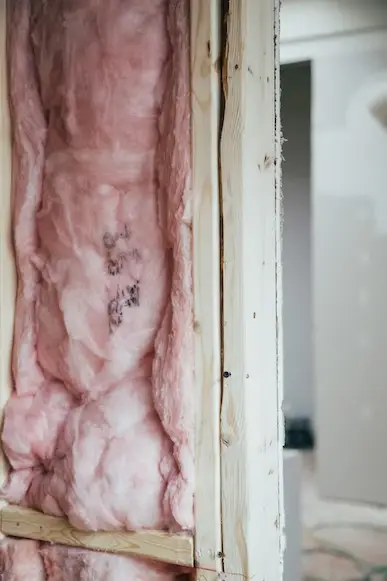
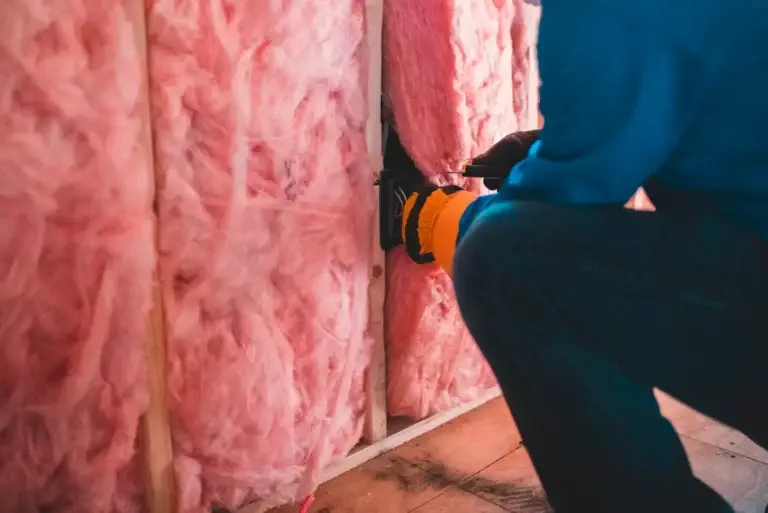
Insulation is one of the most effective ways to reduce thermal bridging. By installing insulation, it is possible to create a barrier between the inside and outside of a building, preventing heat from passing through the material.
- Insulate the Building Envelope
- This includes the walls, roof, and foundation. By using high-quality insulation and properly sealing all gaps and joints, you can reduce the amount of heat that escapes through the building’s structure.
- Use Thermal Breaks
- For example, you can use plastic or rubber spacers between window frames and the surrounding walls to reduce thermal bridging.
- Use Continuous Insulation
- Continuous insulation involves using insulation that covers the entire building envelope without any breaks.
- Add Airtight Windows & Doors
- Windows and doors that don’t let air in can help stop air from getting in, and air barriers can help stop heat from escaping through windows and doors.
Using these strategies in combination with spray foam insulation can help reduce the amount of energy lost through thermal bridging.
How Spray Foam Can Help
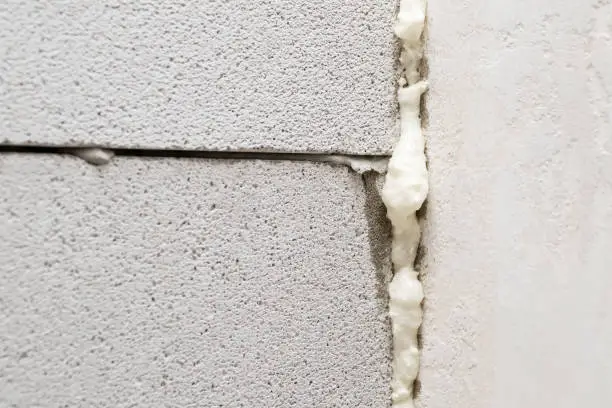
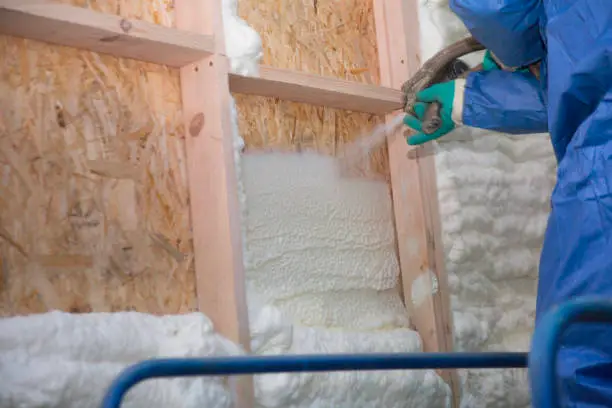
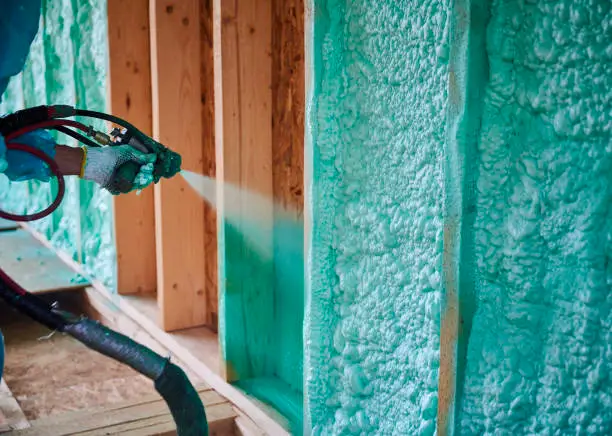
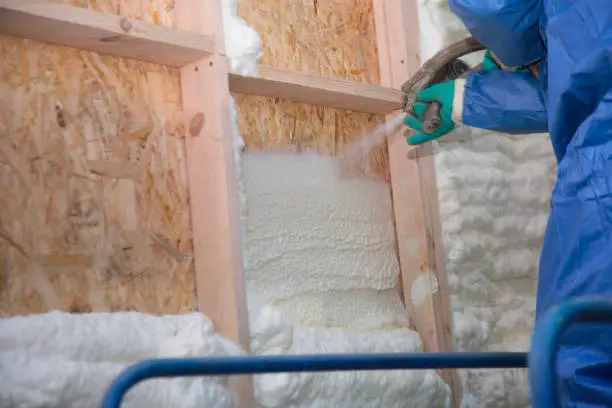
One of the best ways to reduce thermal bridging in buildings is to use spray foam insulation. Spray foam insulation is a type of insulation that is applied as a liquid and then expands to fill the gaps and crevices in a building.
It is highly effective at reducing air infiltration, as it seals up any gaps and cracks in the building envelope. Spray foam insulation is also very good at stopping heat from moving through conduction because it acts as a barrier.
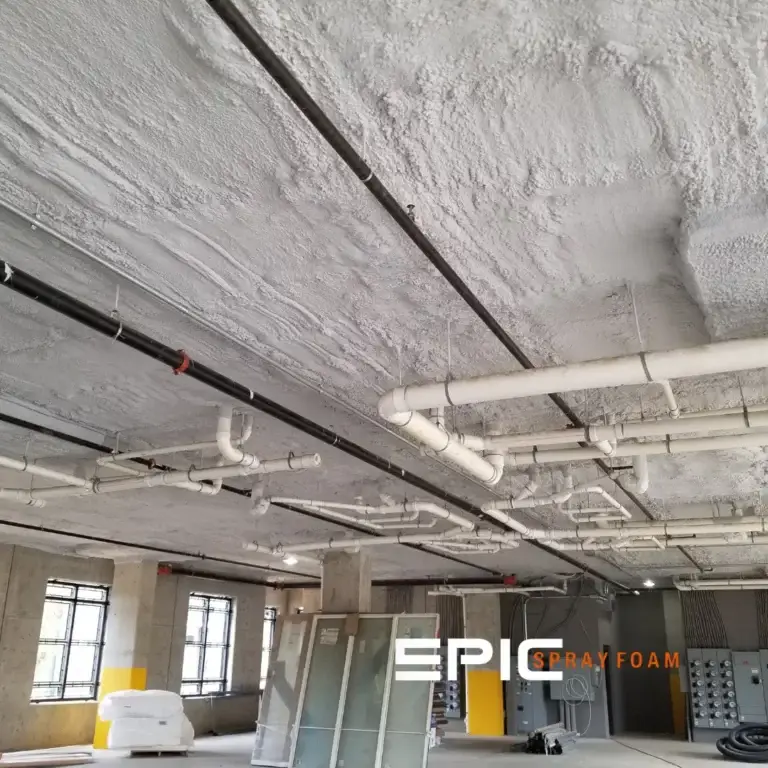
Spray foam insulation is a good way to reduce thermal bridging in buildings because it can be installed quickly and easily, and it effectively stops air from getting in and heat from moving through the building. It is also strong and long-lasting, so it can protect against thermal bridging for years to come.
Overall, spray foam insulation is a very effective way to cut down on thermal bridging between different parts of a building. It is quick and easy to install, highly effective at reducing air infiltration and conduction, and durable and long-lasting.
Building Materials and Thermal Bridging
Thermal bridging can also be affected by the kinds of materials that are used to build a building.
Materials such as metal and concrete are good conductors of heat and can allow for greater energy loss than materials such as wood and insulation. So, when choosing building materials, it’s important to think about how well they transfer heat and choose better insulators.
Choosing materials with good thermal properties is important, but it is also important to think about how the materials will be used to build the building. For example, it is important to keep materials from coming into direct contact with each other because this can lead to more thermal bridging.
You can reduce the amount of energy lost through thermal bridging by choosing materials with good thermal properties and avoiding direct contact and gaps between materials.
How Does Thermal Bridging Occur?
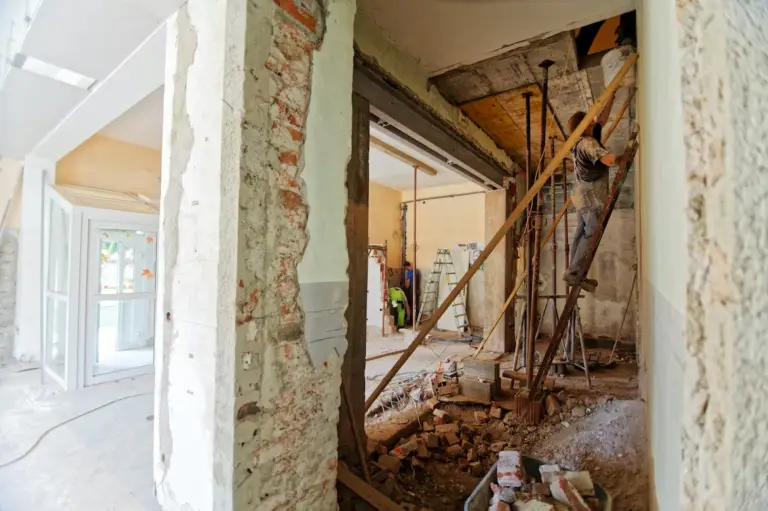
Thermal bridging can occur in various parts of a building, including the roof, walls, windows, and foundation. It can happen in both new and old buildings, although it tends to be more common in older structures that were not designed with energy efficiency in mind. Examples of building elements that can cause thermal bridging include:
Wall Studs
Wall studs are vertical framing members that are used to support the weight of walls. They are often made of metal or wood, which have a higher thermal conductivity than the surrounding insulation.
Window Frames
Window frames are often made of aluminum or steel, which have a higher thermal conductivity than the surrounding materials.
Concrete Floors
Concrete is a dense material with a high thermal conductivity. If it is not insulated well, this can lead to thermal bridging.
Roof Trusses
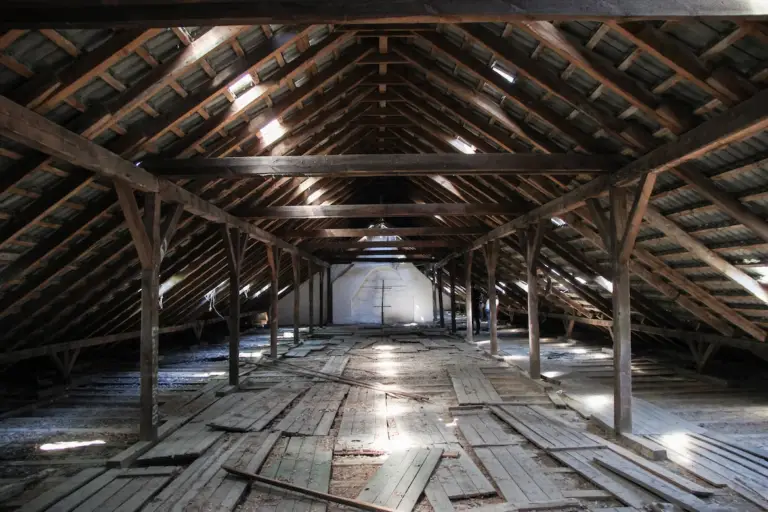
Roof trusses are structural components that support the roof. They are often made of wood, which has a higher thermal conductivity than the surrounding insulation.
Thermal Bridging Solutions for Homeowners
Homeowners also have several options for reducing thermal bridging. For instance, they can install insulation in their homes to reduce heat loss, as well as airtight windows and doors and air barriers.
- Use double glass in windows and use weather stripping to seal gaps between materials.
- Use blinds and curtains to stop heat from escaping through windows and air vents to stop air from getting in.
- Think about using materials with good thermal properties and avoid putting materials directly on top of each other.
- Take advantage of professional spray foam insulation.
By implementing these tips, homeowners can reduce the amount of energy lost through thermal bridging and make their homes more safe, comfortable, and energy-efficient.
Experience the Difference with Epic Spray Foam
As a leading insulation contractor in Georgia, Epic Spray Foam is committed to excellent quality, service, and safety. We stand behind our work and will do everything possible to ensure our customers are fully satisfied with their products and services.
When you choose Epic Spray Foam for your home insulation needs, you can feel the difference with our precision, punctuality, and commitment to excellence. Take the first step towards a more sustainable and cost-effective future today.
Call us at 833-362-6489 to schedule a free assessment of your property.