When it comes to creating a more energy-efficient home, every detail matters. At Epic Spray Foam, we know that insulation plays a major role in reducing energy waste, but it’s just one piece of the puzzle. Whether you’re battling hot Georgia summers or frigid winter nights, these practical tips can help you improve comfort, lower your utility bills, and make your home more energy-efficient year-round.
Seal and Insulate the Attic Access Door
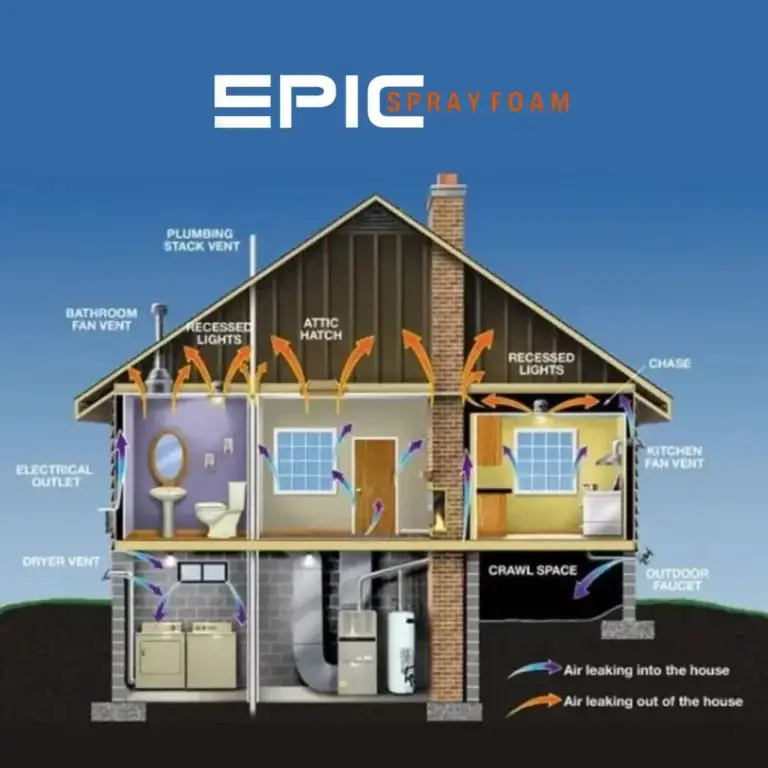
Your attic access point, whether it’s a hatch or pull-down stairs, is often one of the biggest culprits for air leakage. Installing an insulated attic stair cover or sealing the edges of the attic door with weather stripping helps prevent conditioned air from escaping and unconditioned air from seeping in. This simple upgrade can significantly reduce energy loss, especially in homes where the HVAC system is located in the attic.
Install Weather Stripping on Knee Wall Doors
Many homes, especially those with finished attics or finished rooms over garages, have small access doors to storage spaces behind knee walls. These doors often lack proper seals, allowing hot or cold air to infiltrate. Adding weather stripping around the frame can dramatically improve insulation in these spaces.
Regulate Temperature in Rooms Over Garages
Rooms above garages are often hard to heat and cool, but the real issue usually starts in the attic, not the garage. On hot Georgia mornings, attics can overheat and create negative pressure, pulling in warm, humid air from outside. This process, known as the Stack Effect, stresses your HVAC system and raises energy bills.
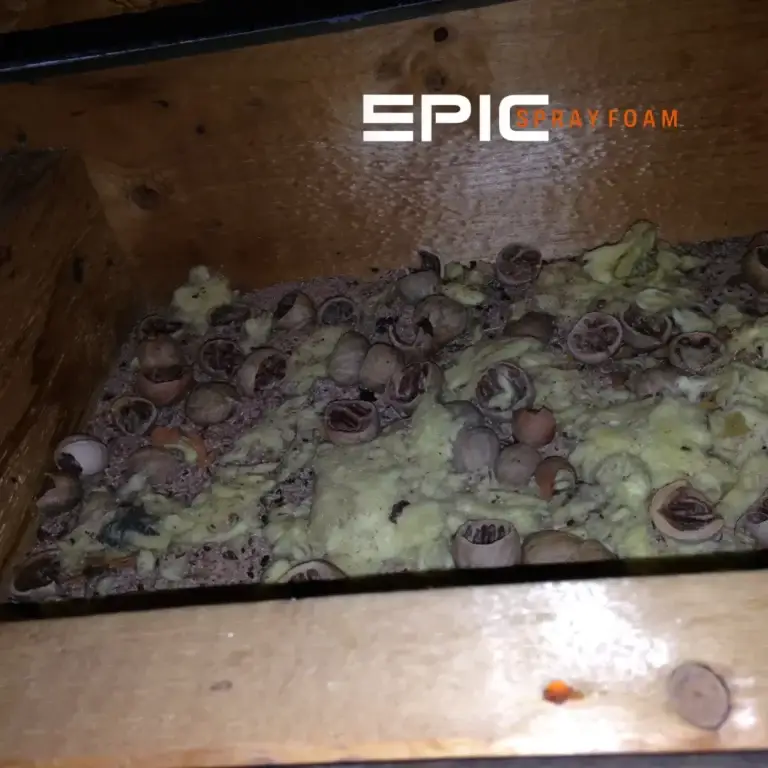
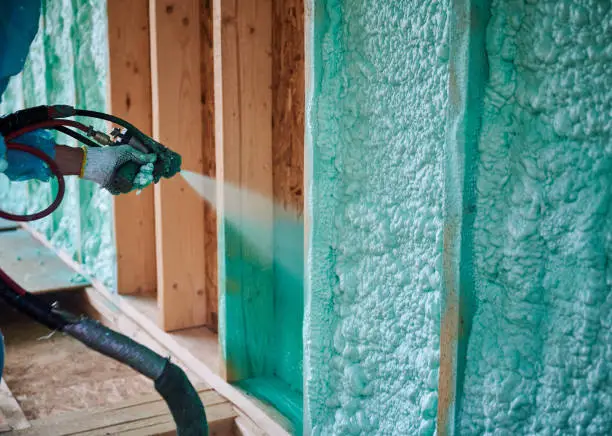
Encapsulating the attic with spray foam insulation seals the space, resists heat transfer, and blocks moisture and pests. If certain rooms in your home are uncomfortably warm for much of the year, attic encapsulation, rather than garage insulation, is the upgrade that will truly make a noticeable difference in your home’s comfort, cleanliness, and efficiency.
Weather Strip Exterior Doors and Windows
Over time, the seals around your doors and windows can become cracked, brittle, or even fall off entirely, especially after years of exposure to temperature swings, moisture, and daily use. When that happens, outside air can easily seep into your home, making it harder to maintain a comfortable indoor temperature. This forces your HVAC system to work overtime, leading to higher energy bills and added wear on your equipment.
To prevent this, inspect all exterior doors and windows at least once a year. Look for any gaps, damaged weather stripping, or areas where the seal has come loose. Replacing worn-out weather stripping is a quick, inexpensive fix that can significantly improve your home’s energy efficiency, eliminate drafts, and help maintain consistent indoor comfort year-round.
Seal Up Garage Doors
Garage doors are another weak point for air infiltration. Adding vinyl or rubber door sweeps at the bottom of the garage door helps block out hot or cold air, dust, pests, and moisture. This is especially helpful in attached garages or when the garage shares a wall with the house.
Beyond sweeps, check that the garage door is properly sealed around the sides and top. You can add compressible weather stripping or foam seals to create a more airtight barrier.
Install Timers on Bathroom Fans
Bathroom fans left running too long can exhaust a surprising amount of heated or cooled air. Even more concerning, fans that run for extended periods, especially older models, can overheat and pose a fire hazard. Installing timers or humidity sensors ensures that fans turn off automatically after a set period, helping preserve indoor temperatures, reduce energy waste, and improve home safety.
Apply Window Tinting or Low-E Film
South-facing windows can let in a lot of heat during summer months. Applying a low-E (low emissivity) film or tint to windows can block UV rays, reduce solar heat gain, and protect furnishings from fading, all while maintaining visibility.
Check for Air Leaks and Gaps
Sometimes the smallest gaps create the biggest energy losses. Walk around your home and feel for drafts near baseboards, light switches, electrical outlets, and plumbing penetrations. Seal up any cracks or gaps you find.
Upgrade Your Insulation
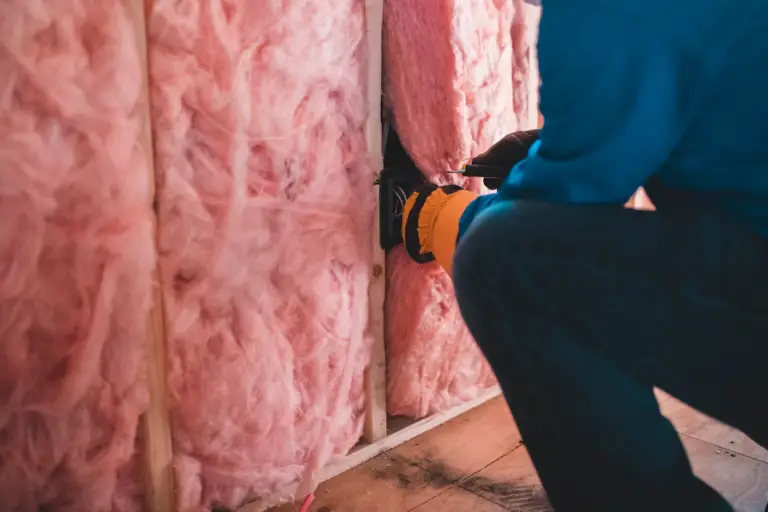
Of course, no list of energy-saving tips would be complete without mentioning insulation. Whether it’s your attic, crawl space, or walls, upgrading to spray foam can make a dramatic difference in how your home retains conditioned air. Proper insulation not only improves comfort and safety, but also helps your HVAC system run efficiently.
Start Small, Save Big
You don’t have to tackle everything at once. Even small improvements can have a noticeable impact on your home’s efficiency. For bigger upgrades like insulation or sealing hard-to-reach areas, Epic Spray Foam is here to help.
As a leading insulation contractor in Georgia, Epic Spray Foam is committed to excellent quality, service, safety, and environmental responsibility. All our spray foam products are GREENGUARD Gold Certified. We stand behind our work and will do everything we can to make sure our customers are fully satisfied with their products and services. Contact us today for an energy evaluation or to learn more about our spray foam solutions.
Give us a call at 833-362-6489 to schedule your free estimate today!