When most homeowners think about insulation, they picture something stuffed inside walls to keep the house warm or cool. But insulation performance is about far more than just filling space. It’s about how air, heat, and moisture move through your home, and this is where spray foam insulation stands apart.
Understanding the science behind spray foam helps explain why it consistently outperforms traditional insulation materials like fiberglass or cellulose in real-world conditions.
Insulation Is About Controlling Energy Loss, Not Just R-Value
R-value measures resistance to heat flow, but heat is only one part of the equation. Homes lose energy in three main ways:
- Air leakage
- Heat transfer
- Moisture movement
Traditional insulation focuses primarily on slowing heat transfer. Spray foam insulation addresses all three, which is why it performs so well in modern building science.

What Spray Foam Insulation Is Made Of
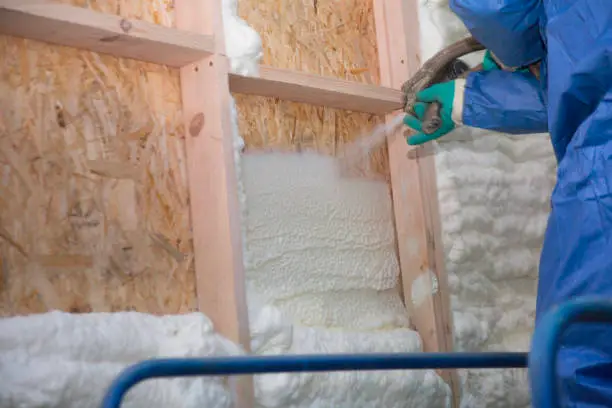
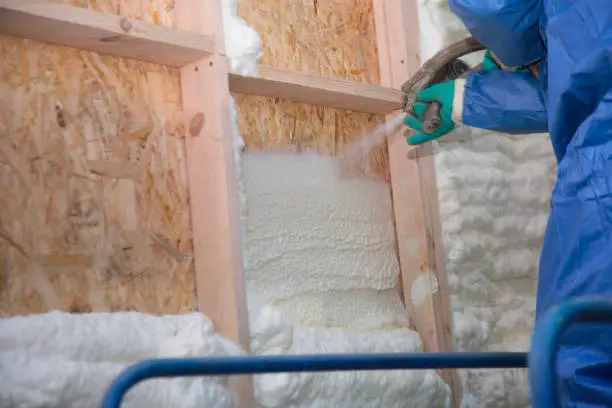
In simple terms, spray foam insulation is created by mixing two liquid components during application. When combined, they react chemically and rapidly expand into a foam.
This expansion is key. As the foam grows, it:
- Adheres tightly to wood, masonry, and metal
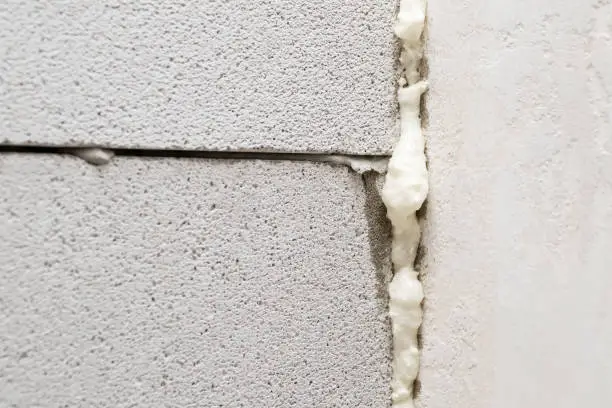
- Expands into cracks, seams, and gaps
- Hardens into a durable, long-lasting insulation layer
There are two primary types of spray foam insulation:
- Open-cell spray foam: lighter, softer, and more flexible; excellent for sound control and interior applications
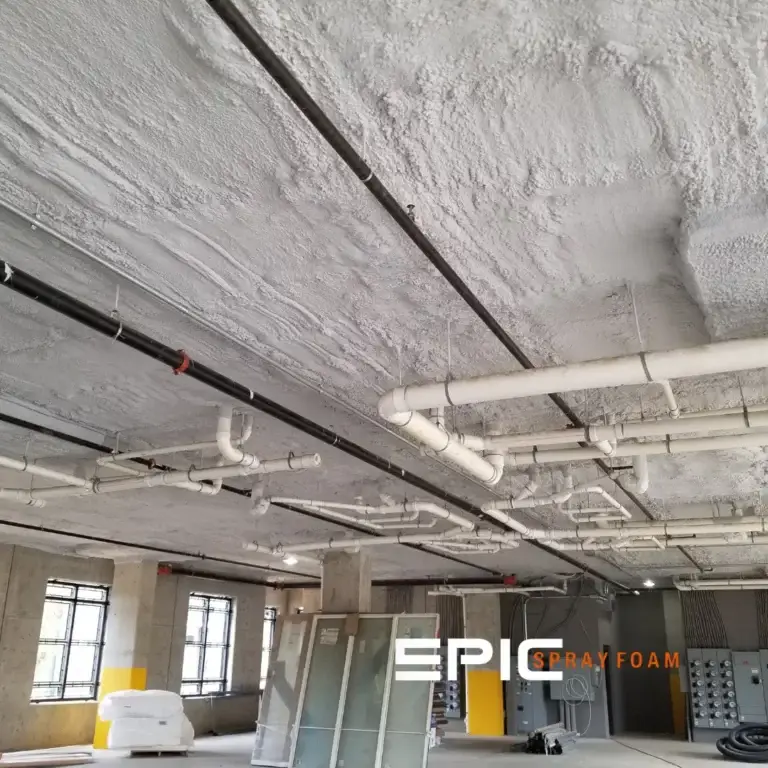
- Closed-cell spray foam: denser, stronger, and more moisture-resistant; offers higher R-value per inch and adds structural rigidity
Each type has specific use cases, and choosing the right one depends on the space and performance goals.
How Expansion Creates an Air Seal Traditional Insulation Can’t Match
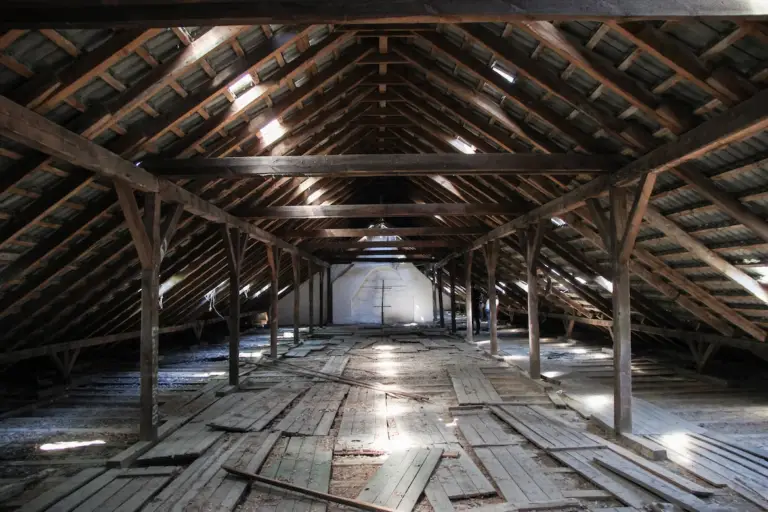
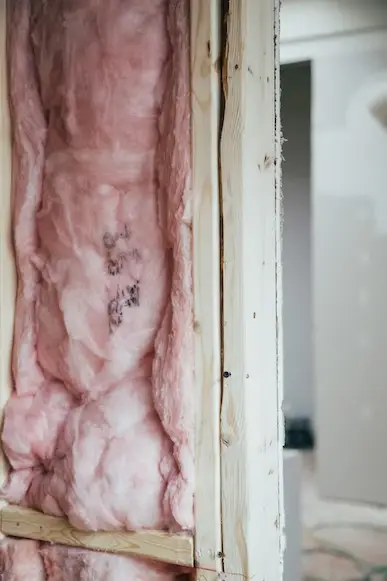
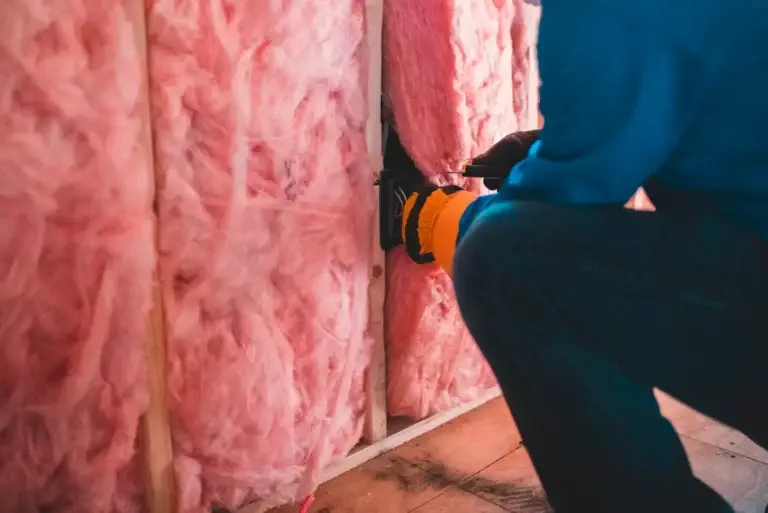
One of the biggest weaknesses of fiberglass and cellulose insulation is air movement. Even when installed properly, these materials can leave small gaps around wiring, plumbing, framing irregularities, and corners.
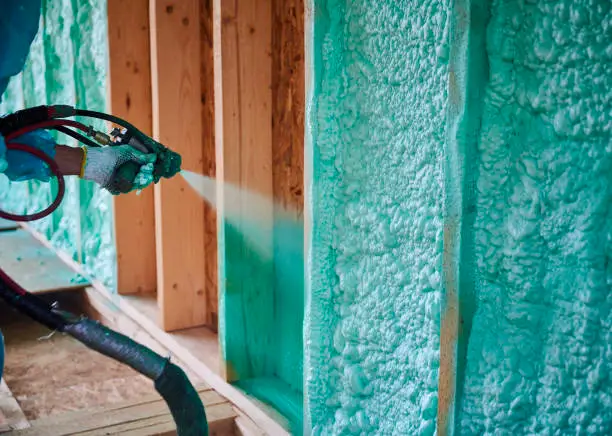
Spray foam expands up to 30–100 times its original size, allowing it to:
- Seal micro-cracks and hard-to-reach areas
- Wrap around pipes and electrical penetrations
- Create a continuous air barrier
Stopping uncontrolled airflow reduces drafts, stabilizes indoor temperatures, and dramatically improves comfort.
How Spray Foam Controls the Three Major Energy Loss Paths
Air Leakage
Air leakage is often the largest source of energy loss in a home. Spray foam acts as an air barrier, preventing conditioned air from escaping and outdoor air from entering. Less air movement means lower energy bills and fewer hot or cold spots.
Heat Transfer
Spray foam reduces heat transfer in two ways:
- It resists conduction through its insulating properties
- It stops convective heat loss by eliminating air movement within wall and attic cavities
This dual protection makes spray foam more effective than insulation that only slows conduction.
Moisture Movement
Moisture travels through homes in moving air. By stopping air leakage, spray foam significantly reduces moisture intrusion. Closed-cell spray foam also acts as a vapor retarder, helping protect building materials from mold, rot, and long-term moisture damage.
R-Value vs. Real-World Performance
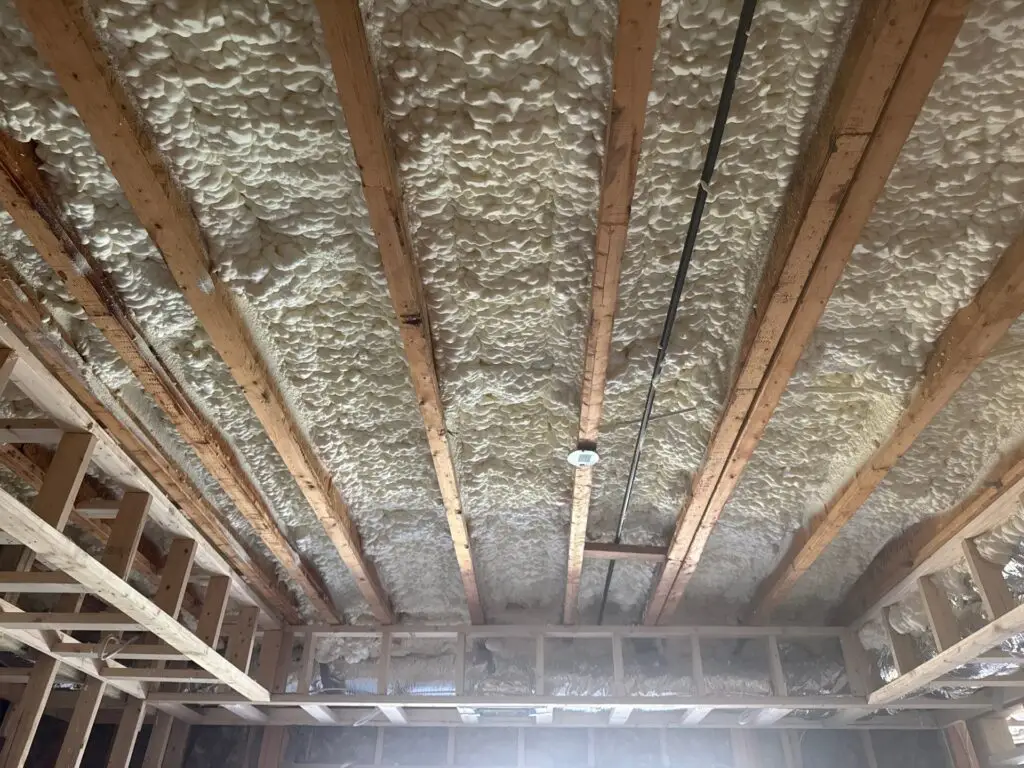
While spray foam has an excellent R-value, its real advantage is how it performs outside of laboratory conditions. Traditional insulation may test well, but if air can move through or around it, performance drops significantly.
Spray foam’s ability to seal and insulate at the same time often allows it to outperform higher-R materials once installed in an actual home.
Added Structural Strength and Long-Term Durability
Closed-cell spray foam adds rigidity to walls and roof decks, increasing structural strength — an often overlooked benefit. Unlike fiberglass, spray foam does not sag, settle, or degrade over time, allowing it to maintain performance for decades.
Why Proper Installation Matters
Spray foam insulation is only as effective as its installation. Correct mixing, application depth, and coverage are critical for performance and safety. This is why working with an experienced contractor who understands building science is essential.
At Epic Spray Foam, insulation isn’t treated as a one-size-fits-all product. Each project is evaluated based on how the home is built, how it’s used, and how air and moisture move through the structure.
Experience the Spray Foam Difference
Spray foam insulation works because it addresses how homes actually lose energy — through air, heat, and moisture. By creating a continuous air seal and durable thermal barrier, spray foam delivers superior comfort, efficiency, and long-term performance.
If you’re considering upgrading your insulation, understanding the science helps you make a smarter investment — and ensures your home performs the way it should.
Partner with Epic Spray Foam to Keep Your Home Safe, Clean, and Comfortable
As a leading insulation contractor in Georgia, Epic Spray Foam is committed to excellent quality, service, safety, and environmental responsibility. All our spray foam products are GREENGUARD Gold Certified. This means the same spray foam we use in hotels and other large commercial spaces is applied in new constructions and existing homes.
We stand behind our work and will do everything we can to make sure our customers are fully satisfied with their products and services.
Give us a call at 833-362-6489 to schedule your free assessment today!