When it comes to home insulation, you have a lot of options. Both blown-in insulation and spray foam are terrific ways to keep your home warm in the winter and cool in the summer. Finding the right one is right for your home will depend on several factors:
- Are there any areas that need special attention from an air quality standpoint?
- What type of budget do you have for this project?
- Are there any special considerations that come with your home’s design or structure?
Depending on your answers to these questions, one type of insulation may be better for you than the other. When it comes to deciding between spray foam and blown-in insulation, there are pros and cons to both.
Read on to learn more about each type of insulation, what they’re best suited for, and how they can improve your home’s energy efficiency.
What Is Spray Foam Insulation?
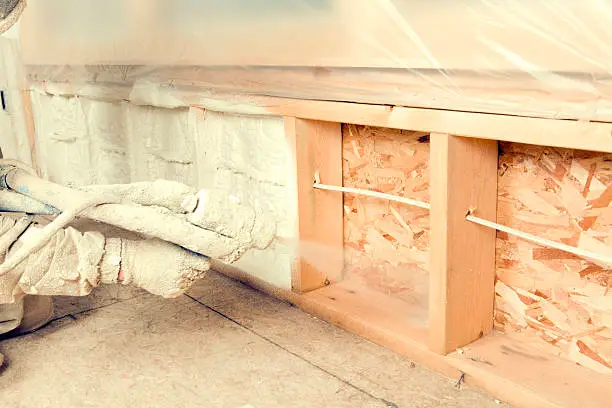
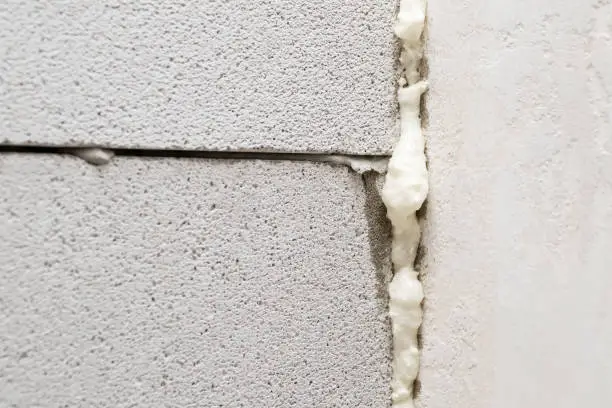
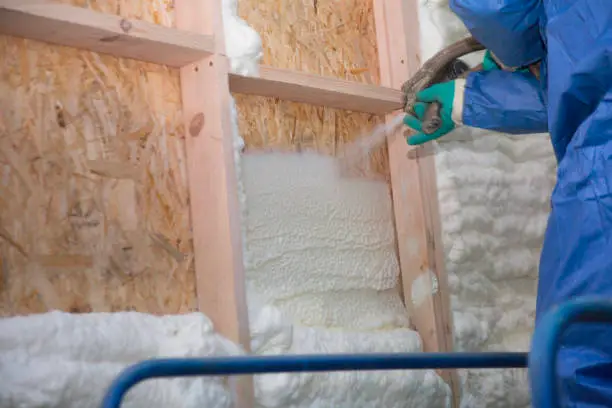
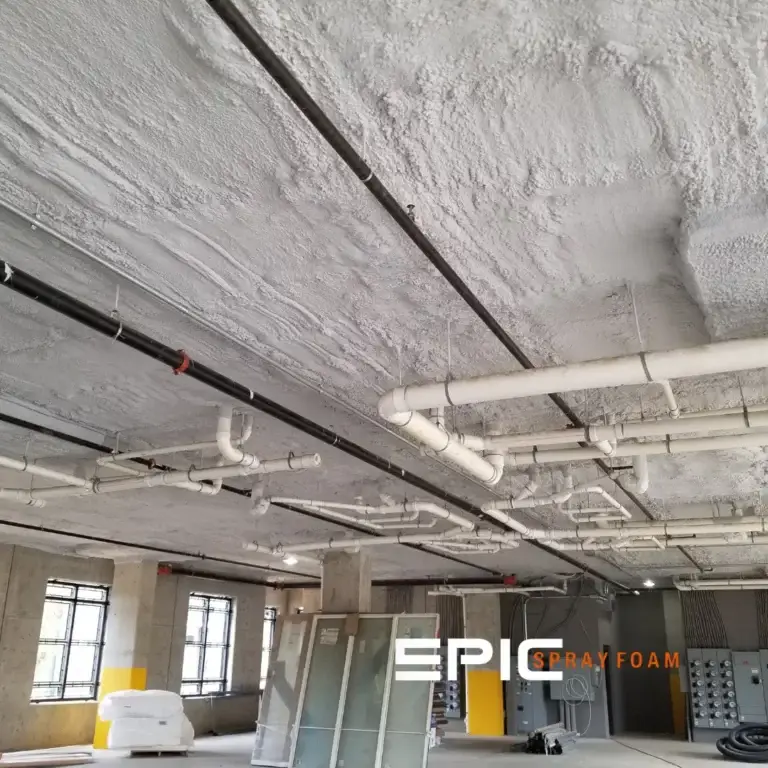
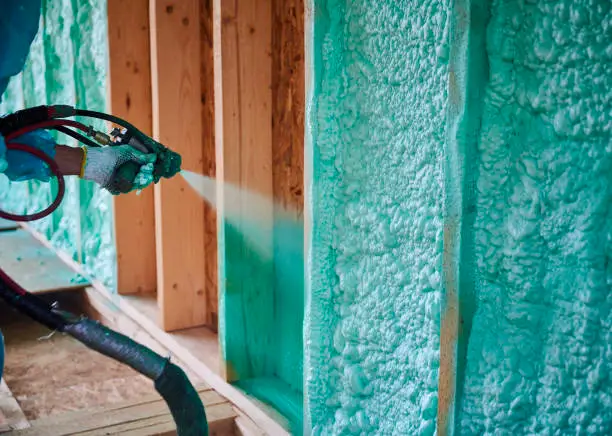
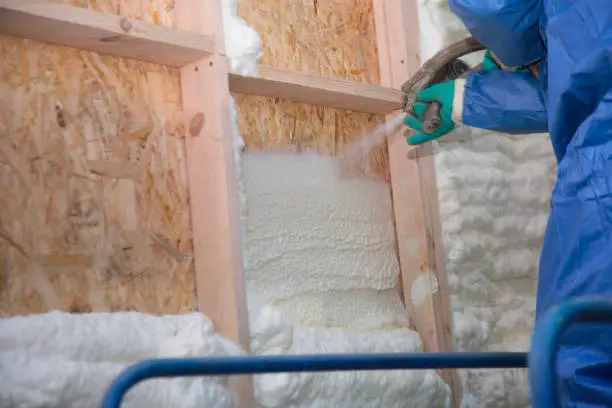
Spray foam insulation is a semisolid foam that can be sprayed into the walls of your home. It’s an insulation that’s applied in a single step. Compared to traditional blown-in insulation, it has several advantages:
- It creates a continuous barrier between your home and the elements, so you don’t have to worry about air or moisture seeping in.
- It’s less likely to have any pests or vermin take up residence in the insulation, making it a better choice for homes with a long history of problems in this area.
- Spray foam is sealed inside the wall, making it less likely to infiltrate the air you breathe.
Pros of Spray Foam Insulation
There are many potential benefits to spray foam insulation, including:
Improved Energy Efficiency
Spray foam insulation is a very effective way to reduce your energy costs. It helps reduce the amount of heat transfer to and from your home, so you won’t need to rely on your air conditioner as often in the summer or your furnace as often in the winter.
High Air Quality
Spray foam insulation also helps to minimize the transfer of unwanted odors and particles from the outside into your home. It contains biocides that will reduce the growth of bacteria, molds, and other pathogens in the insulation.
Stability
Spray foam insulation is extremely durable. It won’t break down or wear away over time like blown-in insulation can.
Safer and Easier Installation
Spray foam insulation is applied at a much higher pressure than blown-in insulation. This makes it faster and easier to install.
Lower Risk of In-Home Air Quality Issues
Spray foam insulation is completely sealed inside the wall, reducing the chance of it escaping into the air you breathe.
Cons of Spray Foam Insulation
While spray foam insulation has many excellent qualities, there are some downsides to keep in mind as you’re evaluating this option:
Price
Spray foam is usually a bigger initial financial investment than blown-in insulation.
Limited Renovation Potential
If you ever need to remove a wall or add a feature, you’ll have to cut out the spray foam to do so.
What is Blown-In Insulation?
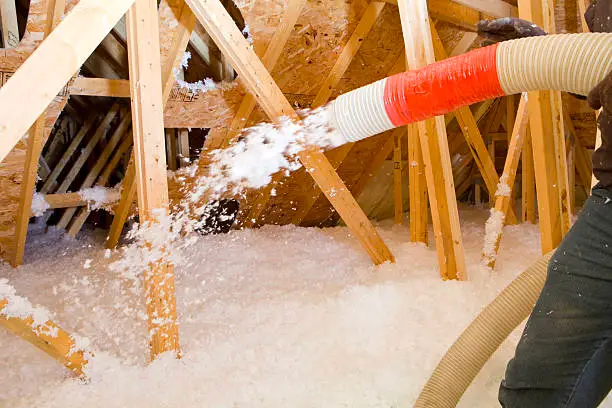
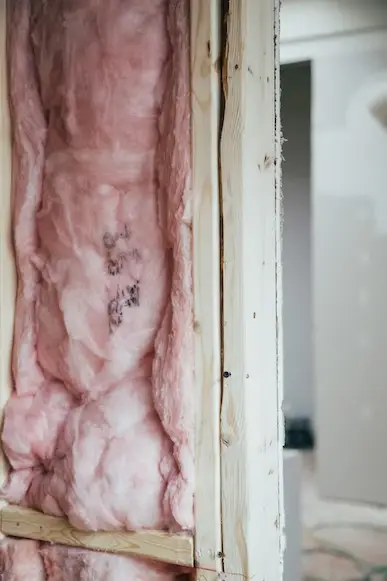
Blown-in insulation is a type of insulation that’s applied by pushing it into your walls via air.
Blown-in insulation is also composed of loose fibers, usually made from cellulose or recycled paper, and is then blown into the walls through a long hose.
Blown-in insulation is a good option if you want to reduce energy costs and improve air quality in your home. It’s a great way to fill in any areas that may be missing insulation without having to tear out the walls.
Pros of Blown-In Insulation
There are many benefits to blown-in insulation, including:
Inexpensive
Blown-in insulation is very affordable.
Easy to Apply
You will simply need the insulation and a long hose to install. However, it’s a good idea to hire a professional for harder-to-reach areas. Blown-in insulation is also easy to remove if necessary.
No Risk of Air Quality Issues
Blown-in insulation never actually comes into contact with the air inside your home.
Long Lasting
With ideal conditions, blown-in insulation can last up to multiple decades. However, it does tend to settle after a few years, and can leave gaps. You can simply fill in these gaps with more insulation, but most homeowners forego this step if it’s a small enough gap.
Great for Minor Wall Repairs
If you have a small section of the wall that’s damaged but the insulation is still intact, blown-in insulation is a great way to repair it.
No Renovations Needed
If you ever need to remove a wall or add a feature, you can simply pull the insulation out.
Cons of Blown-in Insulation
While blown-in insulation is a great choice for many homeowners, it also has some downsides or things to consider:
Not As Effective as Spray Foam
Some studies suggest that blown-in insulation may not be as effective as spray foam at reducing your energy costs since it settles after a few years.
No Access to Attic Space
This is the same issue as with sprayed foam.
Which One Is Right for You?
Spray foam insulation and blown-in insulation are both excellent choices for improving your home’s energy efficiency and air quality. The decision will come down to which one is best suited for your home.
There are several factors that you should keep in mind. These include:
- The age of your home.
- The state of your home’s air quality.
- The type and amount of insulation currently in your walls.
- The amount of renovation work you plan to do in the near future.
If your home is relatively new or if you’ve recently installed new insulation, you’re in a good position. You’re likely to see the most immediate benefits from either type of insulation, especially if you’re missing insulation in some areas.
Consult With The Experts at Epic Spray Foam
While the pros and cons of these two types of insulation may seem evenly matched, the truth is that one is often better than the other. If you decide that you want to add insulation to your home, you’ll want to consult with a trusted professional like Epic Spray Foam. We can provide you with an expert recommendation customized to your property.
When you trust Epic Spray Foam with your insulation, we’ll take care of all of the details, from accurate measurements, to safe installation, and clean-up.
If you have any questions about the process, contact Epic Spray Foam! We’re ready to answer your questions and help you find the best solution for your home.
Contact us at 833-362-6489 to schedule a free assessment of your property.