When it comes to improving your home’s energy efficiency, you have many different options. Both spray foam insulation and batt insulation can be great ways to reduce energy costs while also keeping your home comfortable year-round.
When choosing between these two insulation types, however, you’ll need to consider a variety of factors before making a final decision. This article will go over the similarities and differences between spray foam insulation and batt insulation so you can make the best decision for your home.
What is Spray Foam Insulation?
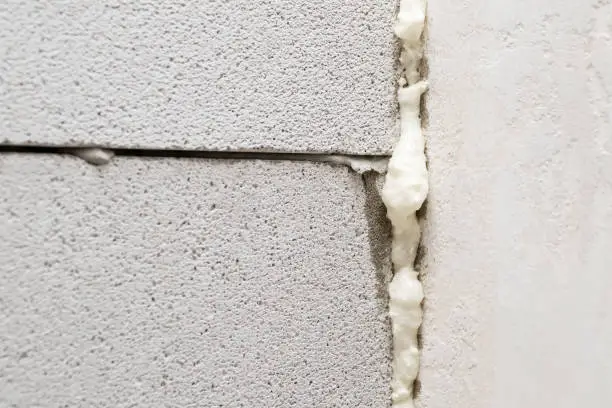
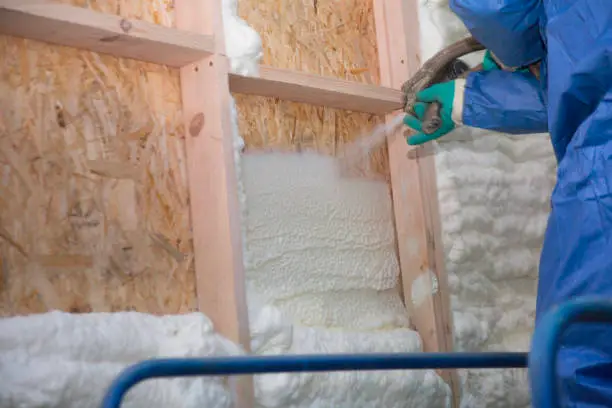
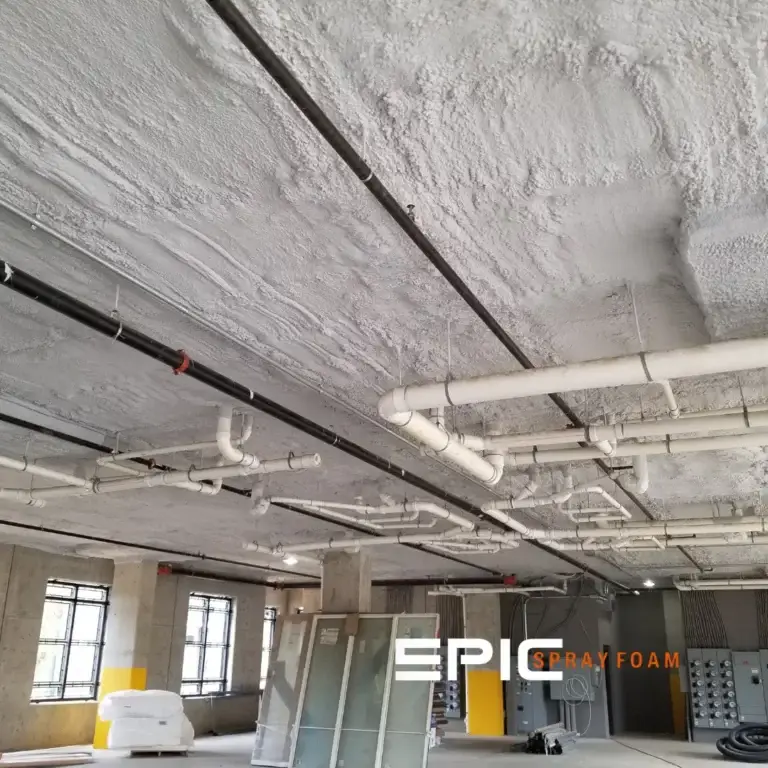
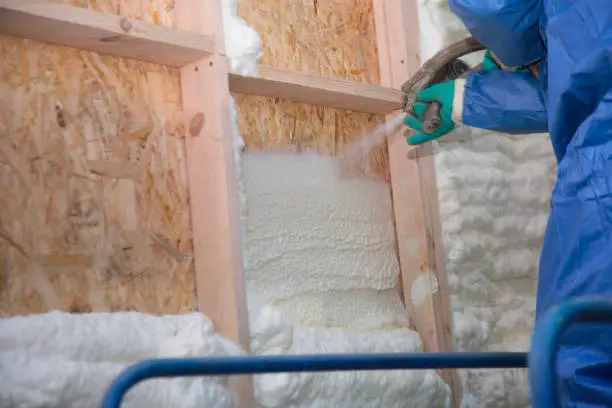
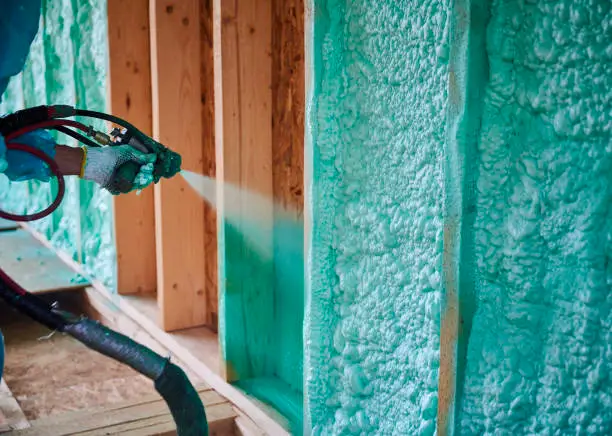
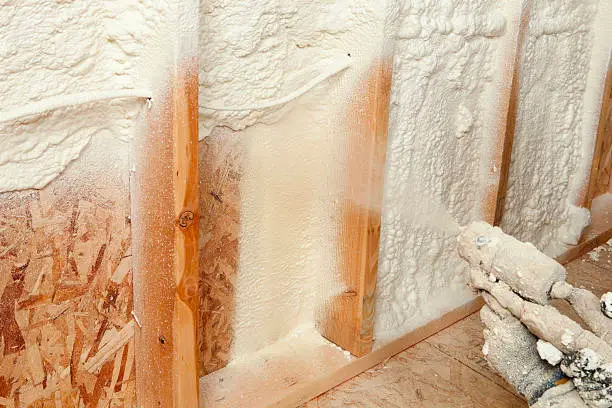
Spray-foam insulation is a type of insulation that is applied via a special spray gun to the interior walls of a building. When combined with a special liquid resin, the insulation expands and hardens, forming a seal around the building’s framing.
It is generally applied to cavities, voids, and cracks in the walls and ceilings of a structure’s exterior in order to increase energy efficiency. Spray foams also have excellent thermal resistance and are able to withstand extreme temperatures.
These qualities make spray foams ideal for certain applications and environments, including high-temperature, high-moisture, and very cold areas. Lastly, it is also highly resistant to moisture, making it ideal for use in homes that experience high humidity and/or flooding.
What is Batt Insulation?
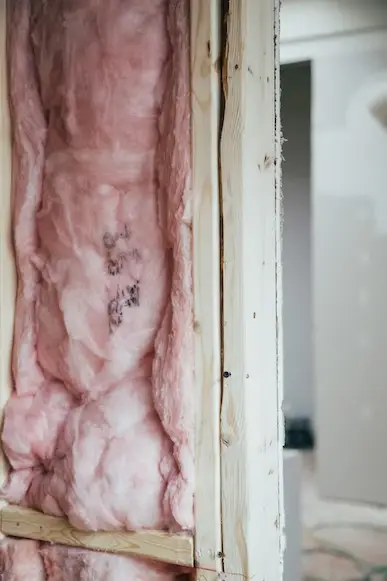
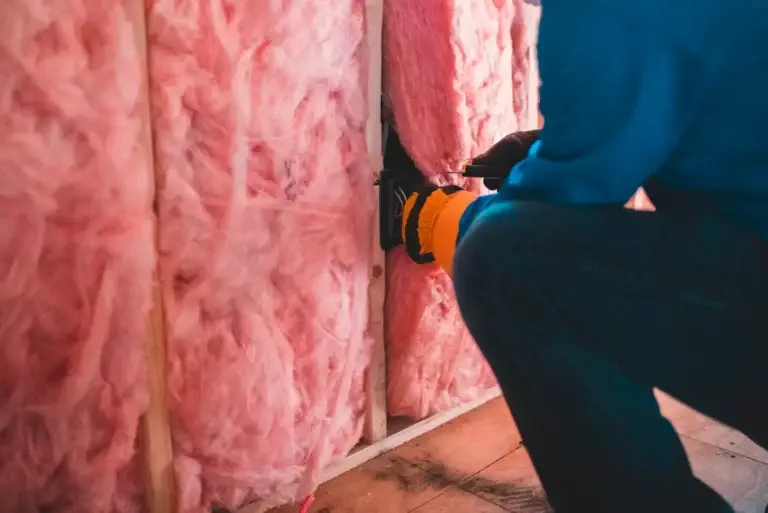
Batt insulation or fiberglass insulation is a type of insulation that’s primarily made of glass fibers. This insulation is typically installed in ceilings, but it can also be installed in walls.
This type of insulation is available in both loose-fill and rolled varieties. Most of the time, rolled insulation is used for new construction, while loose-fill insulation is put in walls and attics that are already there.
One of the biggest benefits of batt or fiberglass insulation is that it’s widely available and easy to find at local hardware stores. Because fiberglass insulation is widely available, it’s also a very cost-effective option.
Spray Foam and Fiberglass Insulation Comparison
Spray foam insulation vs. fiberglass insulation is a common debate among homeowners who are deciding on the best insulation to use in their home. While spray foam and fiberglass insulation both have their advantages, it is important to note that they are used in different ways. Here is a breakdown of the similarities and differences between these two insulation types.
R-Value
One of the main considerations when comparing spray foam insulation with batt insulation is the level of R-value each type of insulation has. The R-value of a material is a measurement of its capacity to resist heat flow.
The higher the R-value, the better the insulation and the more effective it is at stopping heat transfer. Spray foam insulation approximately has R-6, whereas fiberglass insulation has an R-value of between R-3.8 and R-5.
In general, fiberglass insulation is less effective at stopping heat transfer than spray foam insulation. This makes spray foam insulation a better choice when it comes to energy efficiency.
Resistance To Moisture
Another important factor to consider when comparing spray foam insulation with batt insulation is the level of moisture resistance each type of insulation has.
Batt insulation is actually an effective moisture barrier, making it a great choice for use in attic insulation. However, because it is applied to a surface and does not expand like spray foam, it does not seal areas as tightly as foam insulation.
Spray foam insulation has an excellent level of moisture resistance and is commonly used in areas that are prone to high moisture and flooding, such as boat interiors and coastal homes. This makes it a better insulating material in areas where moisture is an issue.
Durability
Spray foam and batt insulation both have a high level of durability, making them a great choice for long-lasting insulation. However, because spray foam is applied as a thick liquid, it has a higher level of durability than fiberglass. The durability of batt insulation is largely dependent on the thickness of the material.
Ease of Installation
Spray foam insulation vs. batt insulation also includes a comparison of how easy each of these insulation types is to install. In general, spray foam is much easier to install than batt insulation. This is because the foam is applied via a special gun.
Batt insulation, on the other hand, is applied manually, either by hand or with a machine. While both types of insulation are relatively simple to install, spray foam is much less time-consuming than batt insulation.
Costs
Batt insulation is a less expensive option than spray foam insulation. However, depending on the thickness of the insulation, the cost of a project with spray-foam insulation can be similar to that of batt insulation.
It is important to note that when comparing the cost of insulation, it is important to look at the whole project, including the cost of tools and other materials.
Health Risks
While both types of insulation are great choices for home insulation, fiberglass insulation is generally considered to be safer than spray foam insulation. This is because spray foam contains a special type of chemical called isocyanate, which is toxic when inhaled.
For this reason, it is important to wear protective gear when installing spray foam insulation, or to hire a professional who knows exactly what they’re doing and what precautions and safety measures to take.
Hire Epic Spray Foam To Install Your New Home Insulation
If you’ve decided what type of insulation you want to install in your home, hire Epic Spray Foam to do the work for you. We specialize in a wide range of energy-efficient insulation solutions.
Epic Spray Foam is a leading insulation contractor in Canton and the greater Atlanta area. We provide our clients with a comprehensive approach to advanced insulation techniques.
At Epic Spray Foam, we are committed to serving our clients’ needs and ensuring their satisfaction. We can provide you with a free in-home estimate, so you’ll have a good idea of how much the installation process will cost.
To learn more about the services we offer, make sure to get in touch with us at (833) 362-6489 or justin@epicsprayfoam.com.
Conclusion
Spray foam insulation and batt insulation are both effective at improving the energy efficiency of your home and reducing noise.
As far as insulation types go, however, spray foam insulation is usually the best choice because it is more effective in extreme weather conditions and traps more heat than batt insulation. Spray foam insulation is also more expensive upfront, but it’s also more durable and less time-consuming to install than batt insulation.
Overall, spray foam insulation and batt insulation are both good ways to make your home more energy efficient and quieter.