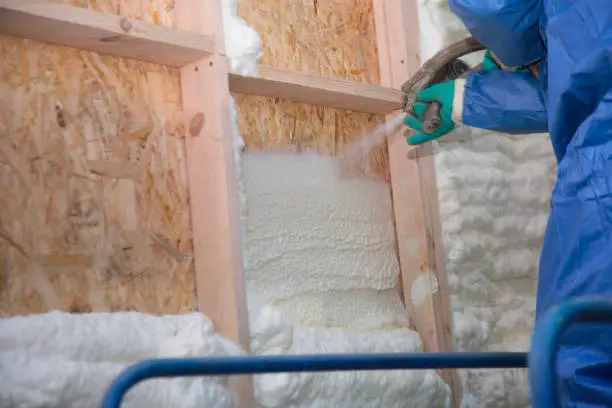
Spray foam insulation is one of the most effective ways to improve your home’s energy efficiency, comfort, and air quality. Yet despite its many benefits, misconceptions about spray foam continue to circulate. Some homeowners worry about safety, cost, or long-term impacts, which can prevent them from making a choice that could save money and improve comfort for years.
In this post, we’re separating myths from facts so you can make an informed decision for your home.
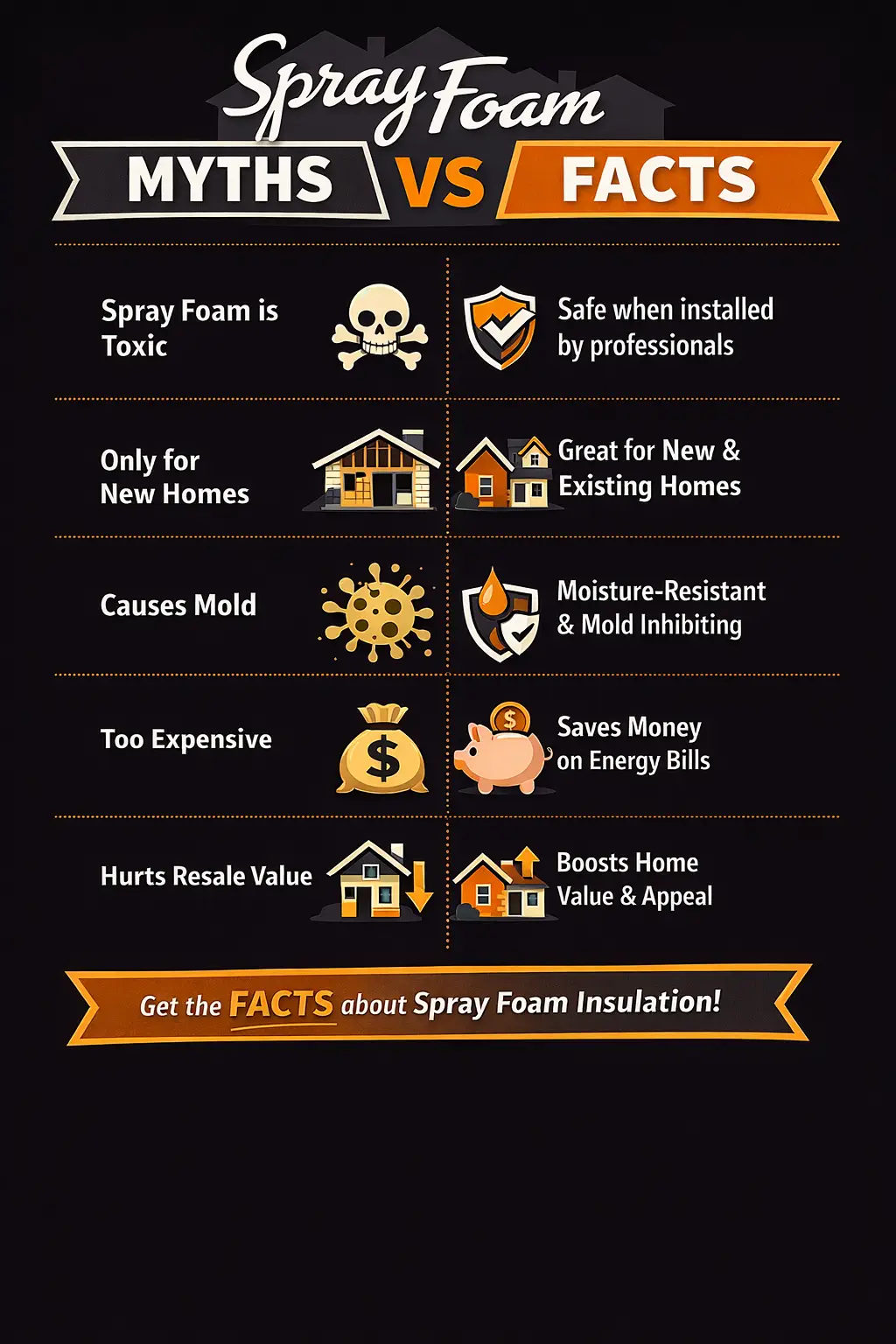
Myth #1: Spray Foam is Toxic and Unsafe
Fact: Modern spray foam insulation is safe when installed properly by certified professionals.
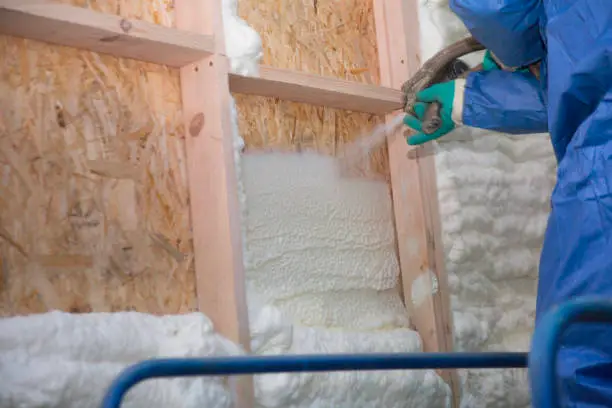
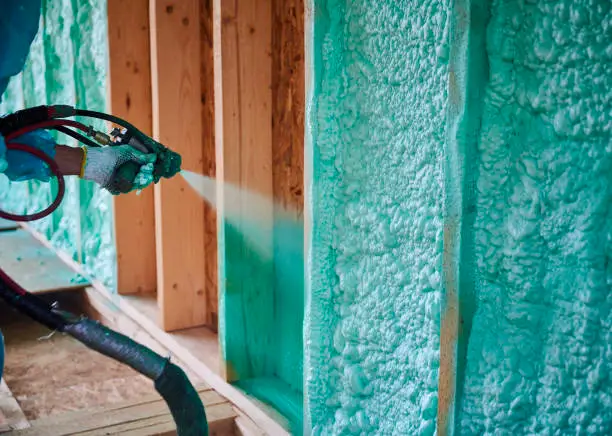
Concerns about chemical exposure often stem from the installation process itself, not the finished product. While fumes are released during application, once the foam cures, it is inert and non-toxic. Professional installers use proper ventilation and safety measures to ensure your home remains safe. When installed correctly, spray foam provides a durable, long-lasting barrier without harming your family or pets.
Myth #2: Spray Foam is Only for New Construction
Fact: Spray foam works in both new builds and existing homes.
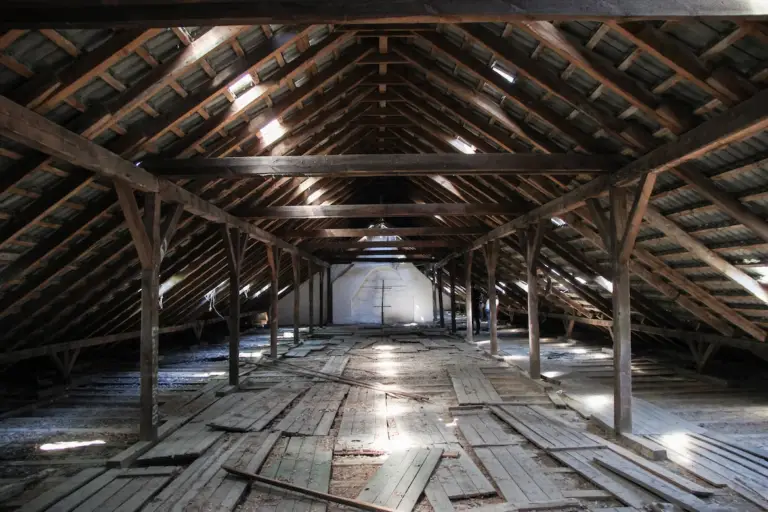
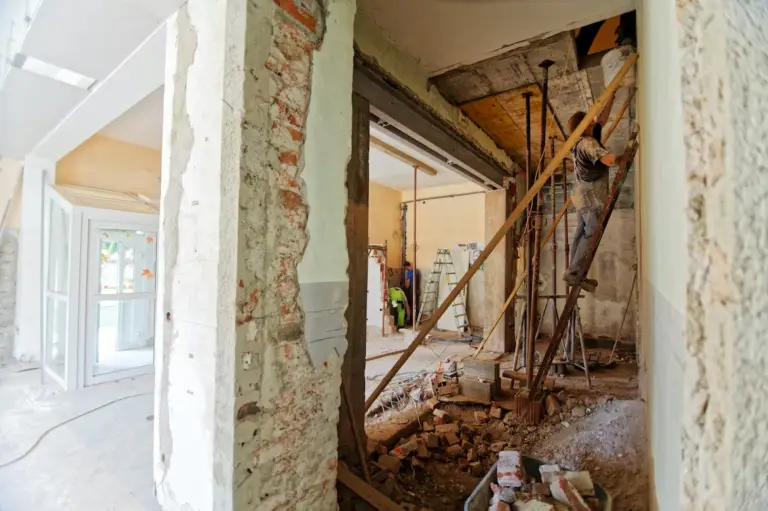
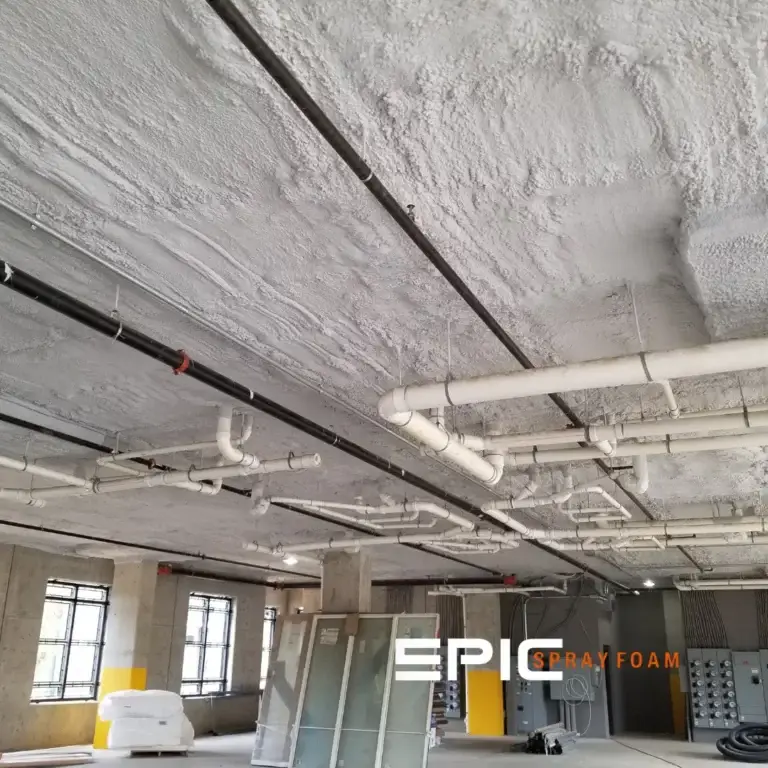
Whether you’re building from the ground up or renovating, spray foam can fit your project. It’s ideal for attics, crawl spaces, basements, and even remodeled rooms. Retrofitting an existing home with spray foam can dramatically improve insulation, reduce drafts, and lower energy bills, making it a versatile solution for homeowners at any stage.
Myth #3: Spray Foam Can Cause Mold
Fact: Properly installed closed-cell spray foam is moisture-resistant and helps prevent mold growth.
One of spray foam’s key benefits is its ability to seal air leaks and prevent moisture intrusion. That said, spray foam is not a solution for pre-existing leaks. Before installation, any water issues or structural problems should be addressed. Once your home is dry and properly ventilated, spray foam can help maintain a healthy, mold-resistant environment.
Myth #4: Spray Foam is Too Expensive / Not Worth It
Fact: While spray foam may have a higher up-front cost than traditional insulation, it often pays for itself over time through energy savings and durability.
Spray foam’s superior R-value and air-sealing ability reduce heating and cooling costs, lessen the strain on HVAC systems, and can even increase your home’s comfort and value. When you consider the long-term energy savings and minimal maintenance, spray foam insulation is an investment that keeps giving back year after year.
Myth #5: Spray Foam Affects Home Resale or Insurance
Fact: A properly installed spray foam system does not negatively impact home resale or insurance.
Many buyers actually see energy-efficient insulation as a major selling point. The key is professional installation and certification, which assures both your insurer and potential buyers that the work was done correctly. Spray foam can even enhance a home’s appeal by providing superior comfort and efficiency.
Ensuring a Safe, High-Quality Installation
To get the most out of your spray foam insulation:
-
Hire certified installers who follow safety guidelines.
-
Verify material quality and manufacturer standards.
-
Ask about quality guarantees and post-installation inspections to ensure lasting performance.
With the right installation, spray foam can protect your home, lower your energy bills, and provide comfort for decades.
Ready to upgrade your home?
Don’t let myths keep you from one of the most effective insulation solutions available. When installed by professionals, spray foam is safe, durable, and worth the investment.
Epic Spray Foam is a leading insulation contractor in the Canton and surrounding Metro Atlanta areas. We provide our clients with a comprehensive approach to advanced insulation techniques. We specialize in a wide range of energy-efficient insulation solutions utilizing building science principles. At Epic Spray Foam, we are committed to serving our clients’ needs and their satisfaction.
Contact Epic Spray Foam today to schedule a consultation and see how spray foam insulation can make a difference for your home.