Are you looking for a way to improve the energy efficiency of your home? Spray foam insulation for your basement might be the answer.
Spray foam insulation is an effective and efficient way to help regulate the temperature in your basement and keep this space more quiet, safe, and comfortable.
With so many benefits for areas throughout a structure, it’s no wonder that spray foam insulation has become a popular choice among homeowners.
This article will walk through everything you need to know about spray foam insulation for your basement, from the materials used to the installation process, to help you gain a better understanding of the many benefits for your property.
What is Spray Foam Insulation?
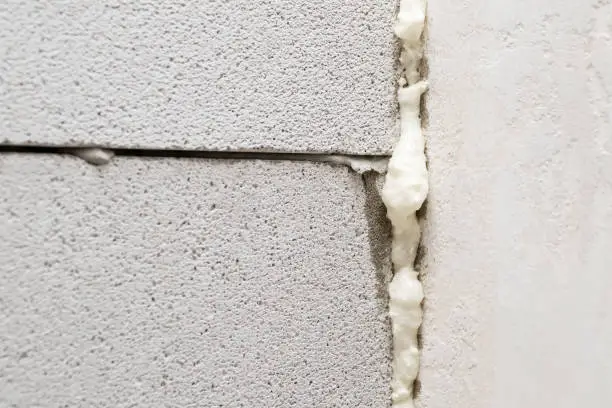
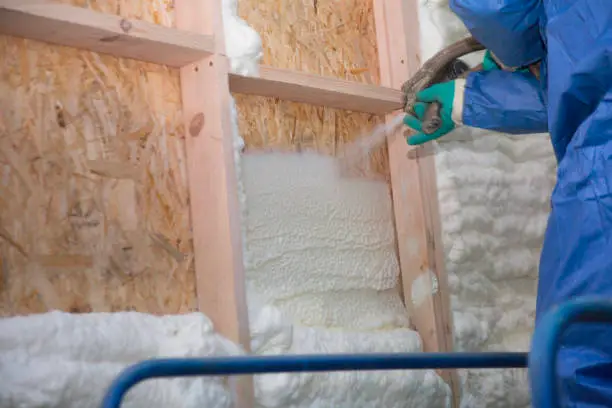
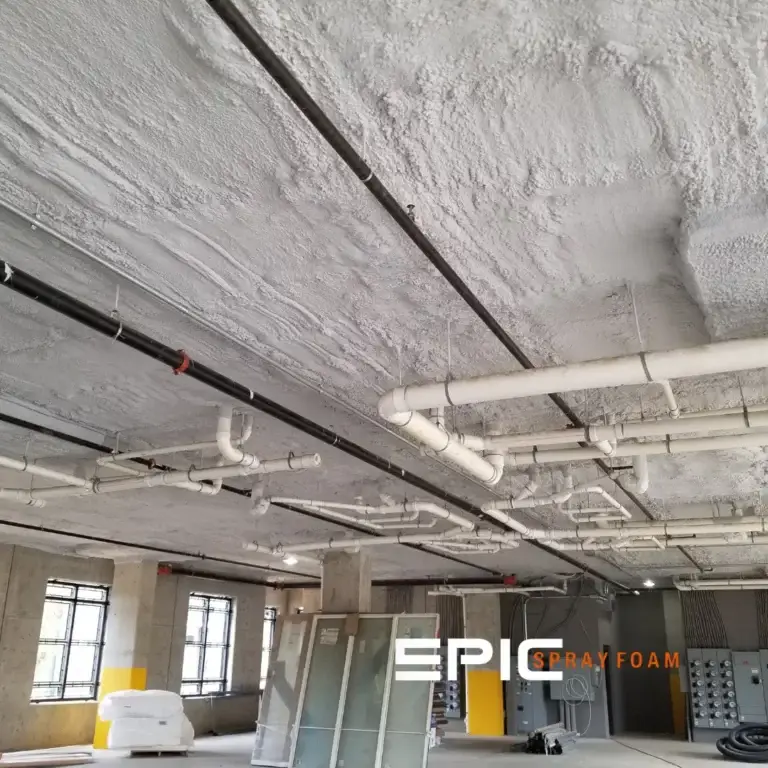
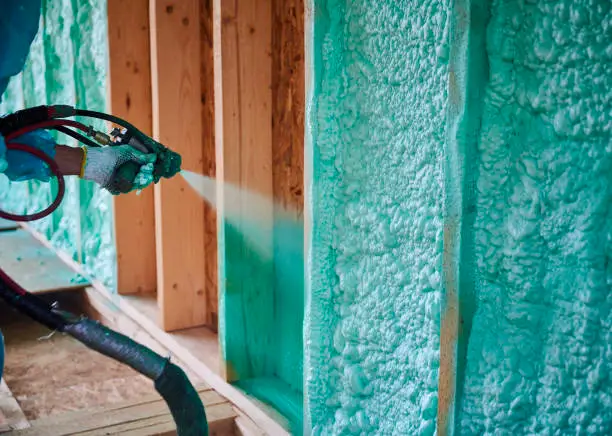
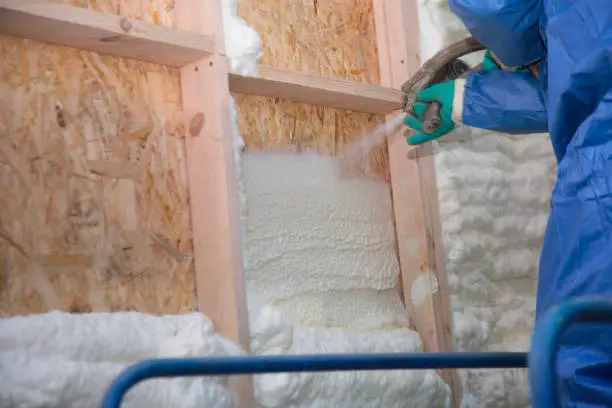
Spray foam insulation is a polyurethane foam that is sprayed into the wall cavity of a building. It can be utilized in both new or existing homes or commercial properties.The foam expands to fill the entire cavity and provides a blanket of insulation for the building. It creates a tight seal, serving as an excellent air and moisture barrier.
This type of insulation also has a high R-value, meaning it prevents the transfer of heat, keeping a space more comfortable.The foam can be applied as a one-sided or two-sided application. It can be used on wall cavities, above-grade walls, below-grade walls, below-grade foundations, attics, roof cavities, conditioned basements, and slab-on-grade floors.
Benefits of Spray Foam Insulation in Your Basement
When it comes to improving the energy efficiency of your home, installing spray foam insulation in your basement can help you enjoy several benefits.
The most important of these benefits is increased comfort. By reducing air infiltration and increasing the overall insulation value of your home, spray foam insulation for your basement can help reduce your energy bill. In fact, according to a recent Department of Energy study, homeowners who installed spray foam insulation saved an average of 20% on their heating and cooling costs.
Another significant benefit of spray foam insulation in basements is improved air quality. With proper insulation, you can keep this part of your home more clean and comfortable.
Spray foam insulation is also an effective way to protect against water damage in your basement. With less air infiltration, you can prevent flooding or condensation, ensuring this space remains dry and inviting.
In addition to improved air quality and moisture prevention, spray foam insulation can reduce noise, improve structural integrity, reduce mold, pollen, and other allergens, stop pest infestations, and eliminate musty odors, making this area of your home more safe and comfortable.
Types of Spray Foam Insulation
There are several different types of spray foam insulation used to upgrade your home. The most common spray foam insulation used in homes is polyurethane (poly) insulation.This type of spray foam insulation is a two-component system that consists of polyurethane as the carrier and foamer. Poly is a flexible, waterproof material that offers excellent sound resistance, while foamer is a high-performance, air-permeable material.
In contrast, mono-poly is a one-component insulation system with polyurethane as the carrier.Mono-poly insulation is less flexible than poly and has poor permeability, which makes it ideal for walls and ceilings where a more solid, rigid insulation is desired.
Factors to Consider When Choosing Spray Foam Insulation
Choosing the correct type of spray foam for your home can be tricky, so it is crucial to understand the factors that will affect your final decision. These factors include the type of walls in your home, the location of the windows and doors, and the overall space you are insulating.
Walls
If you have a concrete foundation, then you will likely want to choose polyurethane (poly) spray foam insulation due to its superior soundproofing capabilities. However, if you have a brick or hollow-core foundation, you will likely want to use mono-poly spray foam.
Windows and Doors
If you want to keep your windows and doors from leaking, then you will want to go with a closed-cell spray foam that is less porous. Furthermore, if you want to insulate your walls and ceiling, you will want a more permeable spray foam.
Space
The amount of space you are insulating and whether or not you want to insulate the entire space or just the basement will also impact your final decision. If you are only insulating the basement, then you will likely want to choose a spray foam that is less permeable to keep your basement comfortable and protected.
Materials Used in Spray Foam Insulation
In addition to spray foam, several other materials are used in the spray foam insulation process. These include adhesives, masonry sealants, and caulk.
Adhesives
Spray foam insulation is commonly sprayed with an adhesive-based adhesive. This helps to hold the foam in place and also helps to seal any gaps or cracks in the floors or walls.
Masonry sealants
Spray foam is also often applied using masonry sealants. These sealants act as a protective coating for the concrete or masonry walls, helping to prevent damage from water, insects, and other contaminants.
Caulk
Another vital component of spray foam insulation is caulk. This water-resistant sealant can fill gaps around windows and doors, as well as cracks and holes in the walls.
Whether your home is brand new or 100 years old, spray foam insulation is an excellent choice for your basement. In addition to enhancing this space’s overall cleanliness and atmosphere, spray foam can save you an average of 20% on your year-round energy bills.
A Worthwhile Investment For Your Basement
One of the greatest benefits of spray foam insulation is that it doesn’t require frequent updating and ongoing maintenance. It’s made to last throughout the lifespan of your structure, or approximately 80-100 years. It does not lose its shape or ability to resist air and moisture over time, as many common insulation materials do, saving you time, money, and frustration for years to come.
And, when you combine all these increased comfort, durability, and energy-efficiency benefits with the new 2023 insulation tax credit, the decision to upgrade to spray foam is a no-brainer!
Trust Epic Spray Foam With All Your Home’s Insulation Needs
Whether you’re building a new construction or finishing or re-finishing your existing home’s basement, Epic Spray Foam is here to help. We can complete a free on-site assessment of your space and your unique property needs and provide a same-day recommendation and quote for the most optimal and efficient insulation.
As a leading insulation contractor in Georgia, Epic Spray Foam is committed to excellent quality, service, and safety. We stand behind our work and will do everything possible to ensure our customers are fully satisfied with their products and services.
Call us at 833-362-6489 to schedule a free estimate for your property today.