Insulation and Pest Control: How Spray Foam Can Help You Keep Unwanted Critters Out Of Your Home

The sounds are coming from inside the house. As a homeowner, this statement can be your worst nightmare! If rats, mice, squirrels, raccoons, insects, birds, snakes, or other unwanted critters have ever infested your property, you know it can be a major nuisance. Not only do they cause expensive damage, but they also threaten your family’s health and safety. Pest infiltrations in your home’s harder-to-reach attic can be particularly inconvenient, leading to expensive pest control measures. 

If you’re considering spray foam insulation in your new construction or replacing the insulation in your already existing home, you may be wondering how it fits in with your pest management efforts. The good news is that spray foam will help you keep two of Georgia’s most common types of pests – rodents and insects – out of your home. 

Oh, Rats! 

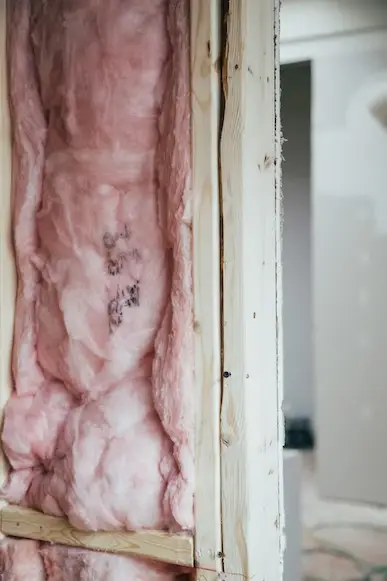
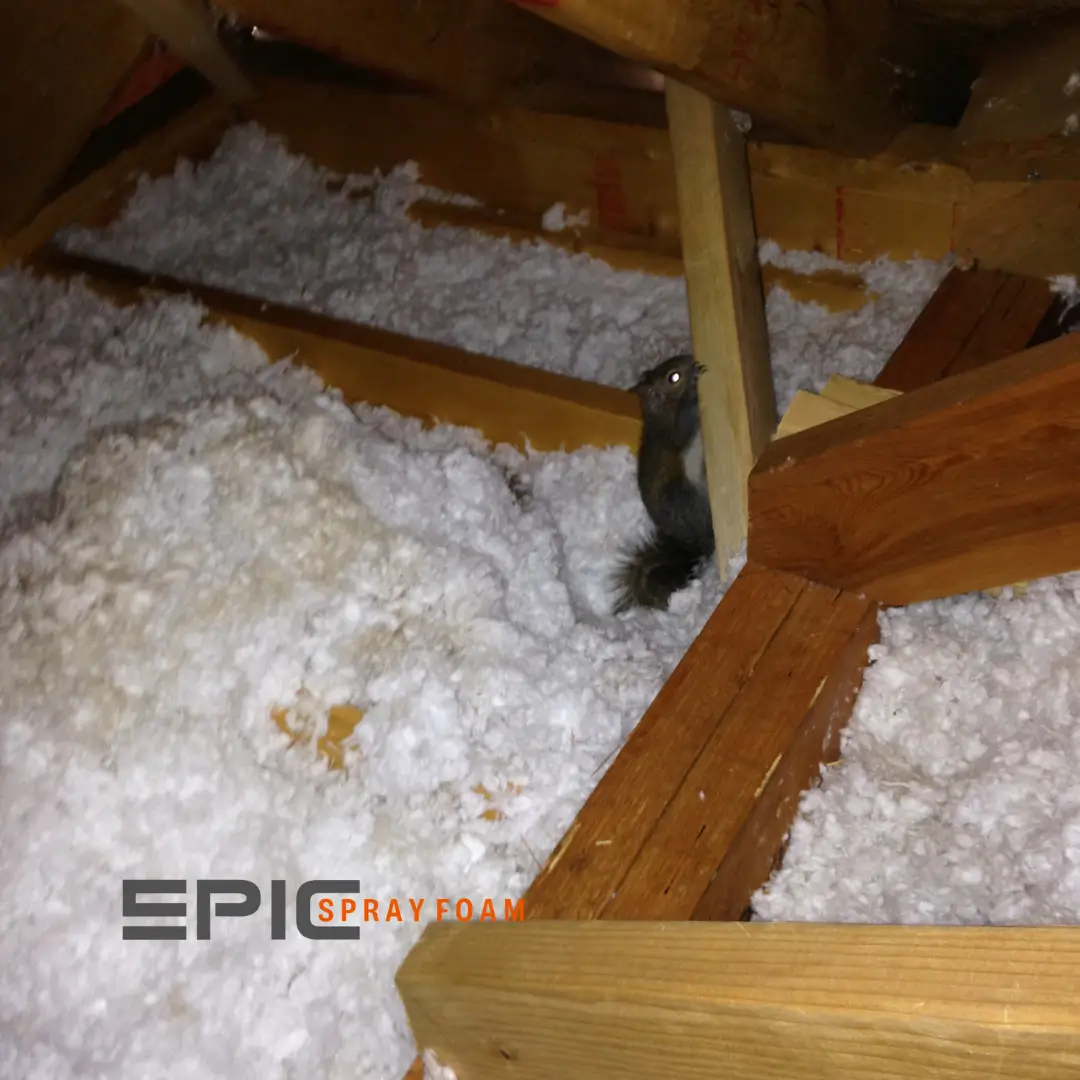
Mice, rats, and other rodents are common unwelcome visitors to attic spaces. As they seek refuge from predators and shelter from the elements, your attic is an enticing new home. They love nesting in the warmth of old blown in fiberglass insulation and creating tunnels and passageways among your boxes of Christmas decorations! Thankfully, spray foam insulation can help keep these rodents, as well as the property damage and safety concerns that come along with them, out of your house for good. 

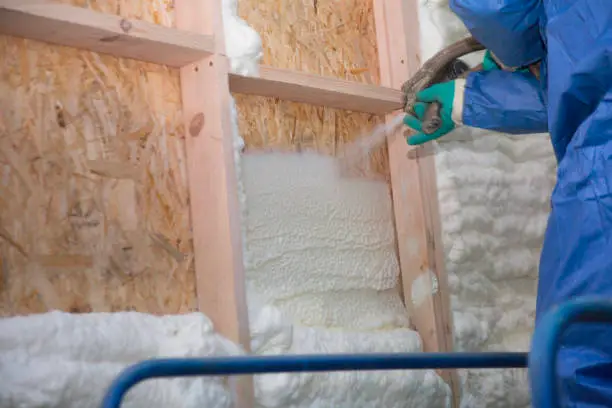
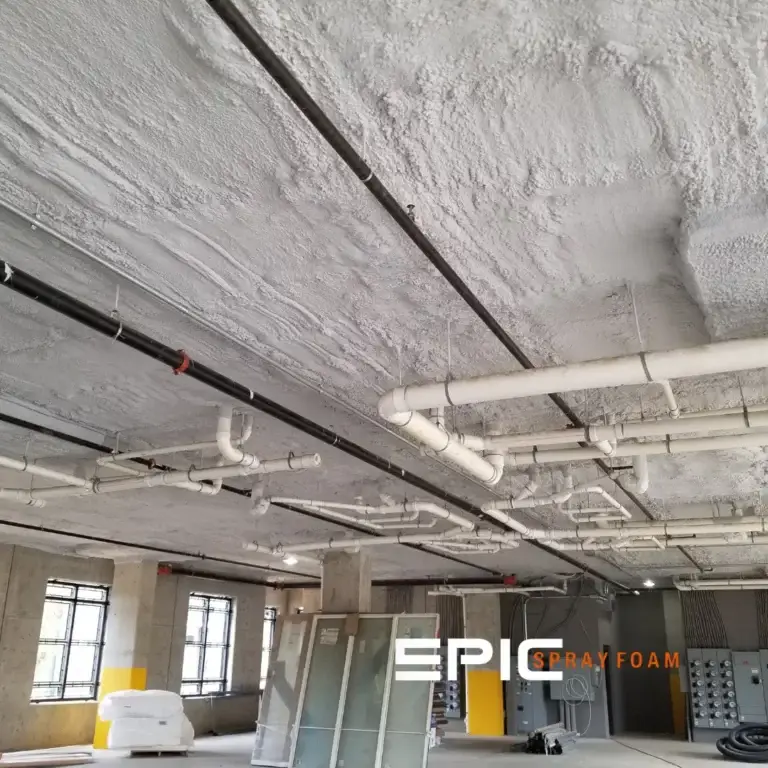
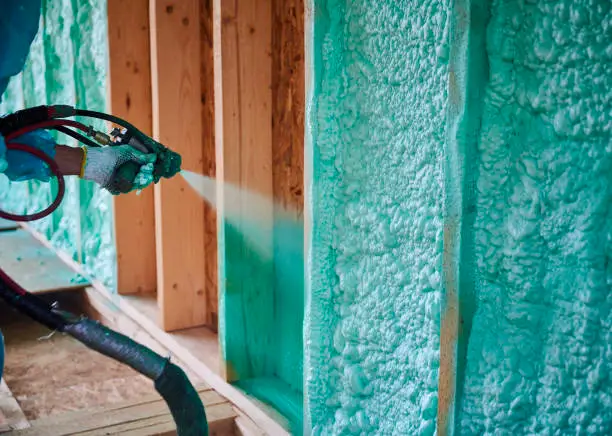
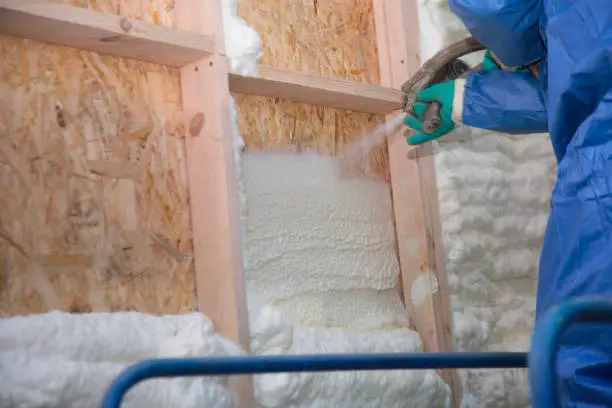
When spray foam is installed, it provides a full attic encapsulation. This means that it seals up any existing penetrations that rodents and other creepy crawlers have created, closing off even the smallest openings where they could sneak in. Spray foam provides a much tighter seal and more durability than fiberglass insulation. While it’s true that rats can chew through almost anything, and they could theoretically still chew through your spray foam barrier, these rodents are also lazy by nature. When faced with a spray foam barrier, they will take the path of least resistance, deterring them from infiltrating your residence. 

If a rodent does make entry through spray foam, there is nowhere for them to bed down, because the blown-in fiberglass has been removed. It’s also much easier to hear rodents when they walk directly on sheetrock. With spray foam insulation, you can quickly locate a pest’s  penetration point, so it can be sealed with metal mesh and a canned foam product like Great Stuff. 

Insects are another type of pest looking for a warm, safe place to hide in your home’s attic. Since many homeowners don’t go into their attics and crawl spaces very often, bugs can make their homes in these places undisturbed. Some of the most common critters to infest attics are bed bugs, bees, moths, and termites, but any insects common to your area can access your residence through the tiniest of gaps and crevices. 

Keeping the Bugs at Bay

Once again, spray foam insulation can help keep these insects and the headaches they bring at bay by sealing up your attic’s cracks and openings. Spray foam also makes your attic less inviting to bugs by reducing the moisture, mold, and mildew that attracts them. 

Another pest management benefit of spray foam insulation is that if an animal were to chew through and access your attic, foam makes the detection process a breeze. Spray foam insulation is easy to inspect, making it simple to find any pest penetration points. If there is any kind of opening in the foam barrier, you would swiftly know you had a pest culprit. Spray foam also makes it easier to hear any animals scurrying on your attic floor, so you can quickly detect and eradicate the pest problem. 

Let Epic Spray Foam Partner with You In Your Pest Management Efforts 

As a leading insulation contractor in Georgia, Epic Spray Foam will partner with you in 

your home pest control measures. We are committed to quality and service, and will do everything we can to make sure our customers are fully satisfied. Give us a call at 833-362-6489 to schedule your free estimate today!
Learn more at EpicSprayFoam.com
Spray Foam on Existing Walls

Spray Foam on Existing Walls

Are you tired of feeling the chill in your home during winter? Or maybe you’re fed up with the high energy bills that come with trying to keep your home cool during hot summers. An effective solution is available to help with both issues: spray foam insulation on existing walls. This innovative insulation method is becoming increasingly popular among homeowners

Read More
attic insulation

How Much Insulation Do I Need In My Attic?

If you’re wondering how much insulation you need in your attic, you’re not alone. It’s an important question to ask, as the right amount of insulation can make a big difference in your home’s energy efficiency and comfort. Insulating your attic is an essential step in making your home as energy-efficient as possible. The right amount of insulation can reduce

Read More
What Is Insulation

What Is Insulation?

Insulation is a critical element of any home or business structure. It is essential to understand what insulation is and how it works to utilize it to its fullest potential. Insulation is an effective way to reduce energy costs, increase comfort levels, and protect the environment. It helps regulate temperatures, maintain safety and cleanliness, reduce noise, and conserve energy. In

Read More
Spray Foam Insulation for Your Basement

Spray Foam Insulation for Your Basement

Are you looking for a way to improve the energy efficiency of your home? Spray foam insulation for your basement might be the answer. Spray foam insulation is an effective and efficient way to help regulate the temperature in your basement and keep this space more quiet, safe, and comfortable.  With so many benefits for areas throughout a structure, it’s

Read More
image 4

Pros and Cons of Spray Foam Insulation

Spray foam insulation has been available to homeowners since1986. This product is utilized in a wide variety of new infrastructure projects because of its advantages in terms of comfort and energy savings.  Attics can be converted with a functional addition that reduces utility expenses and makes a house feel more like a home. Poor insulation can be improved, and the

Read More
sprayfoamvsblowninsulation (1)

Spray Foam vs. Blown-In Insulation​​

When it comes to home insulation, you have a lot of options. Both blown-in insulation and spray foam are terrific ways to keep your home warm in the winter and cool in the summer. Finding the right one is right for your home will depend on several factors: Depending on your answers to these questions, one type of insulation may

Read More

3 Important Safety Questions to Answer Before Starting Your Spray Foam Insulation Project 

Whether you’re considering spray foam insulation for your new construction, or you’re thinking about upgrading the insulation in an already existing building, it’s important to do your research on the front end. After all, the type of insulation you choose will impact not only your monthly energy bills and overall property resale value, but also the cleanliness, safety, and comfort

Read More

Spray Foam Insulation vs. Batt Insulation

When it comes to improving your home’s energy efficiency, you have many different options. Both spray foam insulation and batt insulation can be great ways to reduce energy costs while also keeping your home comfortable year-round. When choosing between these two insulation types, however, you’ll need to consider a variety of factors before making a final decision. This article will

Read More

Spray Foam R-Value – What You Need To Know

The performance of insulation is measured by its R-value (heat resistance). The higher the R-value, the better the insulating properties of the material. For example, materials with high R-values resist heat and keep it from transferring through a wall or ceiling. Many different types of insulation are on the market today, but one that continues to grow in popularity is

Read More

Why Does My AC Run All of The Time?

Most Georgia homeowners have experienced one or two hot days where the humidity level is high, the sun is shining bright, and the temperature is HOT. On days like those it’s not uncommon for your HVAC unit to be put to the test to keep your home cool (or at least not sweltering). If you notice your HVAC unit is

Read More