How to Protect Your Attic Storage

Your attic can be a treasure trove of memories and seasonal essentials, from holiday decorations and family keepsakes to baby clothes and sentimental photo albums. But without the proper protection, extreme heat, moisture, and pests can turn this valuable space into a danger zone for your belongings.

Whether you’re storing cherished heirlooms, seasonal decorations, or extra sweaters, here are smart ways to keep your attic, and everything in it, safe all year round.

Choose the Right Containers

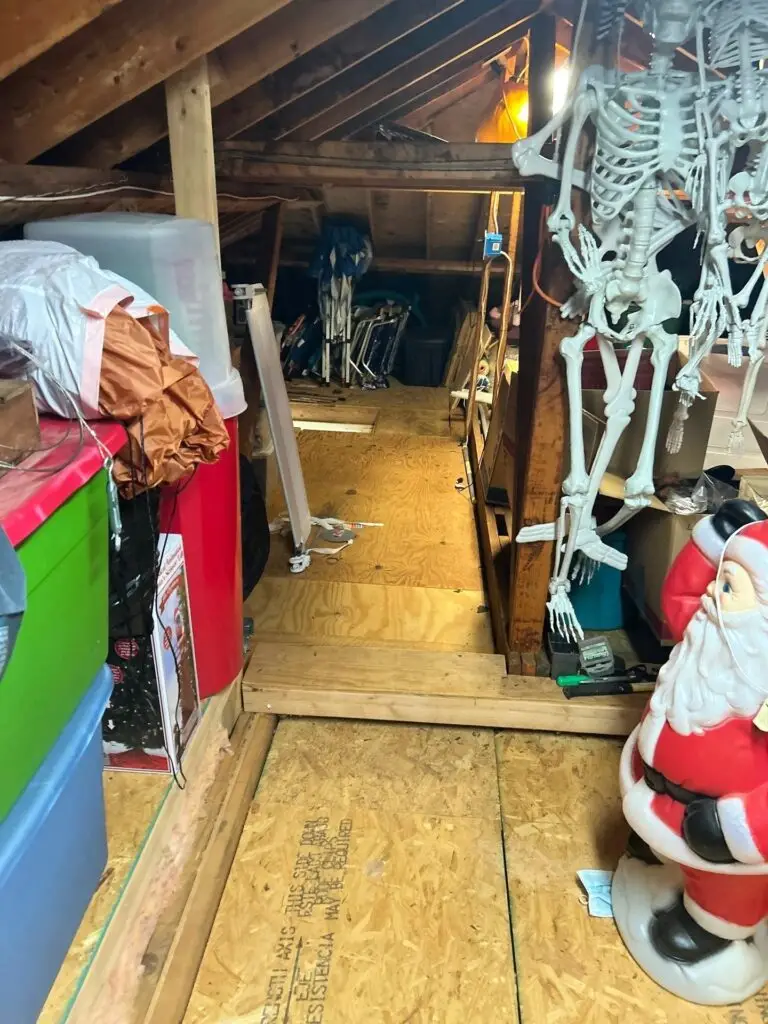
Avoid cardboard boxes, which attract pests and absorb moisture. Instead, opt for airtight plastic containers that keep dust, humidity, and critters out. Label each container clearly and stack them securely to avoid tipping or crushing fragile items. Pro tip: use clear bins to quickly see what is inside of them, or color-coded bins such as red and green for Christmas, orange for Halloween, etc. 

Protect Seasonal Items and Keepsakes

Holiday ornaments, family keepsakes, and seasonal items often have sentimental value and are prone to heat damage and pest interference. Wrap delicate items in acid-free tissue paper, and keep candles or wax items in cool, shaded spots. If your attic is not temperature regulated, you may want to avoid storing them in the attic altogether.
how to protect attic storage

Shield Clothing and Linens

If you’re rotating wardrobes, storing extra bedding, or trying to preserve a wedding gown for future generations, use vacuum-sealed bags to save space and protect against moisture and insects. High temperatures can cause clothing fibers to degrade, leading to brittleness, loss of stretch, and permanent damage like sagging or cracking. Prolonged exposure to high temperatures also accelerates discoloration and shortens the lifespan of clothing materials. Avoid storing anything with food stains or scents that could attract pests.

Preserve Photos and Paper Goods

Family photographs, scrapbooks, and important documents can fade, warp, or mold in high temperatures and humidity. Place these items in climate-resistant photo storage boxes, and avoid stacking anything heavy on top of them.

Keep Pests at Bay

Rodents, insects, and even birds can sneak into poorly-sealed attics, chew through your boxes, and nest in your insulation. Use natural deterrents like cedar or lavender sachets, and check for any small openings or signs of critter activity regularly.

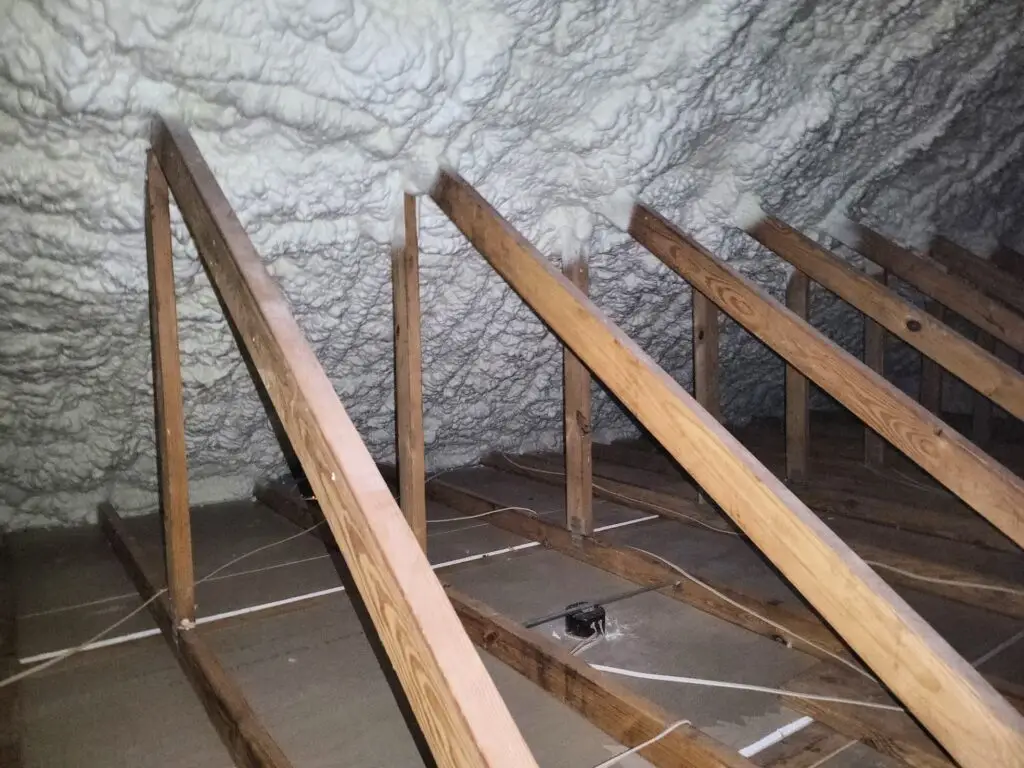
The Game-Changer: Spray Foam Insulation

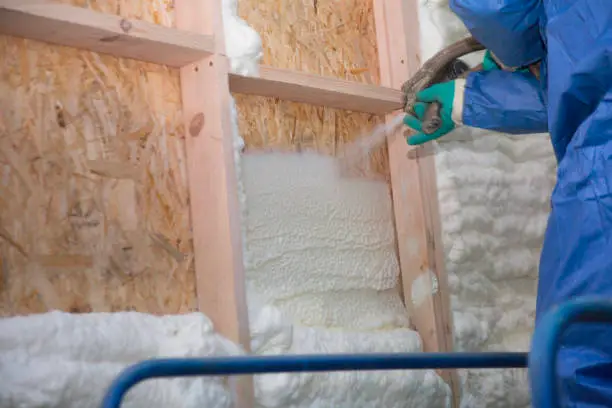
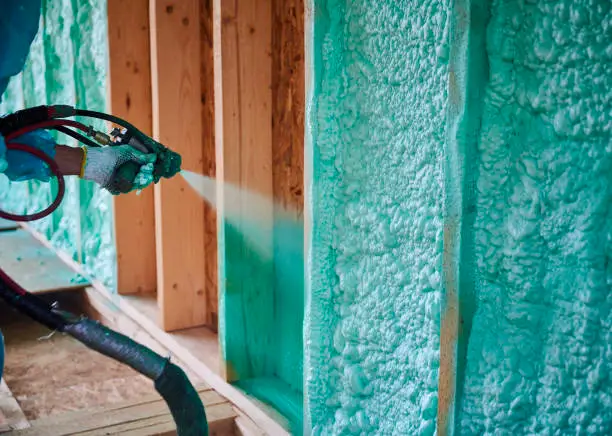
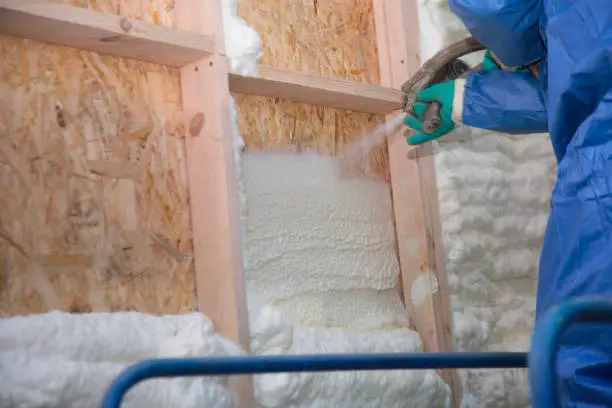
Here’s the truth: a properly insulated attic is your best defense against extreme temperatures and pests. That’s where spray foam insulation makes all the difference.

  • Temperature & Moisture Control: Spray foam creates a tight seal that keeps your attic cooler in the summer and warmer in the winter, protecting heat-sensitive items like candles, photos, fabrics, and electronics. It also  provides a moisture-resistant barrier. Unlike other types of insulation, spray foam is highly resistant to mold or mildew growth, making it ideal for attics prone to dampness and humidity.

  • Pest Barrier: Unlike traditional insulation, spray foam fills gaps and cracks where pests typically sneak in. Its dense structure deters rodents and insects from nesting or chewing through it.

Energy Efficiency: Bonus: your home stays more comfortable and energy-efficient, saving you money while keeping your storage safe. In fact, homeowners who upgrade to spray foam insulation save an average of 20% on their monthly energy bills! 
how to protect attic storage 2

Ready to Protect Your Attic?

Your attic doesn’t have to be a forgotten, overheated storage graveyard! With the right steps, and the right insulation, you can turn it into a safe, functional space for years to come.

Reach out to Epic Spray Foam today for a free attic insulation estimate and discover how we can help protect what matters most.

Call 833-362-6489 to schedule your free home assessment today!
 

Spray Foam on Existing Walls

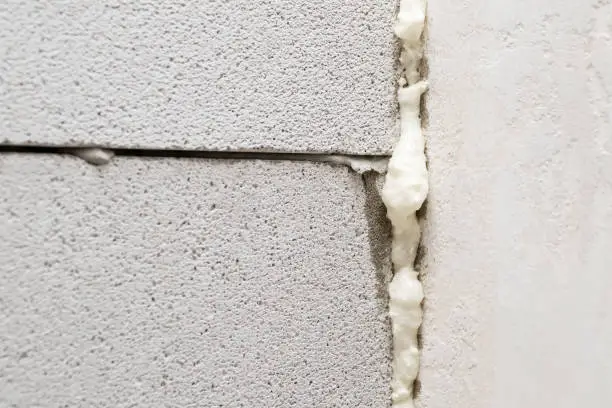
Spray Foam on Existing Walls

Are you tired of feeling the chill in your home during winter? Or maybe you’re fed up with the high energy bills that come with trying to keep your home cool during hot summers. An effective solution is available to help with both issues: spray foam insulation on existing walls. This innovative insulation method is becoming increasingly popular among homeowners

Read More
attic insulation

How Much Insulation Do I Need In My Attic?

If you’re wondering how much insulation you need in your attic, you’re not alone. It’s an important question to ask, as the right amount of insulation can make a big difference in your home’s energy efficiency and comfort. Insulating your attic is an essential step in making your home as energy-efficient as possible. The right amount of insulation can reduce

Read More
What Is Insulation

What Is Insulation?

Insulation is a critical element of any home or business structure. It is essential to understand what insulation is and how it works to utilize it to its fullest potential. Insulation is an effective way to reduce energy costs, increase comfort levels, and protect the environment. It helps regulate temperatures, maintain safety and cleanliness, reduce noise, and conserve energy. In

Read More
Spray Foam Insulation for Your Basement

Spray Foam Insulation for Your Basement

Are you looking for a way to improve the energy efficiency of your home? Spray foam insulation for your basement might be the answer. Spray foam insulation is an effective and efficient way to help regulate the temperature in your basement and keep this space more quiet, safe, and comfortable.  With so many benefits for areas throughout a structure, it’s

Read More
image 4

Pros and Cons of Spray Foam Insulation

Spray foam insulation has been available to homeowners since1986. This product is utilized in a wide variety of new infrastructure projects because of its advantages in terms of comfort and energy savings.  Attics can be converted with a functional addition that reduces utility expenses and makes a house feel more like a home. Poor insulation can be improved, and the

Read More
sprayfoamvsblowninsulation (1)

Spray Foam vs. Blown-In Insulation​​

When it comes to home insulation, you have a lot of options. Both blown-in insulation and spray foam are terrific ways to keep your home warm in the winter and cool in the summer. Finding the right one is right for your home will depend on several factors: Depending on your answers to these questions, one type of insulation may

Read More

3 Important Safety Questions to Answer Before Starting Your Spray Foam Insulation Project 

Whether you’re considering spray foam insulation for your new construction, or you’re thinking about upgrading the insulation in an already existing building, it’s important to do your research on the front end. After all, the type of insulation you choose will impact not only your monthly energy bills and overall property resale value, but also the cleanliness, safety, and comfort

Read More

Spray Foam Insulation vs. Batt Insulation

When it comes to improving your home’s energy efficiency, you have many different options. Both spray foam insulation and batt insulation can be great ways to reduce energy costs while also keeping your home comfortable year-round. When choosing between these two insulation types, however, you’ll need to consider a variety of factors before making a final decision. This article will

Read More

Spray Foam R-Value – What You Need To Know

The performance of insulation is measured by its R-value (heat resistance). The higher the R-value, the better the insulating properties of the material. For example, materials with high R-values resist heat and keep it from transferring through a wall or ceiling. Many different types of insulation are on the market today, but one that continues to grow in popularity is

Read More

Why Does My AC Run All of The Time?

Most Georgia homeowners have experienced one or two hot days where the humidity level is high, the sun is shining bright, and the temperature is HOT. On days like those it’s not uncommon for your HVAC unit to be put to the test to keep your home cool (or at least not sweltering). If you notice your HVAC unit is

Read More