Are you looking to make some energy-efficiency upgrades to your property? Maybe you’re tired of paying sky-high energy bills every month, or perhaps you just want to make your space more comfortable while reducing your carbon footprint.
A few small changes can make a big impact on your ongoing energy consumption. For example, simple steps like upgrading your insulation, replacing old appliances with energy-efficient ones, and installing smart thermostats can greatly increase your energy bang for your buck. Not only will you enjoy a more quiet, clean, and healthy home, but you’ll also be doing your part to protect the environment.
Here are three simple ways to improve your home’s energy efficiency, save money on your monthly energy bills, and do your part for a more sustainable future.
Benefits of Energy-Efficient Home Improvement
Cost Effective
Energy-efficient home improvements can reduce your energy bills and help you save money in the long run. By making simple changes to your home, you can significantly reduce your energy consumption and help protect the environment.
Comfortability
Energy-efficient homes are also more comfortable and healthier to live in. They have better air quality, more natural light, and fewer drafts.
Increase Your Home’s Value and Demand
Another significant advantage of energy-efficient home improvements is the increase in the value of your home. According to the National Association of Home Builders, energy-efficient homes can sell for up to 9% more than traditional homes.
Energy-efficient homes are also in high demand among homebuyers. In a recent National Association of Home Builders survey, 90% of homebuyers said energy-efficient features were essential or desirable in their new homes.
Energy-Saving Statistics for Homes
The energy used in homes has been increasing steadily over the years. However, you can significantly reduce your energy consumption by making simple changes to your home. Here are some of the most recent residential energy-saving statistics that prove how simple changes can make a significant impact on your energy consumption and your wallet.
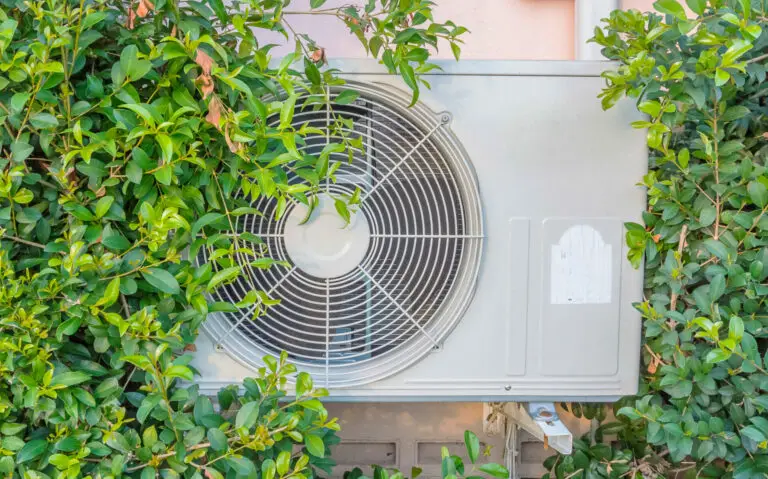
- Heating and cooling account for 50–70% of the energy used in the average American home.
- Upgrading your insulation can save up to 20% on your heating and cooling costs.
- You can save up to 30% on your energy bills by replacing old appliances with energy-efficient ones.
- By using smart thermostats, you can save up to 10% on your heating and cooling costs.
Areas of Your Home That Can Be Improved For Maximum Energy Savings
Upgrading Your Insulation And Sealing Air Leaks
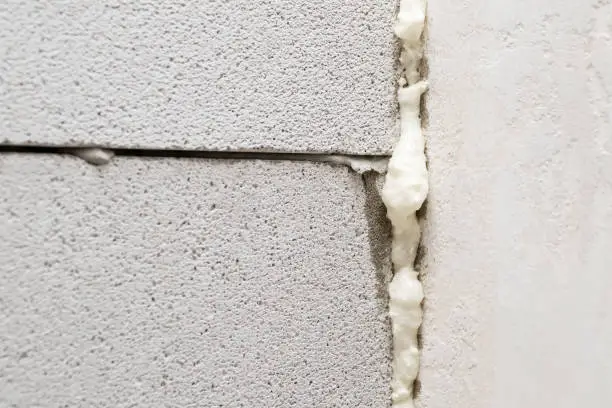
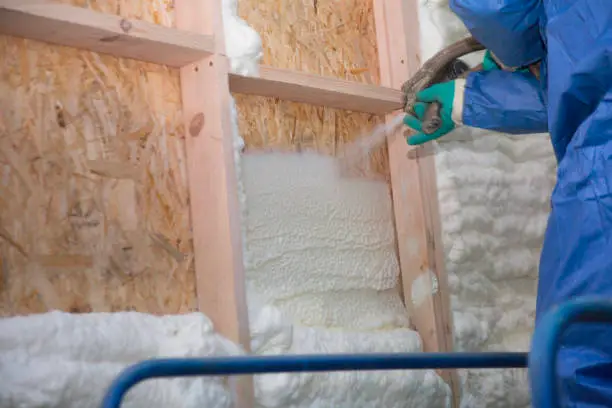
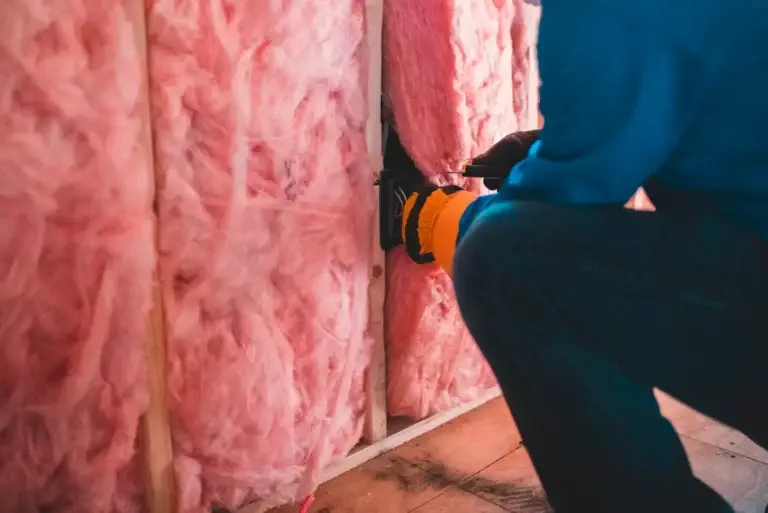
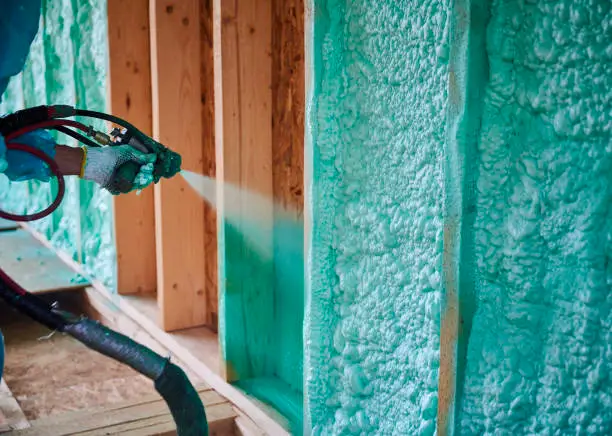
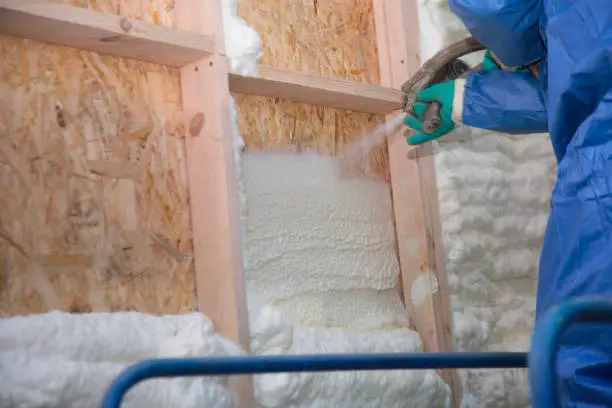
Upgrading your insulation and sealing air leaks is one of the most effective ways to improve your home’s energy efficiency. Insulation helps keep your home warm in the winter and cool in the summer. It also helps reduce noise and improve air quality. Sealing air leaks helps reduce drafts and prevent heat loss.
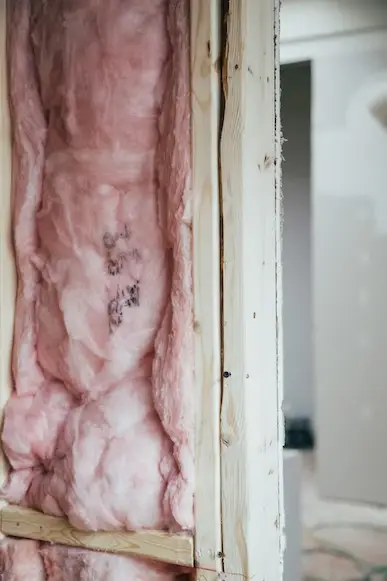
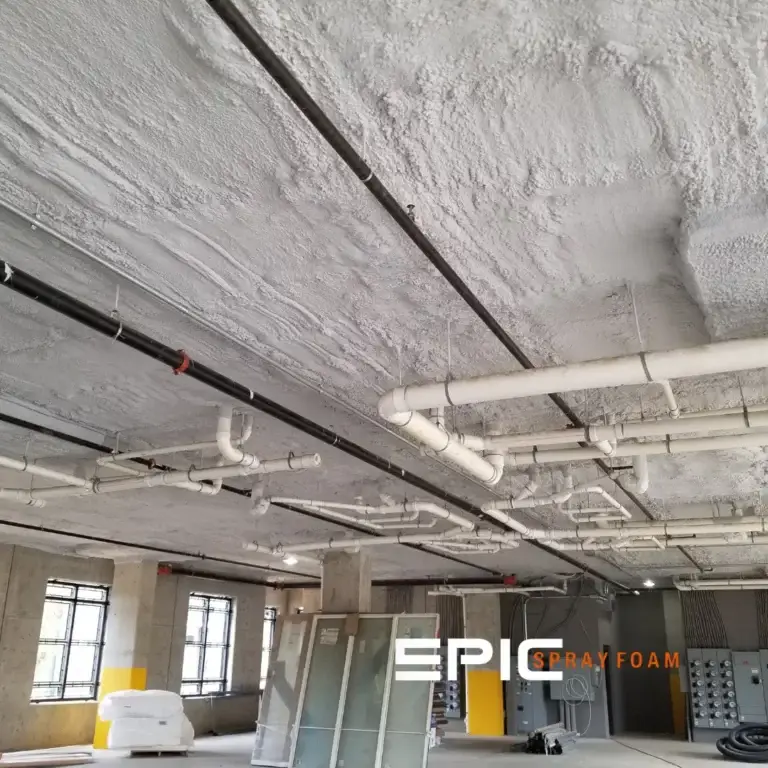
Several types of insulation are available, including spray foam, fiberglass, and cellulose. The type of insulation you choose will depend on your budget and the area you need to insulate. Insulation can be installed on walls, floors, and ceilings.
Installing Energy-Efficient Windows and Doors
Installing energy-efficient windows and doors is another effective way to improve your home’s energy efficiency. In addition to keeping your home warm in the winter and cool in the summer, they help reduce noise and improve air quality.
Energy-efficient windows and doors are made with special coatings and materials that help reduce heat loss and gain. They also have better seals and frames that help reduce drafts. Several types of energy-efficient windows and doors are available, including double-pane windows, low-emissivity windows, and insulated doors.
Upgrading to Energy-Efficient Appliances and Lighting
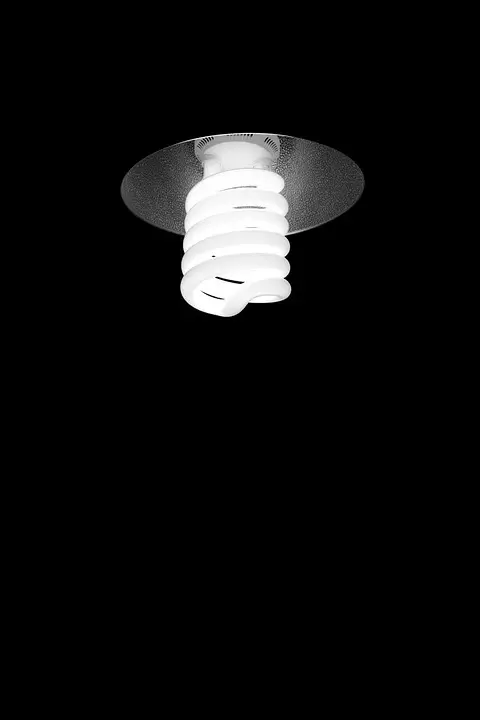
Upgrading to energy-efficient appliances and lighting is another effective way to improve your home’s energy efficiency. Energy-efficient appliances use less energy than traditional ones, which can help reduce your energy bills. Energy-efficient lighting also uses less energy and lasts longer than traditional lighting.
When shopping for energy-efficient appliances, look for appliances with the ENERGY STAR label. Energy Star is a government-backed program that helps consumers identify energy-efficient products. When shopping for energy-efficient lighting, look for LED bulbs. LED bulbs use up to 75% less energy than traditional incandescent bulbs.
Using Smart Home Technology to Save Energy
Using smart home technology is another effective way to improve your home’s energy efficiency. Smart thermostats, for example, can help you save up to 10% on your heating and cooling costs. These thermostats learn your habits and adjust the temperature accordingly, so you’re always comfortable and energy-efficient.
Financing Options for Energy-Efficient Home Improvements
There are several financing options available for energy-efficient home improvements. These include rebates, tax credits, and loans. Local utility companies offer rebates and cover a portion of the cost of energy-efficient home improvements. Loans are available through banks and other financial institutions and allow you to finance the cost of energy-efficient home improvements.
The federal government offers tax credits and allows you to deduct a portion of the cost of energy-efficient home improvements from your taxes. With the new 2023 insulation tax credit, residential homeowners can claim 30% of product costs, with a maximum credit amount of $1,200.
Improving your home’s energy efficiency is a wise investment for both your wallet and the environment. So, what are you waiting for?
Feel the Difference with Epic Spray Foam!
As a leading insulation contractor in Georgia, Epic Spray Foam is committed to excellent quality, service, and safety. We stand behind our work and will do everything possible to ensure our customers are fully satisfied with their products and services.
When you choose Epic Spray Foam for your home insulation needs, you can feel the difference with our precision, punctuality, and commitment to excellence. Take the first step towards a more sustainable and cost-effective future today.
Call us at 833-362-6489 to schedule a free assessment of your property.