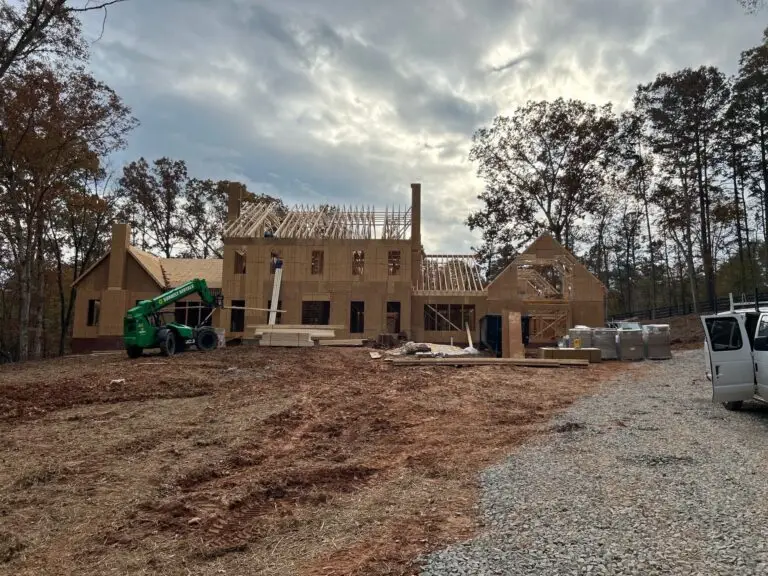
If you’re in the process of building a new home, you already know how many decisions need to be made — from layout and flooring to fixtures and finishes. But your selections come down to so much more than your style tastes and preferences. Every choice you make lays the foundation for comfort, energy efficiency, and long-term value.
With so many decisions on your plate, it’s easy to overlook what’s behind the walls. But when it comes to the long-term comfort, efficiency, and air quality of your new space, choosing the right insulation is crucial!
At Epic Spray Foam, we often get asked, “What’s the best insulation for new construction homes?” And while there’s no one-size-fits-all answer, there are certain insulation materials that are optimal for the various areas of a home. Let’s break down the options, and how they compare in value, durability, and efficiency.
Why Insulation Matters in A New Construction
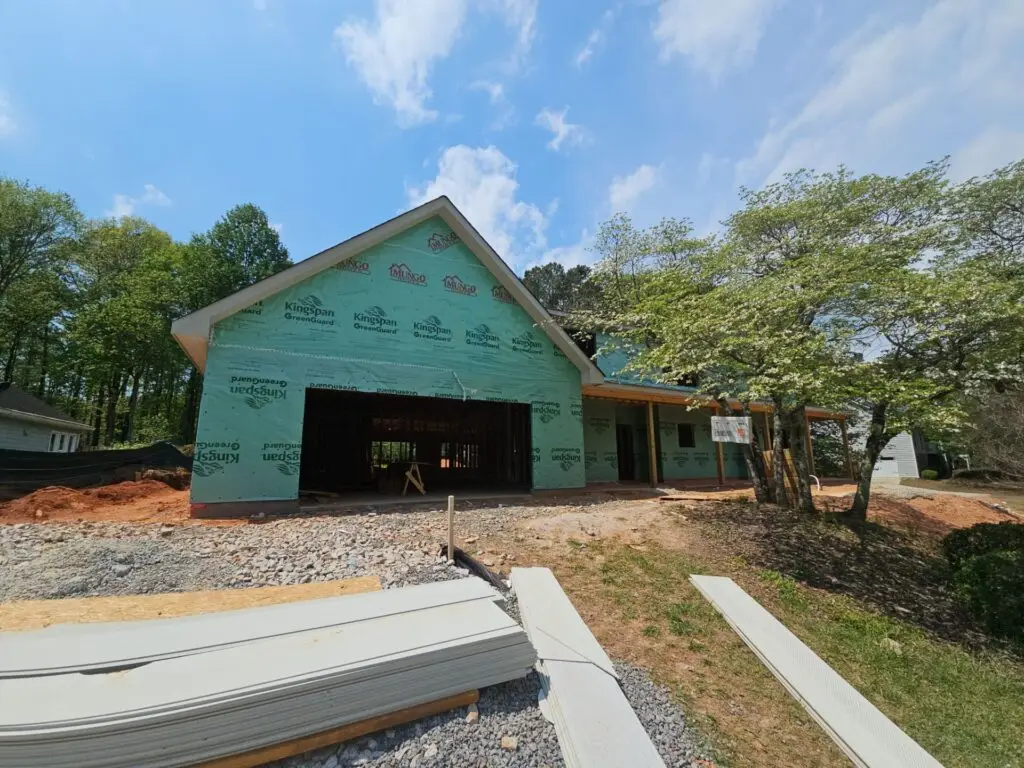
Proper insulation serves as a structure’s invisible shield. It keeps the interior comfortable through the four seasons, lowers energy bills, reduces noise pollution, and even improves indoor air quality. In a new construction, you have the unique opportunity to hand-pick insulation that delivers long-term performance — before drywall or finishes go up.
The Most Common Types of Insulation
Fiberglass
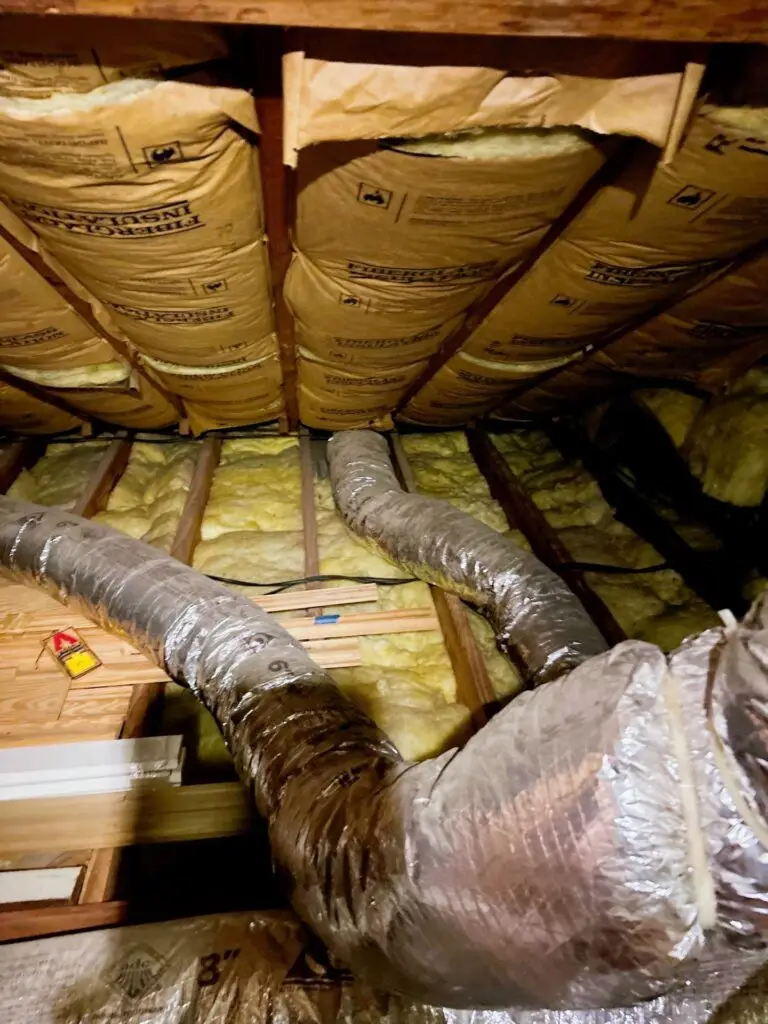
Fiberglass is the most traditional insulation material, typically seen in pink or yellow rolls or as a loose material that is blown in. It is optimal for some interior walls and ceilings where cost is a primary factor.
Pros:
- Budget-friendly
- Easy to install
- Readily-available
Cons:
- Less effective air sealing
- Sags or compresses over time
- Prone to moisture and mold issues
- Needs to be replaced or replenished every 5-10 years
- Welcoming and easily accessible to pests
Cellulose
Made from recycled paper products, cellulose is blown into wall cavities and attics. While still available, we stopped installing cellulose years ago because of the advancement in other technologies.
Pros:
- Environmentally friendly
- Fills irregular spaces better than batts
Cons:
- Can settle over time
- Produces a significant amount of dust
- Prone to moisture absorption
- Can be a fire hazard if not appropriately treated
- Lower R-value compared to spray foam
Spray Foam Insulation
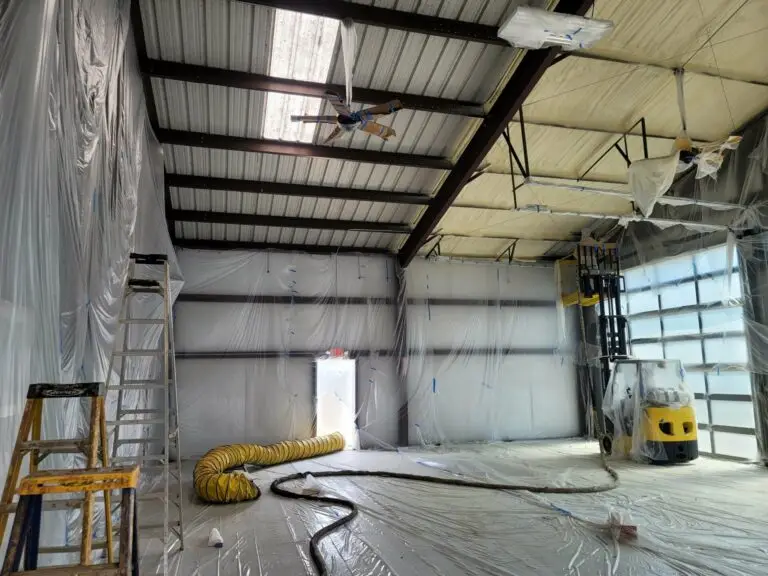
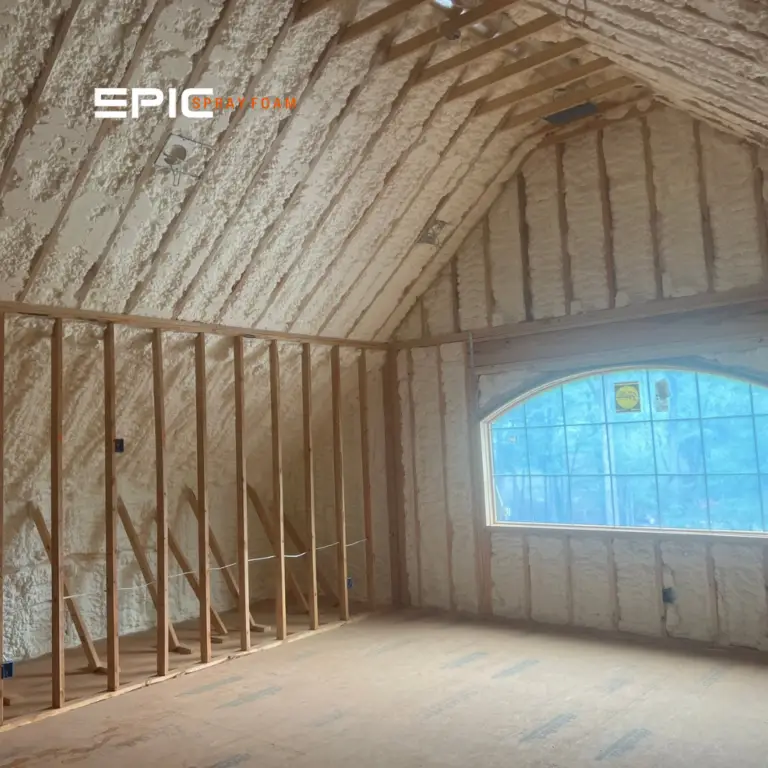
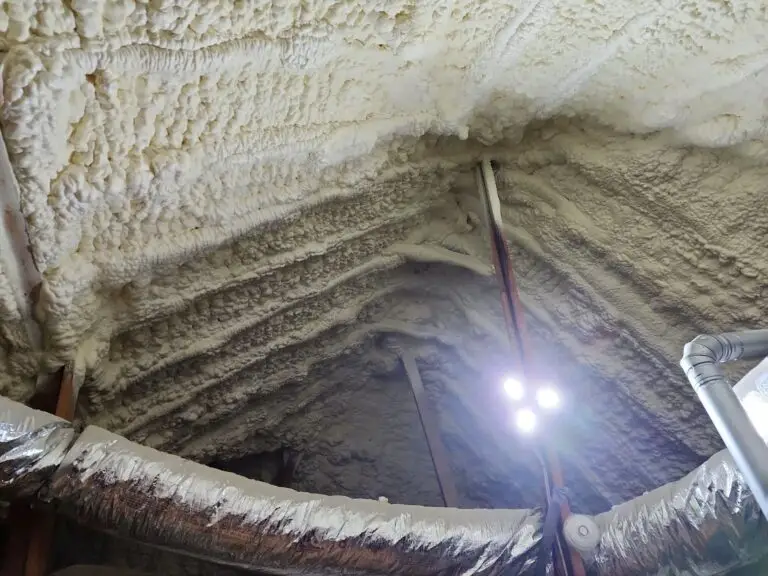
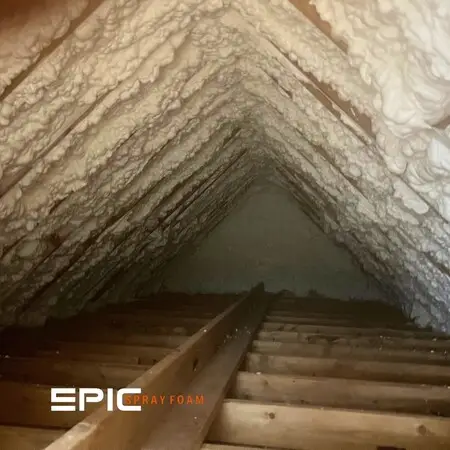
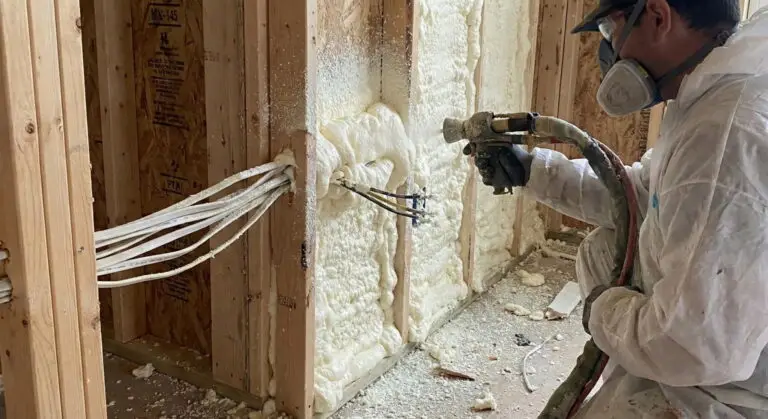
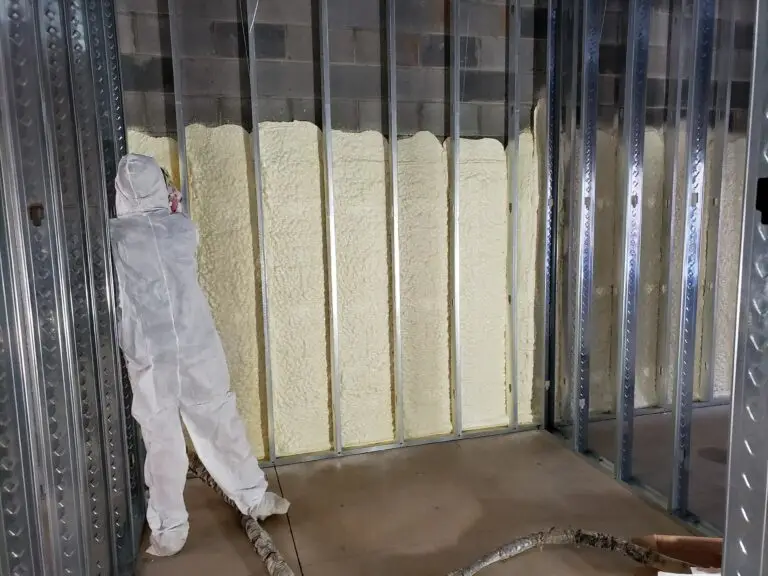
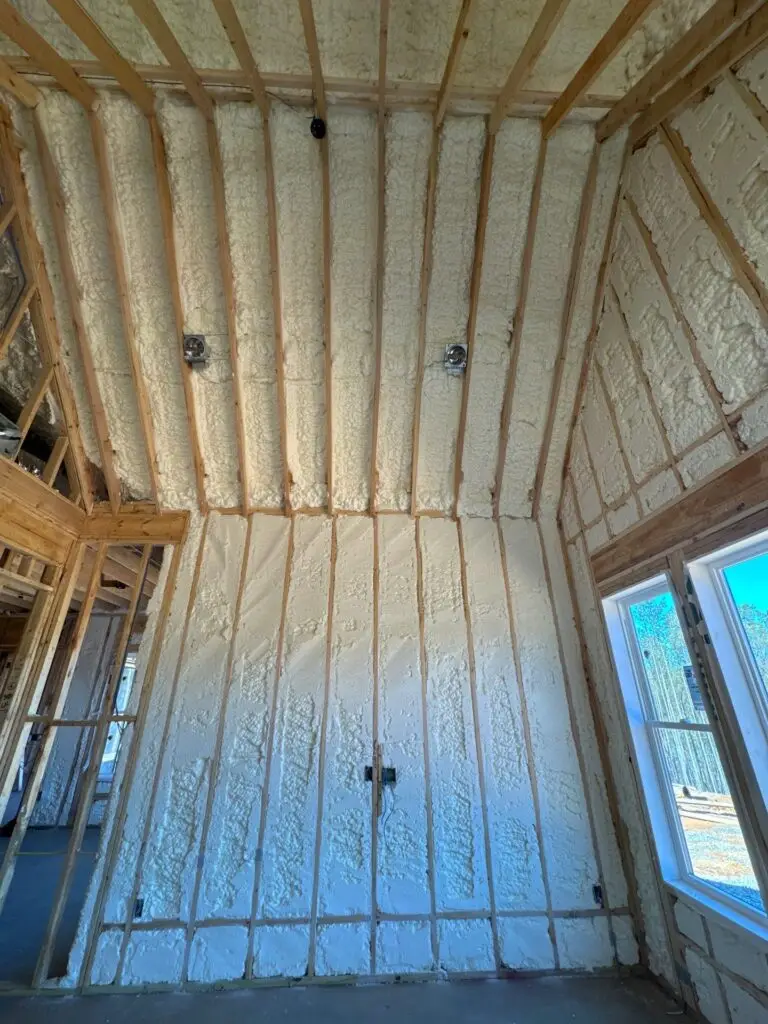
Spray foam is a high-performance material that expands to fill every crack, crevice, and gap. It’s the superior option for whole-home insulation. The cost of spray foam in a new build results in an average of $50 more on a monthly mortgage, but homeowners’ energy savings usually exceeds $50 per month, leading to a positive return on investment, even in the first month. There are two main types of spray foam insulation:
- Closed-cell spray foam – Dense, rigid, and moisture-resistant with a high R-value per inch, the preferred option for metal structures and crawlspaces
- Open-cell spray foam – lightweight and durable, open-cell is most often used in walls and attic spaces
Pros:
- Superior air sealing
- High R-value
- Reduces energy costs (Can reduce monthly energy bills by an average of 20%)
- Acts as a moisture and vapor barrier
- Long lifespan, approximately 80-100 years
Cons:
- Spray foam is a bigger up-front investment, about 10% more than fiberglass (However, most homeowners experience a return on that investment within the first months living in their new home).
Rockwool
Mineral wool insulation is made from spun rock or slag and is available in batts or loose fill. It’s a great option for basement ceilings and home theatres.
Pros:
- Fire-resistant
- Sound-absorbing
- Moisture-resistant
- Eco-friendly
Cons:
- Limited installation applications (Can be challenging to install in tight spaces)
- More expensive than fiberglass
What’s the Best Choice?
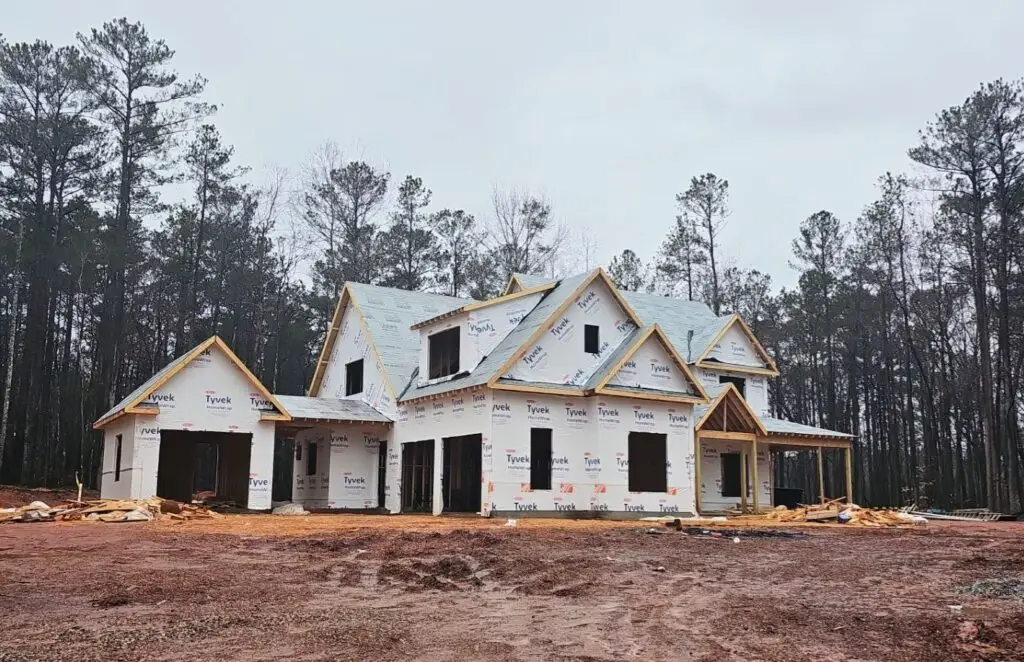
While every home and budget is different, spray foam insulation consistently proves to be the best long-term investment for new construction. Why?
- It outperforms other materials in thermal resistance (R-value).
- It creates a tight building envelope, minimizing air leakage.
- It helps control humidity, improving indoor air quality.
- It can significantly reduce heating and cooling costs — often paying for itself over time.
At Epic Spray Foam, we specialize in professional spray foam installation for new builds, giving your home a head start in energy efficiency and durability.
Invest in the Best For Your New Build
A new build provides the opportunity to do things right the first time — and that starts with premium insulation. Whether you’re building your first house or your forever home, spray foam insulation offers unmatched performance, savings, and peace of mind.
Ready to make your new home more efficient, comfortable, and protected? Contact Epic Spray Foam today for a free consultation or to get started on your quote. If you’re still in the planning stages, or you’re insulation-ready, we are here to provide customized expertise and top-notch customer service.
Call us at 833-362-6489 to schedule a free estimate today!