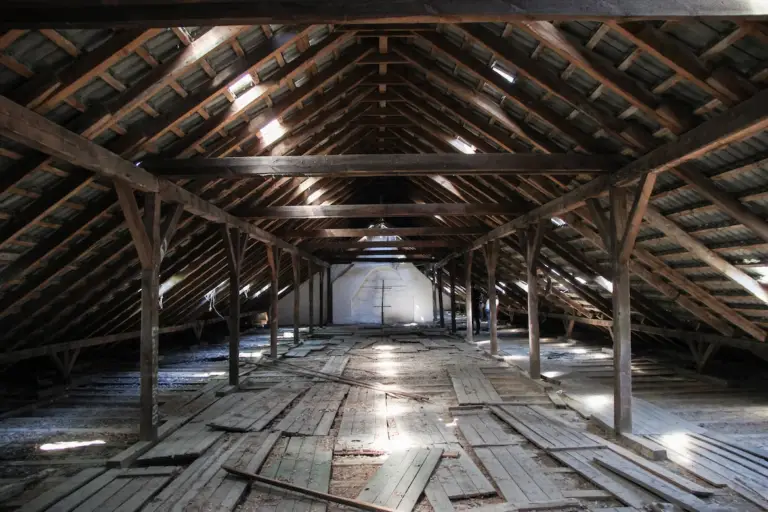
Attic Insulation: Most homes in GA have fiberglass on the floor of their attic while some others have ground up cellulose product installed on the floor. Certainly the lowers price point option for most existing homes is to blow in in fiberglass and top off the existing insulation. With blown-in fiberglass, it needs to be topped off and re-dressed about every 5 years because it settles, gets moved aside as other contractors (HVAC/electric) have to move through the attic and push it aside so that they can work. Blown-in fiberglass also gets wind-washed during large storms which will blow the fiberglass insulation off of the edges and and leaves exposed areas which affect proper insulation. For example: 2” of exposed edges along a 6’ space means that you have you now have 12 sq ft of uninsulated attic. The fiberglass insulation allows for the attic to continue its airflow/air movement, bringing air in from the soffets and the attic exhales the air through the ridge vent, gable vent, and other passive vents. Blown-in fiberglass can also be done by a homeowner who wants to take on a DIY project, but the biggest downside to fiberglass insulation is that it contributes to the stack effect, increasing the flow of air out of the attic and ultimately increasing the amount of conditioned air that moves from your home up into your attic.
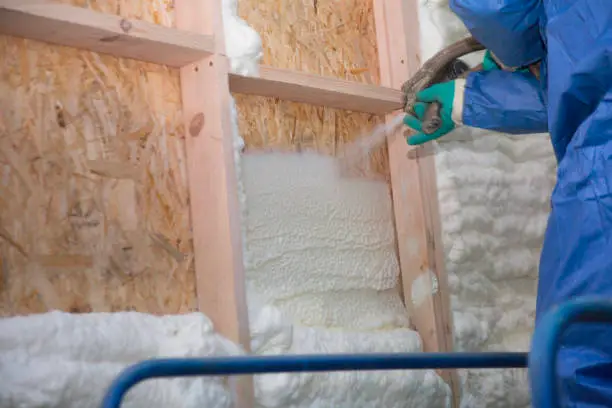
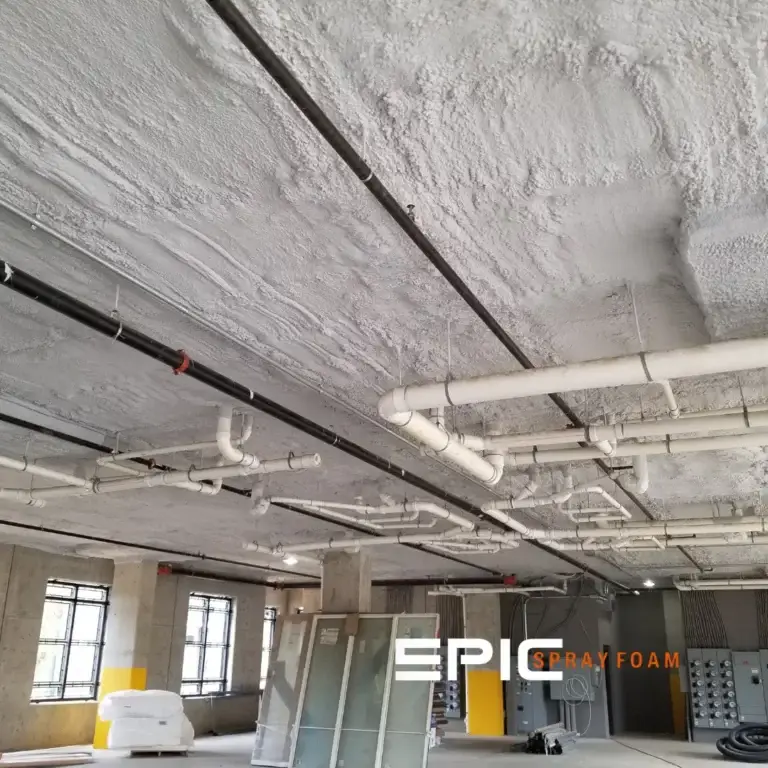
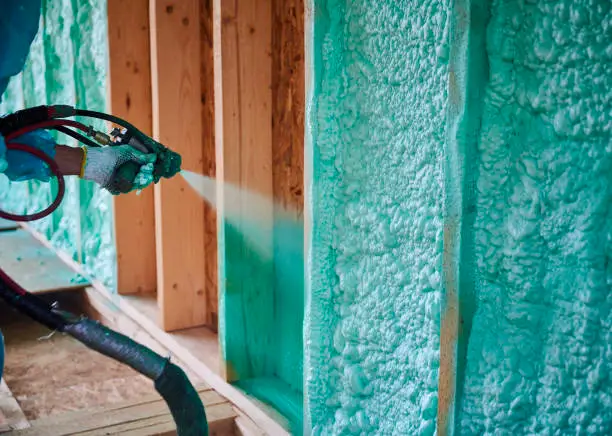
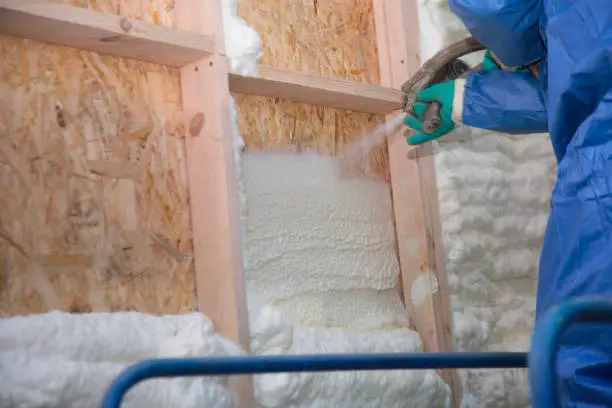
Here in the Southeast, especially in Georgia, open cell spray foam is the most appropriate and certainly on a roof deck that has traditional asphalt shingles. Installing spray foam is an upgrade to your home because the technology moves your home from a ventilated attic system to an unventilated attic system. The performance of an unventilated attic with spray foam insulation far exceeds the capabilities of a ventilated attic system with blown-in fiberglass insulation. Some of the reasons for this are that it stops the stack effect by pitting a “lid” on your home. This “lid” brings the HVAC unit on the inside of the building envelope and it significantly limits the amount of moisture that is drawn in from your home and penetrations (windows/doors). Ultimately, this change allows your HVAC unit to work more efficiently and control the relative humidity in your home much more effectively.
*Spray foam is applied to the roof deck vs the floor of the attic.
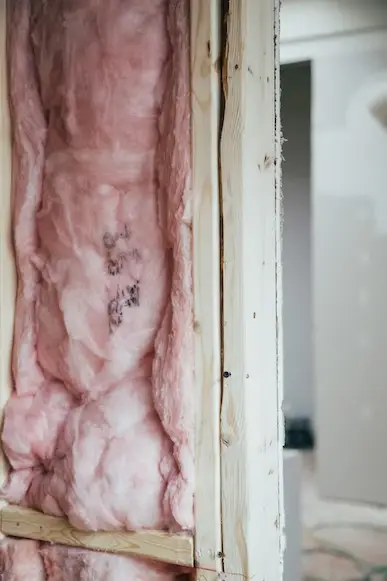
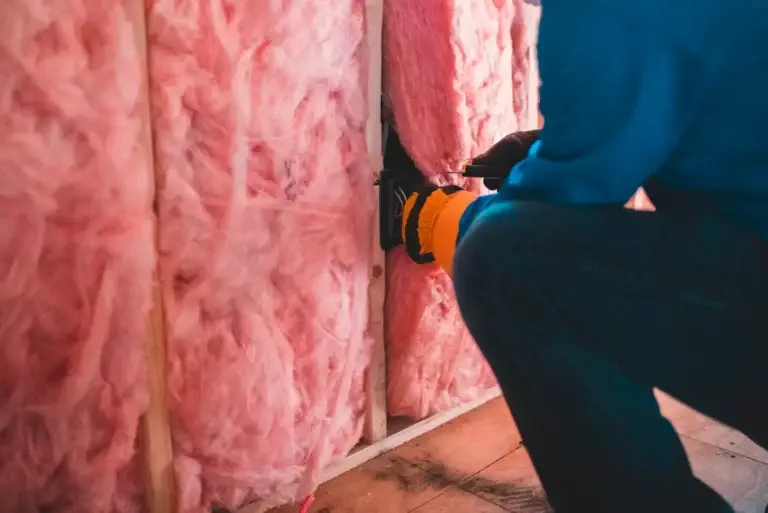
Wall Insulation: You can use traditional fiberglass batts or spray foam when insulating wall spaces. Fiberglass batts have traditionally been a money-saving option, but, due to supply constraints stemming from Covid over the last year, the price of spray foam and fiberglass have become almost equal. Spray foam insulation, which typically costs more than fiberglass options, actually ended up costing less per sq ft during some recent months. Open cell foam is most commonly used in new construction homes, but we do receive inquiries about insulating existing wall cavities with injection foam. We, at Epic Spray Foam, do have the equipment and experience to properly do the service, but do not offer it because offers a solution that is below our standards and rarely offers value to end-users and customers alike..
Crawl Space: A large percentage of the air in your home comes up from the crawl space which can impact the air quality inside of your home due to low-quality air creeping in. Proper encapsulation is a great solution to reduce the relative humidity in your crawl space while also reducing the opportunity for mold to grow. Most crawl spaces here in GA are able to be sprayed with foam insulation but there are some crawl spaces that are too shallow to do so. One of the requirements to install spray foam insulation into an existing crawl space is that there needs to be approx. 3’ distance from the ground to the floor joist because it is a high pressure system. If the ground and floor are too close then the spray foam won’t install properly. Closed cell spray foam is the most appropriate at 1” or greater to act as a moisture and vapor barrier. Kraft-faced fiberglass (with a paper vapor retarder) is also allowed by code, however the fiberglass tends to fall away over time the from the stud cavities or sub floor which then exposes large gaps in insulation coverage. Crawl spaces are typically pretty damp and dirty but animals such as cats, racoons, and mice still love to make their homes in the fiberglass insulation.
Metal Building: Metal buildings (i.e barndominiums) are becoming increasingly popular among customers as cost effective structures to put up and closed cell spray foam is the most appropriate product for such metal building applications. Often times, customers who request estimates discover that the cost to insulate a metal building with spray foam can often times add up to more than they paid for the actual building. However, you’ll still want to make sure that the building is properly insulated by a professional when the it is going to be used for more than simply everyday storage. Insulating with closed cell foam is the best option for metal structures that are being used to house classic cars, offices, or secondary living space. Additionally, closed cell foam is the best option for metal buildings because trying to install fiberglass batts and other mediums simply isn’t possible.
Basements: In daylight basements (i.e. most basements that are constructed today), there’s an OSB (oriented strand board) wood frame wall in addition to a concrete wall. The solid concrete wall will get flashed with approx. 1” of closed cell foam in order to meet the vapor barrier requirements. The wood framed walls can be insulated with either fiberglass batting or spray foam, but spray foam expands into all the crevices which helps prevent bugs creeping in and airflow from creeping out!