Does Spray Foam Need a Thermal Barrier or Fire Coating?

When adding spray foam insulation to your new construction, existing home, or pole barn, it’s important to understand what a thermal barrier is and when fire coating must be applied by the team of professionals at Epic Spray Foam.

What is a Thermal Barrier? A thermal barrier is required to cover spray foam in all applications and is what separates the spray foam insulation from occupants and the interior of a living space. It’s typical for drywall, plywood, or gypsum board to be the materials used as barriers for your room walls and ceilings. The spray foam insulation will only be visible if you were to remove a section of the wall or ceiling for repair, but you would repair it and the spray foam would have a complete thermal barrier again.

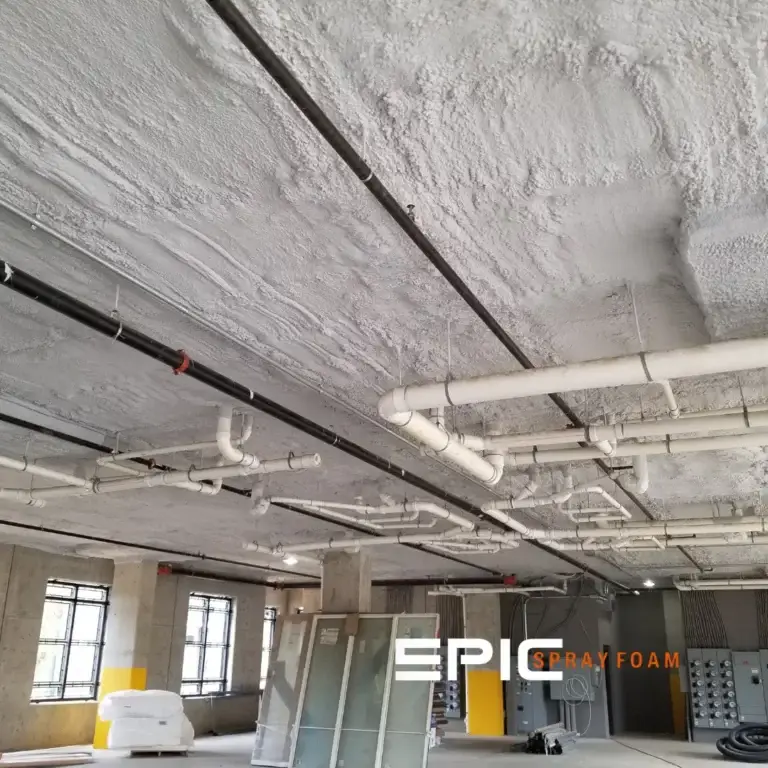
What is Fire Coating? Fire coating is a specialized paint that is applied on top of spray foam insulation when the insulation will remain exposed (as allowed by code). For example, a pole barn or metal garage building would suffice for exposed spray foam BUT would have a layer of paint applied on top of it. This type of paint is called an intumescent coating. It’s job is to act as a fire resistant and protect the material underneath should it be exposed to extreme radiant heat or a fire take place. Although fire coating is a paint, the application requires a specific preparation and sprayer due to its viscosity and thickness. The paint must also be tested and appropriately matched to the foam insulation. Epic Spray Foam has a team of certified applicators so that you can rest assure you’re getting a professional insulation application that’s also up to Georgia insulation code requirements.
Spray Foam On Garage Door

Spray Foam On Garage Door

Are you tired of dealing with a chilly garage during the winter months? Are you seeking an effective, affordable solution to keep your garage warm and cozy? Look no further than spray foam insulation for your garage door! This innovative insulation method not only keeps the cold air out, but it also helps to reduce noise pollution and prevent unwanted

Read More
Spray Foam on Existing Walls

Spray Foam on Existing Walls

Are you tired of feeling the chill in your home during winter? Or maybe you’re fed up with the high energy bills that come with trying to keep your home cool during hot summers. An effective solution is available to help with both issues: spray foam insulation on existing walls. This innovative insulation method is becoming increasingly popular among homeowners

Read More
attic insulation

How Much Insulation Do I Need In My Attic?

If you’re wondering how much insulation you need in your attic, you’re not alone. It’s an important question to ask, as the right amount of insulation can make a big difference in your home’s energy efficiency and comfort. Insulating your attic is an essential step in making your home as energy-efficient as possible. The right amount of insulation can reduce

Read More
What Is Insulation

What Is Insulation?

Insulation is a critical element of any home or business structure. It is essential to understand what insulation is and how it works to utilize it to its fullest potential. Insulation is an effective way to reduce energy costs, increase comfort levels, and protect the environment. It helps regulate temperatures, maintain safety and cleanliness, reduce noise, and conserve energy. In

Read More
Spray Foam Insulation for Your Basement

Spray Foam Insulation for Your Basement

Are you looking for a way to improve the energy efficiency of your home? Spray foam insulation for your basement might be the answer. Spray foam insulation is an effective and efficient way to help regulate the temperature in your basement and keep this space more quiet, safe, and comfortable.  With so many benefits for areas throughout a structure, it’s

Read More
image 4

Pros and Cons of Spray Foam Insulation

Spray foam insulation has been available to homeowners since1986. This product is utilized in a wide variety of new infrastructure projects because of its advantages in terms of comfort and energy savings.  Attics can be converted with a functional addition that reduces utility expenses and makes a house feel more like a home. Poor insulation can be improved, and the

Read More
sprayfoamvsblowninsulation (1)

Spray Foam vs. Blown-In Insulation​​

When it comes to home insulation, you have a lot of options. Both blown-in insulation and spray foam are terrific ways to keep your home warm in the winter and cool in the summer. Finding the right one is right for your home will depend on several factors: Depending on your answers to these questions, one type of insulation may

Read More

3 Important Safety Questions to Answer Before Starting Your Spray Foam Insulation Project 

Whether you’re considering spray foam insulation for your new construction, or you’re thinking about upgrading the insulation in an already existing building, it’s important to do your research on the front end. After all, the type of insulation you choose will impact not only your monthly energy bills and overall property resale value, but also the cleanliness, safety, and comfort

Read More

Spray Foam Insulation vs. Batt Insulation

When it comes to improving your home’s energy efficiency, you have many different options. Both spray foam insulation and batt insulation can be great ways to reduce energy costs while also keeping your home comfortable year-round. When choosing between these two insulation types, however, you’ll need to consider a variety of factors before making a final decision. This article will

Read More

Spray Foam R-Value – What You Need To Know

The performance of insulation is measured by its R-value (heat resistance). The higher the R-value, the better the insulating properties of the material. For example, materials with high R-values resist heat and keep it from transferring through a wall or ceiling. Many different types of insulation are on the market today, but one that continues to grow in popularity is

Read More