Insulation is a crucial component when it comes to keeping your home comfortable and energy-efficient. But with so many different insulation types available, choosing the best one for your needs can be overwhelming.
Each type has pros and cons, from traditional fiberglass to eco-friendly cellulose. So, what is the best insulation for your home? The answer depends on several factors, including your budget, location, and personal preferences.
In this guide, we’ll take a closer look at the most popular insulation types and help you determine which one may be the best fit for your home. Whether you’re looking to reduce your energy bills or improve your indoor air quality, understanding the differences between insulation types will help you make an informed decision to keep your home safe, clean, and cozy for years to come.
Types of Insulation
Insulation is a vital part of any home or building, helping to keep heat inside during the winter and outside during the summer.
Several types of insulation are available, each with its own pros and cons. Here are the most popular types of insulation and what you need to know about them.
Spray Foam Insulation
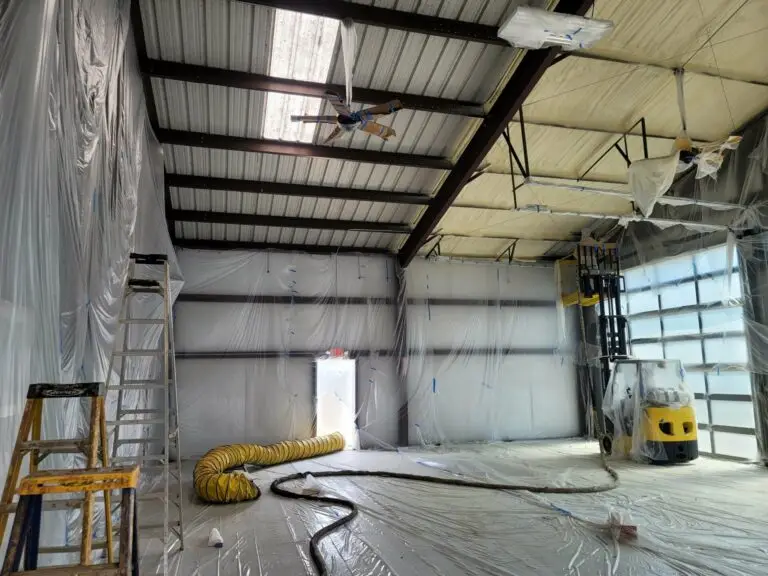
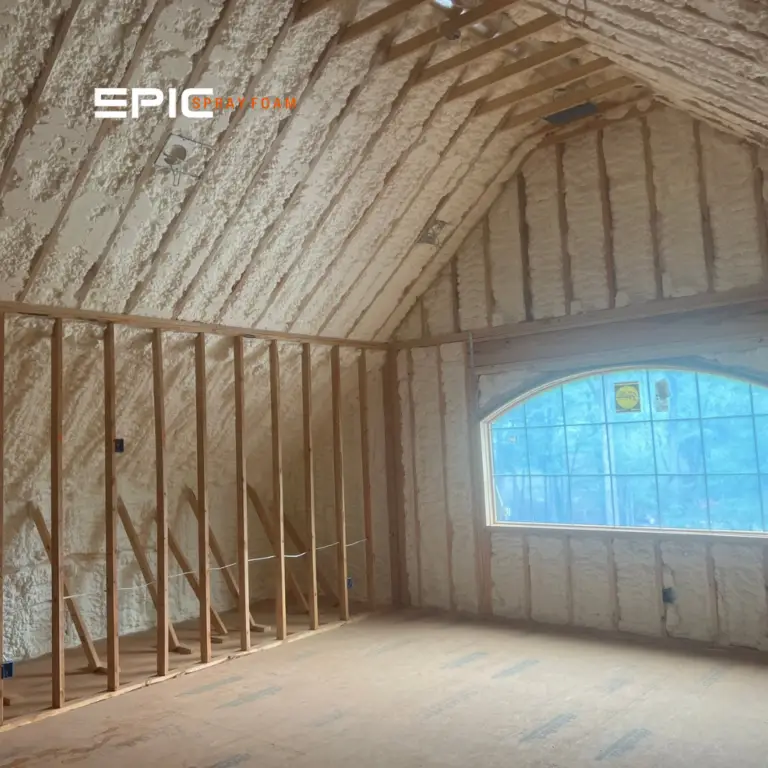
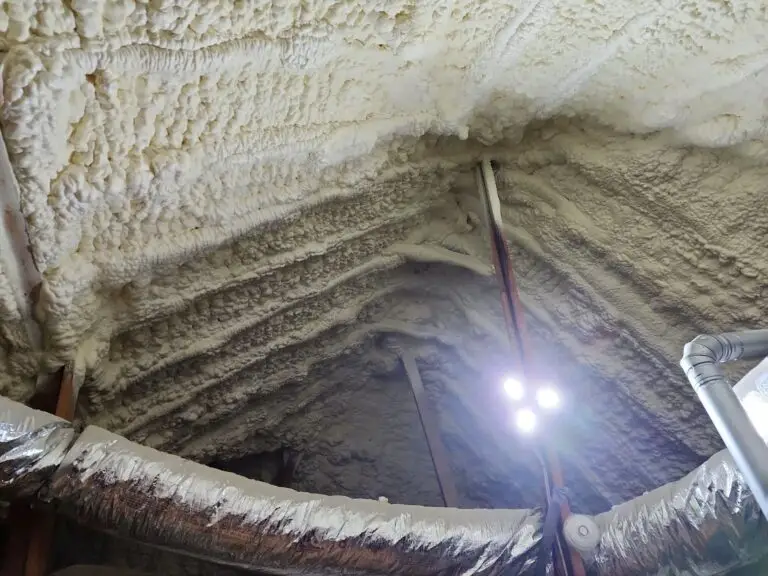
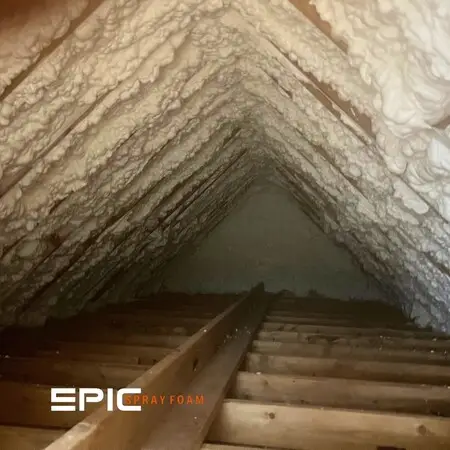
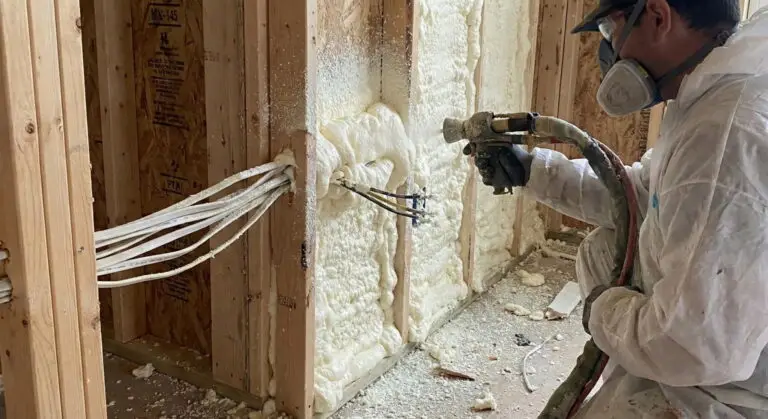
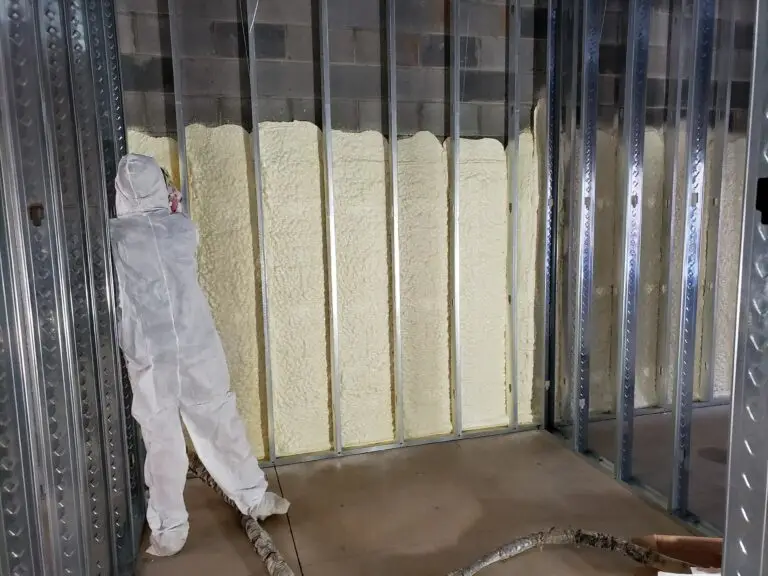
Spray foam insulation is a popular and effective option for homeowners looking to reduce their energy bills. It’s made from polyurethane foam sprayed onto surfaces, filling gaps and crevices to create a tight seal. Spray foam insulation is ideal for hard-to-reach areas and can be used in walls, attics, and crawl spaces.
This type of insulation is best known for its high R-value making its insulating effectiveness one of the best. The R-value of insulation evaluates its capacity to resist heat movement, hence the greater the R-value, the better the insulation will perform in maintaining a pleasant environment. This also aids in noise reduction and air penetration, resulting in higher indoor air quality.
If you’re ready to experience the wonders of spray foam insulation, Epic Spray Foam is a leading insulation contractor in the state of Georgia, serving the metro Atlanta areas. We are committed to the highest quality products and excellent customer service.
Cellulose Insulation
Cellulose insulation is eco-friendly from recycled newspaper, cardboard, and other paper products. It’s treated with fire retardants and insecticides to improve its resistance to fire and pests.
Cellulose insulation is blown into attics and walls, providing an effective barrier against heat loss and gain. One of the benefits of cellulose insulation is its low cost. It’s one of the most affordable insulation options, making it a popular choice for homeowners on a budget. It’s also eco-friendly, as it’s made from recycled materials.
However, cellulose insulation can be messy during installation as it can release dust and debris. It can also be a fire hazard if not appropriately treated and may settle over time, reducing its effectiveness.
Fiberglass Insulation
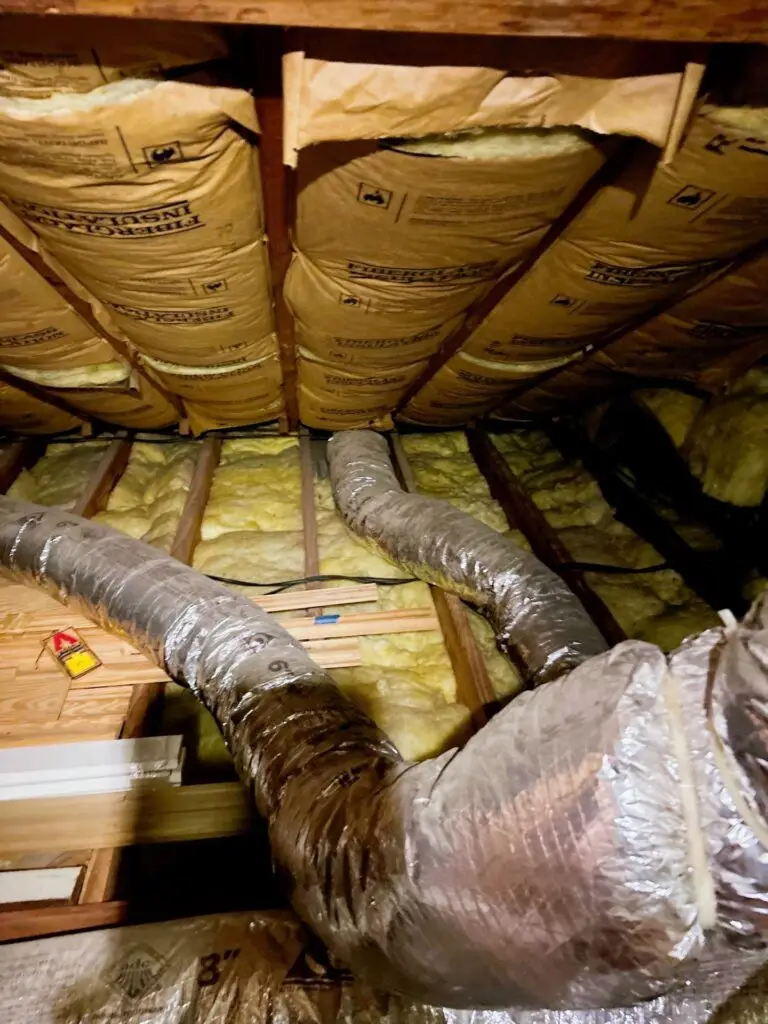
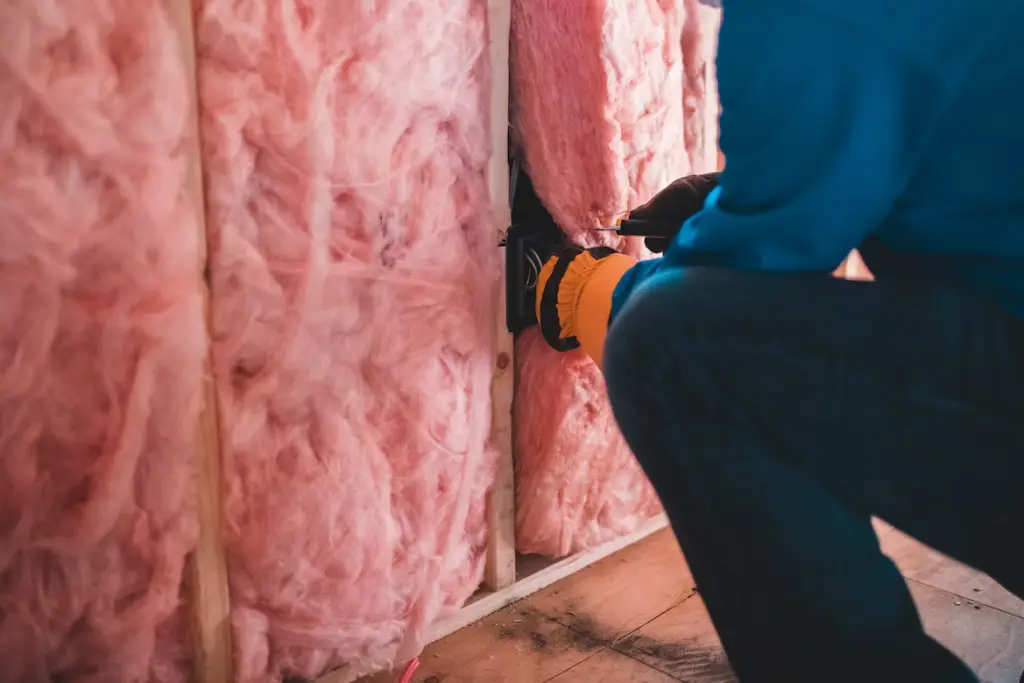
Fiberglass insulation is one of the most common types of insulation and is made from tiny glass fibers. It’s available in batts or rolls and can be used in walls, attics, and crawl spaces. It is affordable and easy to install, making it a popular option for DIYers.
One of the benefits of fiberglass insulation is its versatility. It can be used in various applications and is available in different R-values to meet insulation needs. It’s also fire-resistant and can maintain its effectiveness for years.
However, fiberglass insulation can be itchy and uncomfortable to install. This is because fiberglass can penetrate the skin and cause a rash. Fiberglass insulation also provides a poor air barrier since fiberglass is usually precut, leading to air infiltration and poor indoor air quality.
Mineral Wool Insulation
Mineral wool insulation is made from spun rock or slag and is available in batts or loose fill. It’s fire-resistant and provides excellent soundproofing, making it a popular option for commercial buildings and apartments. One of the benefits of mineral wool insulation is its ability to resist moisture and mold. It’s also eco-friendly, as it’s made from natural materials.
However, mineral wool insulation can be costly, and finding a contractor specializing in its installation may be challenging. It’s also heavy and can be challenging to install in tight spaces.
Reflective Insulation
Reflective insulation is made from a layer of aluminum foil designed to reflect heat away from the home. It’s available in rolls or sheets and can be used in walls, attics, and crawl spaces.
This kind of insulation has an excellent ability to reduce radiant heat transfer. It’s also lightweight and easy to install, making it a popular option for people who want to do the job independently.
On the other hand, reflective insulation isn’t effective in cold climates, as it needs to be combined with other types of insulation to prevent heat loss inside the house.
Factors to Consider When Choosing An Insulation
When choosing insulation for your home, there are several factors to consider. Here are the most important ones to keep in mind:
Environmental Considerations
Most homeowners are concerned about the environmental effect of the construction materials used in their houses. This includes prioritizing picking items that are energy-efficient, sustainably sourced, decrease waste, and won’t pollute the environment. House insulation choices influence all of these factors.
R-value
Insulation reduces your energy expenses by offering an efficient means of controlling your interior environment. The R-value, in particular, evaluates the resistance of heat passage and is a significant indication of good-quality insulation. The greater the R-Value, the cheaper your energy expenses will be.
Flammability
Certain insulations are more combustible than others. Therefore, choosing the right insulation is one of the best decisions you will ever make for your home. Consider an insulation type that is Class A rated for flame spread and smoke development.
Energy Efficiency
Well-constructed insulation systems reduce heat loss, save energy by limiting heat storage, maintain optimum process temperatures, help transfer heat, and safely contain process atmospheres such as flammable or toxic gases, vapors, or liquids. This can result in significant energy and cost savings for businesses and homeowners.
Air Quality
Maintaining healthy indoor air quality levels is an important part of environmentally responsible commercial and residential building design and restoration. Proper insulation can make a massive difference in your home’s living conditions and your business’s safe environment.
Why Spray Foam Insulation is the Superior Choice
Regarding energy efficiency, spray foam insulation is the best option. Its high R-value provides excellent insulation against heat loss and gain.
It also creates a tight seal, reducing air infiltration and improving indoor air quality. While it can require a bigger initial financial investment than other insulation types, it can lead to significant energy savings over time.
Spray foam insulation doesn’t require frequent updating and ongoing maintenance. It’s made to last throughout the lifespan of your structure or approximately 80-100 years. It does not lose its shape or ability to resist air and moisture over time, as many common insulation materials do, saving you time, money, and frustration for years to come.
The Epic Spray Foam Difference!
Spray foam insulation is the most effective, energy-efficient insulation available to homeowners today. Epic Spray Foam offers you the opportunity to enjoy the comfort and efficiency of a spray foam-insulated home. We offer a wide range of services to meet your home’s insulation needs.
Epic Spray Foam is committed to providing you with the highest quality of service and materials. We use only the most advanced equipment and materials to ensure your home is adequately insulated. When you choose Epic Spray Foam for your home insulation needs, you can feel the difference with our precision, punctuality, and commitment to excellence. Start protecting your home from energy loss and enjoy more savings!
Contact us today to learn more about how Epic Spray Foam can help you get the most out of your home insulation.